Hey there! If you’re here, chances are you’re either curious about endoscopies or thinking about getting one. Well, you’re in the right place. I’m part of an endoscopes supplier team, and I’ve seen firsthand how important these little gadgets are in the medical world. So, let’s dive into the big question: How often should I have an endoscopy? Endoscopes
What’s an Endoscopy Anyway?
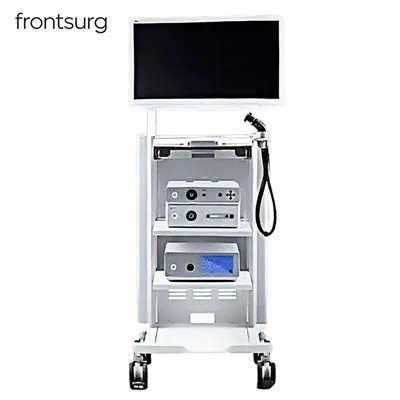
Before we talk about how often you should get one, let’s quickly go over what an endoscopy is. An endoscopy is a medical procedure where a doctor uses an endoscope (a long, thin tube with a light and camera at the end) to look inside your body. It can be used to check out different parts like your esophagus, stomach, intestines, and even your lungs.
Endoscopes are super handy because they let doctors see what’s going on inside without having to do major surgery. They can spot things like ulcers, tumors, inflammation, and other problems. And not only that, but they can also be used to take samples of tissue for further testing.
Factors That Affect How Often You Need an Endoscopy
There’s no one-size-fits-all answer to how often you should have an endoscopy. It depends on a bunch of different factors. Let’s take a look at some of the most important ones.
Your Age
As you get older, your risk of certain health problems goes up. For example, people over 50 are more likely to develop colorectal cancer. That’s why doctors often recommend a colonoscopy (a type of endoscopy) every 10 years starting at age 50 for people at average risk. But if you’re at a higher risk because of things like family history or certain health conditions, your doctor might suggest you get one sooner or more often.
Your Family History
If you have a family history of certain diseases, like stomach cancer or inflammatory bowel disease, you might need to have an endoscopy more often. That’s because you’re at a higher risk of developing these conditions yourself. Your doctor will take your family history into account when deciding how often you should get screened.
Your Medical History
If you’ve had certain health problems in the past, like ulcers or polyps, your doctor might want to keep an eye on you with regular endoscopies. For example, if you’ve had a polyp removed from your colon, you might need to have a follow-up colonoscopy in a few years to make sure it doesn’t come back.
Your Lifestyle
Your lifestyle can also play a role in how often you need an endoscopy. If you smoke, drink a lot of alcohol, or have a diet that’s high in processed foods and low in fiber, you’re at a higher risk of developing certain health problems. Your doctor might recommend more frequent endoscopies to catch any problems early.
Your Symptoms
If you’re having symptoms like abdominal pain, bloating, diarrhea, or blood in your stool, your doctor might order an endoscopy right away. These symptoms could be a sign of a serious health problem, and an endoscopy can help figure out what’s going on.
Common Types of Endoscopies and How Often They’re Recommended
Now that we’ve talked about the factors that affect how often you need an endoscopy, let’s take a look at some of the most common types of endoscopies and how often they’re typically recommended.
Upper Endoscopy
An upper endoscopy is used to look at the inside of your esophagus, stomach, and the first part of your small intestine. It’s often used to diagnose problems like ulcers, acid reflux, and stomach cancer.
If you have symptoms like heartburn, difficulty swallowing, or abdominal pain, your doctor might order an upper endoscopy. If the results are normal and your symptoms go away, you might not need another one for a while. But if you have a history of ulcers or other problems, your doctor might recommend follow-up endoscopies every few years.
Colonoscopy
A colonoscopy is used to look at the inside of your colon and rectum. It’s the most common way to screen for colorectal cancer.
As I mentioned earlier, if you’re at average risk of colorectal cancer, your doctor will probably recommend a colonoscopy every 10 years starting at age 50. But if you’re at a higher risk, you might need one more often. For example, if you have a family history of colorectal cancer, your doctor might recommend starting screening at a younger age and having colonoscopies more frequently.
Bronchoscopy
A bronchoscopy is used to look at the inside of your lungs and airways. It’s often used to diagnose problems like lung cancer, infections, and inflammation.
If you have symptoms like coughing, shortness of breath, or chest pain, your doctor might order a bronchoscopy. If the results are normal and your symptoms go away, you might not need another one for a while. But if you have a history of lung problems, your doctor might recommend follow-up bronchoscopies every few years.
The Importance of Regular Endoscopies
Getting regular endoscopies can be really important for your health. They can help catch problems early, when they’re easier to treat. For example, if a polyp is found during a colonoscopy, it can usually be removed right away, which can prevent it from turning into cancer.
Endoscopies can also help monitor the progress of certain diseases. If you have a chronic condition like inflammatory bowel disease, your doctor might use endoscopies to see how well your treatment is working and to make any necessary adjustments.
Our Endoscopes: High – Quality and Reliable
As an endoscopes supplier, we’re really proud of the products we offer. Our endoscopes are made with the latest technology and are designed to provide clear, detailed images. They’re also easy to use and maintain, which makes them a great choice for medical professionals.
Whether it’s an upper endoscope for looking at the digestive system or a bronchoscope for examining the lungs, we’ve got you covered. Our team is always on hand to provide support and answer any questions you might have about our products.
Wrapping It Up

So, how often should you have an endoscopy? It really depends on your individual situation. Your age, family history, medical history, lifestyle, and symptoms all play a role in determining the right screening schedule for you. The most important thing is to talk to your doctor and follow their recommendations.
Tissue Closure and Ligation If you’re a medical professional looking for high – quality endoscopes, we’d love to hear from you. We’re always happy to discuss your needs and see how we can help. Whether you’re setting up a new practice or looking to upgrade your existing equipment, we’ve got the products and expertise to support you. Reach out to us to start a conversation about your endoscopy needs.
References
- American Cancer Society: Guidelines for cancer screening
- Mayo Clinic: Information on endoscopic procedures
- National Institute of Diabetes and Digestive and Kidney Diseases: Digestive disease articles
Frontmed (Hangzhou) Trading Co., Ltd.
Frontmed (Hangzhou) Trading Co., Ltd. is one of the most experienced endoscopes manufacturers and suppliers in China, also supports custom service. Please rest assured to wholesale high quality endoscopes made in China here from our factory. Contact us for more details.
Address: Room 406, Building 6, No.1688 Chunjiang East Rd, Tonglu, 311500, Hangzhou
E-mail: alex@frontsurg.com
WebSite: https://www.frontsurg.com/
