Hey there! I’m a supplier of die – cut products for device – to – human body adhesion. Over the years, I’ve seen firsthand how the choice of substrate material can totally change the game for these products. So, let’s dive into what impact the substrate material has on die – cut products for device – to – human body adhesion. Die-cut Products for Device-to-Human Body Adhesion
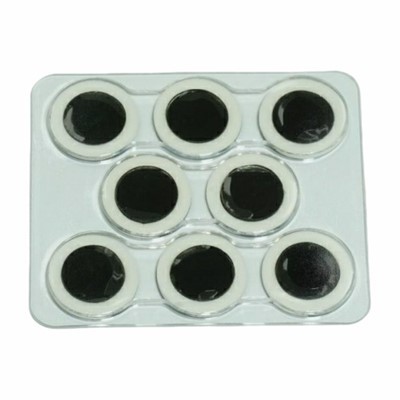
First off, what’s a substrate material? In simple terms, it’s the base material onto which other components like adhesives are applied. It’s the foundation that holds everything together in a die – cut product for sticking devices to the human body.
Comfort and Wearability
One of the biggest impacts of the substrate material is on comfort and wearability. When a device is attached to the human body, it needs to be comfortable for the user to wear for extended periods. If the substrate is too stiff or rigid, it can dig into the skin, cause irritation, and make the whole experience unpleasant.
For example, if we use a thick, inflexible plastic substrate, it won’t conform well to the curves of the body. This lack of conformity can lead to pressure points, which are not only uncomfortable but can also cause skin damage over time. On the other hand, a soft, flexible substrate like a non – woven fabric or a thin silicone film can mold to the body’s shape. This means there are fewer pressure points, and the device feels more like a natural part of the body.
Medical professionals often need devices that can be worn by patients for long periods, such as continuous glucose monitors. These devices need to be attached to the body without causing any discomfort. A substrate made from a breathable, soft material allows the skin to breathe and reduces the risk of skin irritation. This is crucial for patient compliance, as if a device is uncomfortable, patients are less likely to use it as prescribed.
Adhesion Performance
The substrate material also plays a huge role in the adhesion performance of the die – cut product. Different substrates have different surface properties, such as smoothness, porosity, and surface energy. These properties can affect how well the adhesive bonds to the substrate and, ultimately, to the human body.
A smooth substrate, like a polyester film, may have a high surface energy, which can promote good wetting of the adhesive. This means the adhesive can spread evenly across the surface, creating a strong bond. However, if the surface is too smooth, the adhesive may not have enough mechanical interlocking with the substrate, which could lead to delamination over time.
On the flip side, a porous substrate, such as a foam or a fabric, can provide mechanical interlocking for the adhesive. The adhesive can seep into the pores of the substrate, creating a stronger bond. But porous substrates can also absorb moisture from the skin, which can weaken the adhesion over time. So, it’s a bit of a balancing act.
For example, in the case of sports wearables that need to stay attached during intense physical activity, we need a substrate that can maintain good adhesion even when the user is sweating. A substrate with the right combination of surface properties can help the adhesive perform better under these challenging conditions.
Durability and Longevity
Durability is another key aspect affected by the substrate material. Devices attached to the human body are exposed to a variety of environmental and mechanical stresses. The substrate needs to be able to withstand these stresses without degrading or losing its performance.
If we use a substrate that is prone to tearing or cracking, the integrity of the die – cut product will be compromised. For instance, a low – quality paper substrate may tear easily when the device is bent or stretched. This can lead to the adhesive being exposed, which can then cause it to lose its stickiness or pick up dirt and debris.
On the contrary, a high – quality substrate like a polyurethane film is more resistant to tearing, stretching, and abrasion. It can withstand the normal wear and tear associated with daily use, ensuring that the device stays attached to the body for a longer period. This is especially important for devices that are used in harsh environments, such as military or industrial applications.
Compatibility with Devices and Skin
The substrate material must be compatible with both the device it’s attaching and the human skin. Some substrates may react chemically with the components of the device, causing corrosion or other forms of damage. For example, if a substrate contains chemicals that are reactive with the metal parts of a device, it can lead to the degradation of the device over time.
In terms of skin compatibility, the substrate should not cause any allergic reactions or adverse effects. Certain materials, like some synthetic rubbers, may contain allergens that can cause skin rashes or irritation. Using hypoallergenic substrates, such as medical – grade silicone or cotton – based non – wovens, can minimize the risk of skin problems.
Cost and Availability
Let’s not forget about cost and availability. The substrate material can have a significant impact on the overall cost of the die – cut product. Some high – performance materials, like specialty polymers, can be quite expensive. This can make the final product less competitive in the market.
Conversely, more common materials like paper or basic plastic films are usually more affordable. However, they may not offer the same level of performance as the more expensive options. As a supplier, we need to find a balance between cost and performance to meet our customers’ needs.
Availability is also an important factor. If a particular substrate is in short supply or has long lead times for production, it can disrupt our manufacturing process. This can lead to delays in delivering the products to our customers.
Making the Right Choice
As a supplier, we work closely with our customers to understand their specific requirements. We consider factors such as the intended use of the device, the duration of wear, the environmental conditions, and, of course, the budget.
For example, if a customer is looking for a disposable device that will only be worn for a short period, we might recommend a more cost – effective substrate like a paper or a basic plastic film. On the other hand, if the device is for long – term use in a medical setting, we’d suggest a high – quality, skin – friendly, and durable substrate like medical – grade silicone.
Let’s Talk

If you’re in the market for die – cut products for device – to – human body adhesion, I’d love to chat with you! We have a wide range of substrate materials available and can work with you to create the perfect product for your needs. Whether you’re developing a new device or looking to improve an existing one, we have the expertise to help you make the right choices.
Medical Adhesive So, don’t hesitate to reach out and start a conversation about your procurement needs. I’m here to answer any questions you may have and guide you through the process.
References
- Jones, R. (2020). "Materials for Medical Device Adhesion." Journal of Medical Materials Science.
- Smith, A. (2019). "Comfort and Durability in Wearable Devices." Wearable Technology Today.
- Brown, C. (2018). "Substrate Selection for Adhesive Applications." Adhesives and Bonding Magazine.
Shenzhen Omori Biological Technology Co., Ltd.
We’re well-known as one of the leading die-cut products for device-to-human body adhesion manufacturers and suppliers in China. We warmly welcome you to wholesale high quality die-cut products for device-to-human body adhesion made in China here from our factory. If you have any enquiry about customized service, please feel free to email us.
Address: Floor4, No43, Langkou Industrial park, Dalang Street, Longhua District, Shenzhen City, Guangdong Province, China
E-mail: wya@omorimed.com
WebSite: https://www.omorimed.com/
