In the dynamic world of manufacturing, zinc die casting has long been a cornerstone for producing high – quality, intricate parts. As a dedicated zinc die castings supplier, I’ve witnessed firsthand the remarkable new developments in zinc die casting materials that are reshaping the industry. These advancements not only enhance the performance of zinc die cast products but also open up new possibilities for various applications. Zinc Die Castings

1. Enhanced Alloy Compositions
One of the most significant developments in zinc die casting materials is the improvement in alloy compositions. Traditional zinc alloys have served the industry well, but modern research has led to the creation of new alloys with superior properties.
For instance, new zinc – aluminum – magnesium (Zn – Al – Mg) alloys have emerged. These alloys offer a unique combination of high strength and excellent corrosion resistance. The addition of magnesium in the right proportions refines the grain structure of the zinc alloy, resulting in increased mechanical strength. This makes them ideal for applications where parts need to withstand high stress, such as in automotive components and industrial machinery.
Another innovation is the development of zinc alloys with improved fluidity. Fluidity is a crucial property in die casting as it determines how well the molten metal can fill the intricate cavities of the die. New alloy formulations have been optimized to have lower viscosity, allowing for better filling of thin – walled sections and complex geometries. This has enabled the production of more detailed and lightweight parts, which are highly sought after in industries like electronics and consumer goods.
2. Surface Treatment Technologies
Surface treatment is an essential aspect of zinc die castings, as it not only enhances the appearance of the parts but also provides protection against corrosion and wear. Recent developments in surface treatment technologies have significantly improved the performance and durability of zinc die cast products.
One of the notable advancements is the use of advanced electroplating techniques. Traditional electroplating methods have been refined to provide more uniform and adherent coatings. For example, the development of trivalent chromium plating has replaced the more toxic hexavalent chromium plating in many applications. Trivalent chromium plating offers comparable corrosion resistance while being more environmentally friendly.
In addition to electroplating, new conversion coating technologies have emerged. These coatings, such as zinc phosphate and zinc chromate, create a protective layer on the surface of the zinc die casting. They not only improve corrosion resistance but also enhance the adhesion of subsequent paint or powder coatings. This is particularly important in applications where the parts are exposed to harsh environments, such as outdoor equipment and marine applications.
3. Recycling and Sustainability
In today’s environmentally conscious world, sustainability has become a key consideration in the manufacturing industry. Zinc die casting materials are no exception, and there have been significant developments in recycling and sustainable practices.
Zinc is one of the most recyclable metals, and the die casting industry has made great strides in improving the recycling process. New technologies have been developed to efficiently separate zinc from other metals and impurities during the recycling process. This has led to a higher quality of recycled zinc, which can be used to produce new die castings with properties comparable to those made from virgin materials.
Moreover, many zinc die casting suppliers, including ourselves, are committed to reducing the environmental impact of our operations. We are implementing energy – efficient manufacturing processes, such as using advanced melting furnaces that consume less energy. Additionally, we are working towards minimizing waste generation by optimizing the die casting process and reusing scrap materials.
4. Nanocomposite Reinforcement
The incorporation of nanocomposites into zinc die casting materials is a cutting – edge development that shows great promise. Nanocomposites are materials that contain nanoparticles, which can significantly enhance the properties of the base material.
In the case of zinc die casting, adding nanoparticles such as carbon nanotubes or ceramic nanoparticles can improve the mechanical properties of the zinc alloy. These nanoparticles act as reinforcement, increasing the strength and stiffness of the material. They also have the potential to improve the thermal conductivity of the zinc die casting, which is beneficial in applications where heat dissipation is important, such as in electronic devices.
However, the use of nanocomposites in zinc die casting also presents some challenges. The dispersion of nanoparticles in the molten zinc alloy needs to be carefully controlled to ensure uniform distribution and avoid agglomeration. Research is ongoing to develop effective methods for incorporating nanocomposites into zinc die casting materials, and the results so far are very encouraging.
5. Simulation and Modeling
Advances in simulation and modeling technologies have had a profound impact on the zinc die casting process. These technologies allow us to predict and optimize the die casting process before actual production, reducing the number of trial – and – error runs and improving the overall efficiency of the manufacturing process.
Computer – aided engineering (CAE) software can simulate the flow of molten zinc in the die, the solidification process, and the formation of defects such as porosity and shrinkage. By analyzing these simulations, we can make adjustments to the die design, the casting parameters, and the alloy composition to ensure high – quality castings.
For example, we can use simulation to determine the optimal gate location and size to ensure proper filling of the die. We can also predict the cooling rate of the casting and adjust the cooling system accordingly to prevent the formation of internal stresses and defects. This not only improves the quality of the zinc die castings but also reduces production costs and lead times.
Why Choose Our Zinc Die Castings?
As a zinc die castings supplier, we are at the forefront of these new developments. We have invested in state – of – the – art equipment and research facilities to ensure that we can offer our customers the highest quality zinc die cast products.
Our team of experienced engineers and technicians is well – versed in the latest alloy compositions, surface treatment technologies, and manufacturing processes. We can work closely with our customers to understand their specific requirements and develop customized solutions.
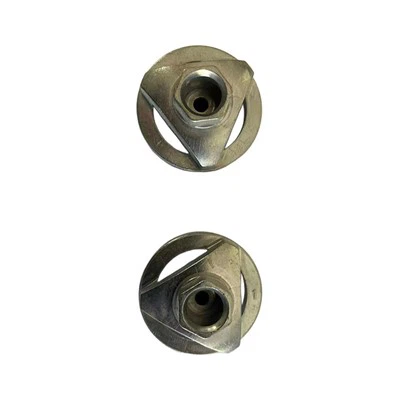
Whether you need high – strength parts for automotive applications, lightweight components for electronics, or corrosion – resistant products for outdoor use, we have the expertise and capabilities to meet your needs.
Contact Us for Procurement
Stamped Metal Parts If you are interested in our zinc die castings and would like to discuss your procurement needs, we encourage you to get in touch with us. Our sales team is ready to provide you with detailed information about our products, pricing, and lead times. We are committed to providing excellent customer service and building long – term partnerships with our clients.
References
- Campbell, J. (2003). Casting. Butterworth – Heinemann.
-ASM Handbook Committee. (2008). ASM Handbook, Volume 15: Casting. ASM International. - Flemings, M. C. (1974). Solidification Processing. McGraw – Hill.
Yuyao Aozhou Metal Products Co., Ltd.
We are one of the most experienced zinc die castings manufacturers and suppliers in China. With a professional production team, we are able to meet the needs of the majority of our customers. Please rest assured to buy customized zinc die castings made in China here from our factory.
Address: No.6, Nanbailonggang, Wuma Industrial Zone, Lubu Town, Yuyao City
E-mail: xqr-2316@163.com
WebSite: https://www.cnaozhou.com/
