In the realm of the printing and packaging industry, ensuring the longevity and aesthetic appeal of printed materials is of paramount importance. One of the key solutions that have emerged to meet these needs is the embossing thermal laminating film. As a dedicated supplier of embossing thermal laminating film, I am often asked a crucial question: "Is embossing thermal laminating film resistant to scratches?" In this blog, I aim to provide a comprehensive and scientific answer to this query, exploring the materials, processes, and factors that contribute to the scratch resistance of our product. Embossing Thermal Laminating Film
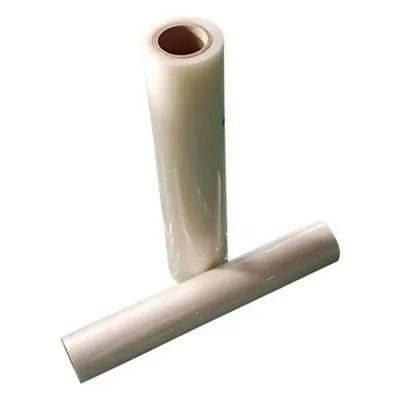
To understand the scratch resistance of embossing thermal laminating film, we first need to delve into its composition and manufacturing process. Embossing thermal laminating film typically consists of multiple layers, including a base film, an adhesive layer, and an embossed layer. The base film is usually made of high – quality polymers such as polyester (PET) or polypropylene (PP). These polymers are chosen for their excellent mechanical properties, including tensile strength and flexibility.
Polyester, for example, is known for its high modulus of elasticity, which means it can withstand a certain amount of force without deforming permanently. This inherent property of polyester contributes to the overall durability of the laminating film and plays a role in its scratch – resistant capabilities. Polypropylene, on the other hand, offers good chemical resistance and low water absorption, which can also help protect the laminated material from scratches and other forms of damage over time.
The embossed layer is another important component that affects scratch resistance. The embossing process involves creating a raised pattern on the surface of the film. This not only enhances the aesthetic appeal of the laminated material but also provides an additional layer of protection. The raised pattern can act as a buffer, absorbing the energy of a scratching object and reducing the likelihood of the scratch reaching the underlying printed material.
Moreover, the manufacturing process of embossing thermal laminating film includes strict quality control measures. We use advanced extrusion and coating technologies to ensure a uniform thickness of each layer. A consistent thickness is crucial for maintaining the integrity and scratch resistance of the film. Any irregularities in thickness could create weak points where scratches are more likely to occur.
In addition to the materials and manufacturing process, the scratch resistance of embossing thermal laminating film can also be influenced by external factors. For example, the environment in which the laminated material is used plays a significant role. In a high – traffic area where the laminated surface is likely to come into contact with rough objects, the risk of scratching is higher. However, our embossing thermal laminating film is designed to perform well in a variety of environments.
Another factor is the type of scratching object. Soft, blunt objects are less likely to cause scratches compared to sharp, hard objects. Our film has been tested against a range of scratching objects under different pressures to simulate real – world scenarios. The results have shown that it can resist scratches from everyday objects such as keys, coins, and rough fabrics to a large extent.
To further ensure the scratch resistance of our embossing thermal laminating film, we offer different levels of protection based on the specific needs of our customers. For applications where the laminated material is likely to face more severe abrasion, such as in industrial or outdoor settings, we can provide a film with a higher scratch – resistant rating. This is achieved by using special additives or thicker base films.
One of the ways we test the scratch resistance of our products is through the Taber abrasion test. This test involves rubbing the film against a rotating abrasive wheel under a specific load. By measuring the weight loss of the film after a certain number of rotations, we can quantify its abrasion resistance, which is closely related to scratch resistance. Our embossing thermal laminating film has consistently shown excellent performance in Taber abrasion tests, indicating its high – level scratch resistance.
In addition to the Taber abrasion test, we also conduct other tests such as the pencil hardness test. This test uses pencils of different hardness levels to scratch the film surface under a constant pressure. The hardness level of the pencil that can first leave a scratch on the film is recorded as its pencil hardness. Our films typically have a relatively high pencil hardness, which means they can resist scratches from moderate – hardness objects.
The scratch – resistant feature of our embossing thermal laminating film brings numerous benefits to our customers. For those in the printing industry, it ensures that their printed materials, such as brochures, business cards, and packaging boxes, maintain a pristine appearance for a longer time. This not only enhances the brand image but also increases the perceived value of the products.
In the packaging industry, scratch – resistant laminating film can protect the contents of the package from damage during transportation and storage. It also helps to preserve the visual appeal of the packaging, which is crucial for attracting consumers in a competitive market.
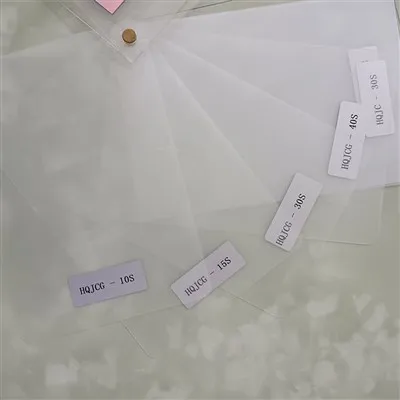
Now, I would like to encourage potential customers to reach out to me for more information about our embossing thermal laminating film. Whether you are looking for a solution to protect your printed materials from scratches or enhance the aesthetic appeal of your products, our team of experts is ready to assist you. We can provide samples for you to test the scratch resistance and other properties of our film firsthand. We understand that different projects have different requirements, and we are committed to offering customized solutions to meet your specific needs. So, if you are interested in purchasing our embossing thermal laminating film or have any questions about its scratch resistance or other features, please feel free to contact me. Let’s start a discussion and find the best laminating solution for your business.
Small Roll Laminating Film References:
- ASTM International standards on abrasion and scratch resistance testing.
- Technical literature on polymers used in laminating films.
- Industry research reports on the performance and applications of embossing thermal laminating films.
Yantai Hongqing Packing Material Co., Ltd.
Yantai Hongqing Packing Material Co., Ltd. is one of the most professional embossing thermal laminating film manufacturers and suppliers in China, also supports customized service. Welcome to wholesale advanced embossing thermal laminating film made in China here and get quotation from our factory. Quality products and reasonable price are available.
Address: Eastern Industrial Park, Taocun, Yantai, Shandong Province, China
E-mail: cindy@ythongguang.cn
WebSite: https://www.hqingnewmat.com/
