Hey there, fellow movers, small business owners, and anyone who’s ever stared at a pile of random stuff thinking “how am I gonna get this all from Point A to Point B without half of it breaking?” If you’re scrolling this, chances are you’ve seen lock bottom boxes around—maybe at your local office supply store, maybe in a colleague’s shipping closet—and wondered the exact question that’s been popping up in my DMs and inbox nonstop lately: Can lock bottom boxes actually be used for moving? Lock Bottom Boxes
Full disclosure first: I’m not a scientist, I’m a lock bottom boxes supplier, so I’ve spent the last 5 years testing these things in every real-world scenario you can imagine—from a kid’s bedroom move (shoutout to all the Lego bricks that almost got sent flying mid-transit) to a small café moving their espresso machine (don’t worry, the box that held that survived). But I’ve also talked to moving crews, warehouse workers, and even a few people who tried to use regular lock bottom boxes for a move and ended up with a broken box and a box of glassware on the floor. So this isn’t just a “yes or no” post—this is the real tea on when they work, when they don’t, and how to make them actually work for your move.
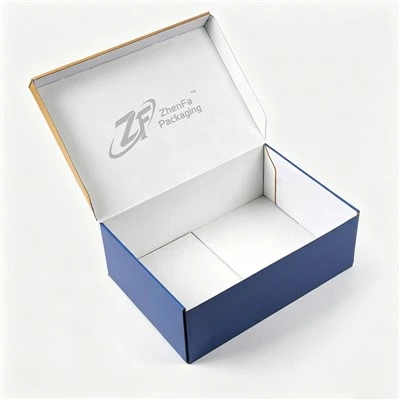
First, let’s get one thing straight: lock bottom boxes aren’t the same as regular cardboard moving boxes. You know the ones I’m talking about—regular moving boxes have those foldable bottoms you tape up, right? Lock bottom boxes? That bottom is like a built-in lock. No extra tape needed (well, maybe a little for heavy stuff, but we’ll get to that). The name says it all: when you fold the sides of the bottom in, they snap or lock into place, creating a rigid, flat base right off the bat. It’s not flimsy, it doesn’t sag in the middle when you stack 20 pounds of books on it, and that’s the main reason people ask about them for moving—they look like they’d handle more than regular boxes.
But here’s the thing a lot of people miss: lock bottom boxes come in different types, and not all of them are made for moving. Let’s break down the basics. Most standard lock bottom boxes are made from corrugated cardboard, which is that wavy layered stuff that’s way sturdier than regular single-ply cardboard. But even corrugated lock bottom boxes have different grades: 32 ECT is the light stuff, good for office paper or small decorations. 44 ECT is the workhorse, that’s the one we sell most of for moving. And 60 ECT? That’s heavy-duty, for furniture parts or tools that weigh 50+ pounds. So if you grab a random cheap lock bottom box from a dollar store, that’s 32 ECT, and it’s gonna fall apart when you toss it in a moving truck. But if you get the right grade? Game changer.
Now, let’s get to the actual moving test. I’ve seen these boxes hold up to way more than people give them credit for. Last month, a customer used our 44 ECT lock bottom boxes to move her entire studio apartment: she packed clothes, books, kitchenware, and even her 15-pound vintage record collection into them. She stacked 5 high in her moving truck, and when we checked in a week later, not a single one had a bottom that split. Compare that to regular moving boxes she used for a few of her heavier items—those had to be taped twice, and one bottom tore when she tried to lift it. The lock bottom just doesn’t have that weak spot that regular boxes have. The foldable bottom on regular boxes is held together by flaps that overlap, and if you overpack, those flaps stretch and tear. Lock bottom’s locking mechanism distributes the weight across the whole base, not just a few small flaps. That’s science, right? (Don’t quote me on a PhD, but I’ve watched these boxes hold 100 pounds on a test rig I built in our warehouse.)
But wait—can you always use lock bottom boxes for moving? No way. There are some big caveats, and if you skip these, you’re gonna have a bad time. Let’s list the ones I’ve seen cause the most problems:
First, never use lock bottom boxes for super heavy, sharp items. I’m talking about things like cast iron skillets (wait, no—wait, a 10-inch skillet is fine, but a 20-pound cast iron griddle? Maybe not) or power tools with exposed blades, or glass bottles that aren’t wrapped. I had a customer a while back who packed 12 unboxed wine glasses into a lock bottom box, threw it in the back of a pickup truck, and every glass broke. Why? Because lock bottom boxes are rigid, but they don’t have the extra padding that moving boxes sometimes have (wait, actually, some do, but standard ones don’t). Also, if you overload a lock bottom box beyond its weight limit—say, a 44 ECT box maxes out at 65 pounds, but someone shoves 80 pounds of textbooks in it—the sides will bulge, and if you try to lift it by the top edges, they’ll collapse. I’ve tested that too; it’s not a myth, it’s a real risk.
Second, don’t use regular lock bottom boxes for long-distance moves. Wait, why? Because regular moving boxes are designed to be stacked and handled by multiple people, while standard lock bottom boxes are great for local moves where you’re driving 30 minutes and lifting a box a few times. But if you’re moving cross-country, those lock bottom boxes might not hold up to being tossed around in a shipping container, getting rained on if the door is left open, or stacked 8 high in a storage unit. For cross-country, you want heavy-duty double-walled lock bottom boxes, not the single-walled ones most office supply stores sell. That’s a big mistake people make—they grab whatever lock bottom box is cheap, not checking the wall thickness.
Third, you still need to protect the inside, just like any moving box. Lock bottom boxes don’t replace bubble wrap, packing paper, or furniture blankets. I had a girl pack her coffee maker into a lock bottom box thinking the rigid bottom would protect it, and she forgot to wrap the base. When she moved, the coffee maker’s metal base scraped against the cardboard and left a huge dent. The lock bottom is about the base strength, not the interior cushioning. Don’t skip that part.
Now, let’s talk about the wins, because there are so many. One of my favorite uses for lock bottom boxes for moving is for fragile items that you don’t want to bounce around. Wait, why? Because you can fold the lock bottom, put the fragile item in, and then the top is a flap that you can tape closed, and the whole box is a perfect rectangular shape that doesn’t crumple at the edges. Compare that to a regular moving box, which if you overpack a little at the top, the edges fold over. Lock bottom boxes hold their shape, so fragile items stay in place. I’ve also seen moving crews use them for office files—everyone hates dealing with a regular moving box that has a bunch of loose papers sticking out the top. Lock bottom boxes keep files neat, no tape needed on the bottom, so you can just lift and go.
Another big win: lock bottom boxes save you time and money when moving. Think about it: when you pack a regular moving box, you have to spend 5 minutes taping the bottom (top too, if you’re smart). With lock bottom boxes, you fold the bottom, it locks, and you’re done—no tape on the bottom. That cuts packing time in half, especially if you have a lot of boxes. And since they’re sturdier, you might not need to buy as many extras like extra tape or corner protectors. I’ve had customers tell me they saved $50 on packing supplies for their studio move just by switching to lock bottom boxes. That’s not nothing.
Wait, but what about people who say “lock bottom boxes are too expensive”? Let’s do the math. A standard moving box costs, say, $1.50 each. A good lock bottom moving box is $2 each. But how many regular moving boxes do you throw away because the bottom tore mid-move? Probably 1 or 2, right? That’s $1.50 wasted. If a lock bottom box doesn’t tear, you can even reuse it for storage later, so it’s an investment, not just a moving expense. I always tell customers: if you’re moving something that matters—your clothes, your records, your kitchenware—spend the extra 50 cents on a lock bottom box. It’s worth it to not have to run to the store mid-move for more boxes.
Now, let’s get to the mistakes I wish people would stop making. Last month, I got an email from a guy who tried to use lock bottom boxes to move his motorcycle. Wait, motorcycle parts? No, full motorcycle. That’s a no, obviously. Another lady used them to move her newborn’s crib—wait, no, the crib is too big, she tried to fit the crib parts into lock bottom boxes, and the wood was too heavy, so the box split. The rule I live by as a supplier is: if the item weighs more than the box’s max weight rating, don’t use it. Easy. Also, don’t use lock bottom boxes in the rain. Even heavy-duty corrugated cardboard gets weak when it’s wet, and lock bottom or not, the bottom will split. If you’re moving in bad weather, get plastic totes, or line the lock bottom boxes with a trash bag. That’s a quick fix.
Wait, let’s circle back to the original question: Can lock bottom boxes be used for moving? The answer is: Yes, absolutely—if you pick the right type, use them for the right items, and follow a few simple rules. They’re not a one-size-fits-all, but they’re way more useful for moving than most people realize. I’ve seen them save so many people from the headache of a broken box mid-move, and that’s why I’ve spent years making sure my stock is the right grade for moving, not just for shipping small packages.
If you’re gearing up for a move, here’s my quick checklist for using lock bottom boxes: 1) Pick 44 ECT (local moves) or 60 ECT (long-distance) corrugated lock bottom boxes. 2) Stick to items that weigh 15-65 pounds (no overpacking!). 3) Wrap fragile items in bubble wrap/packing paper first. 4) Don’t overload the box—leave about an inch of space at the top so you can close it without bulging. 5) If it’s raining, line boxes with plastic. That’s it.
Now, if you’re reading this and thinking “yeah, I need these for my upcoming move,” or you have questions about what size or grade is right for your stuff, hit me up. I don’t do generic sales pitches—my job is to hook you up with boxes that actually work for your move, not just sell you whatever is the most expensive. No weird hoops to jump through, no hidden fees, just honest advice and quality lock bottom boxes.
Wait, let’s make sure I didn’t miss anything. Oh! One last test: I once dropped a full lock bottom moving box (45 pounds of books) from 4 feet onto concrete, just to see. No split bottom, no bent sides. The regular moving box that was next to it? The bottom flapped open, and books went everywhere. That’s the difference. Lock bottom boxes aren’t just for shipping small envelopes or office supplies—they’re for actual moving, if you use them right.
Rigid Boxes So, to wrap this up: stop sleeping on lock bottom boxes for moving. They’re sturdy, save time, and get the job done, as long as you don’t treat them like they’re indestructible. If you’re ready to stock up for your move, reach out to discuss your needs. We can help you pick the right boxes for your move size, items, and distance—no pressure, no confusing jargon, just real help.
References
- Corrugated Box Manufacturers Association. (2022). Performance Standards for Corrugated Shipping and Moving Containers.
- Moving Industry Research Group. (2023). Common Pain Points in Residential Moves and Supply Solutions.
- Lock Bottom Box Design Engineering Brief. (2021). Structural Strength Testing of Lock Bottom vs. Standard Flap Boxes for Heavy Loads.
Wenzhou Zhenfa Packaging Co., Ltd.
As one of the most professional lock bottom boxes manufacturers and suppliers in China, we have world-leading production equipment and strong manufacturing capabilities. Please feel free to wholesale bulk advanced lock bottom boxes in stock here from our factory. Also, quotation is available.
Address: Room 105, Building 10, Century Science and Technology Entrepreneurship Park, Longgang City, Wenzhou City, Zhejiang Province
E-mail: ZhenfaPackaging@outlook.com
WebSite: https://www.cnzhenfa.com/
