If you’ve ever wandered into a campground, a gym, or a busy office break room, you’ve probably seen them everywhere: filter bottles. As someone who’s spent the last eight years supplying these bottles, I’ve talked to thousands of people who swear by them for cutting down on plastic waste, avoiding disposable water bottles, and having clean drinking water on the go. But what I’ve learned from those conversations is that filter bottles aren’t the perfect solution they’re often made out to be. A lot of my customers don’t ask about the downsides at first—they just grab a bottle and go—so I’ve made it a point to walk them through the less obvious drawbacks before they make a purchase. If you’re considering switching to a filter bottle, here’s what I wish more people knew, straight from someone who’s in the thick of this industry every day. Filter Bottle

First, and most importantly, there’s the issue of filtration quality degradation over time. When I started out, I’ll admit I used to tell customers that a filter is a filter, as long as you replace it on schedule. But over the years, I’ve seen way too many cases where people skip a replacement, or even track the “use by” date wrong, and end up with water that’s not as clean as they think. The fact is, most portable filter bottles use activated carbon or a combination of filters to catch contaminants like lead, chlorine, bacteria, and microplastics. But that ability only holds for a set number of liters or a specific period—usually 200 to 400 liters, or three to six months, depending on the model. Once that limit is hit, the filter doesn’t just stop working; it can actually leach particles back into the water it’s supposed to clean. I once had a customer come back to me two weeks after his “filter change” alert popped up, saying his water tasted metallic. When he showed me his old filter, it was caked with sediment from a local lake—his go-to source—so it had nowhere left to catch those tiny metal particles. That’s a problem not just for his taste, but for his health too. Unlike larger, fixed water filtration systems under kitchen sinks, portable filter bottles often have less precise pressure control, so contaminants can slip through when the filter is clogged.
Then there’s the hidden cost that catches most people off guard. I can tell you right now that a good filter bottle costs between $30 and $60 upfront. That’s already more expensive than a regular reusable water bottle, which you can pick up for $10 or less. But the real expense is the replacement filters. A single filter for a mid-range bottle runs between $15 and $30, and you need to replace it every three to six months. Let’s do the math: over two years, that’s four filter replacements, adding up to $60 to $120. That means total spending could hit $180 for a bottle and filters in two years—way more than if you just bought a pack of disposable water bottles for occasional use, or invested in a whole-home filtration system if that’s an option. A lot of first-time buyers see the $40 price tag and think it’s a one-time cost, not realizing they’ll be shelling out every few months just to keep it working. I’ve had college students come to me upset a semester later, saying they couldn’t afford another filter, so their bottle sat in their dorm drawer unused. That’s a huge waste of money and a lost opportunity to cut down on plastic, which is why I always make sure to mention filter costs early on now.
Weight and bulkiness are two other downsides that people don’t consider until they’re actually carrying the bottle. For frequent hikers, runners, or commuters who are already carrying laptops, backpacks, or gym bags, the extra ounces add up. A standard stainless steel reusable bottle weighs about 14 ounces empty. A filter bottle? Add a filter housing, extra layers of filtration, and sometimes a storage compartment for the filter, and you’re looking at 18 to 22 ounces empty. That might not sound like a lot, but if you’re on a long hike, every extra ounce matters. I had a customer who did backcountry trail runs tell me he quit using his filter bottle because the extra weight made his shoulders sore after a 10-mile run. He started carrying a collapsible silicone bottle and dropping pre-filtered water from a store instead, which was lighter. Also, filter bottles are often longer and have a wider diameter than regular bottles, so they don’t fit in standard cup holders. Try pulling up to a drive-thru coffee shop and putting a 3-inch-wide filter bottle into a car’s cup holder—more often than not, it’s too big and will tip over. For commuters or people who use their bottle in cars or offices with standard cup holders, that’s a minor but frustrating hassle.
There’s also the problem of cleaning and maintenance that most people underestimate. A regular reusable water bottle is easy to wash: you can just toss it in the dishwasher, or hand-wash it with soap and water in two minutes. Filter bottles have small, intricate parts: the filter itself, the mouthpiece, the cap, and the inner housing where water flows through. If you don’t take these apart and clean them thoroughly, mold and bacteria can grow in the crevices. I’ve had customers send back bottles that smelled like mildew, because they just rinsed out the main part and left the filter housing dirty. What’s worse, some filters are not dishwasher-safe at all, so you have to hand-wash every single part, often with a small brush to get into tiny gaps. If you’re the type of person who hates doing extra chores, this can be a turn-off. I had a mom come in a few months ago saying her kids’ filter bottles had to be taken apart to clean every night, which was a battle during the busy school morning rush. She ended up switching to cheaper disposable bottles for her kids’ school lunches, which felt backward considering why she’d initially bought a filter bottle.
Then there’s the issue of water flow rate. This is a big one that a lot of people don’t test before buying. Many filter bottles work by pushing water through the filter with a little squeeze, or by sipping through the mouthpiece. But as the filter clogs over time, the flow gets slower and slower. By the end of the filter’s lifespan, you might have to suck extra hard to get water, or even squeeze the bottle multiple times to fill a glass. That’s not a problem when you’re at home, but when you’re hiking and your hands are cold, or you’re in a crowded gym and you want to chug water after a workout, it’s incredibly frustrating. I’ve heard stories of people dumping half-finished filter bottles because they couldn’t be bothered to suck hard enough, or because they were running late and didn’t have time to wait for the water to flow. Some higher-end models have better flow rates, but those are also more expensive, which brings us back to that cost issue.
Finally, there’s the environmental question that complicates things. A lot of people buy filter bottles to reduce plastic waste, and that’s a great goal. But what happens when the filter reaches the end of its life? Most filter cartridges are made of a mix of plastic, activated carbon, and sometimes other synthetic materials, and very few curbside recycling programs accept them. You can’t just toss them in your blue bin. That means most old filters end up in landfills, where they can take decades to break down, or in the trash, contributing to the same plastic pollution people are trying to avoid. I once heard from a recycling expert that only about 2% of filter cartridges are properly recycled each year. So if you’re buying a filter bottle to cut down on disposable plastic, but you’re adding hundreds of filter cartridges to landfills every year, is that really the win you thought it was? I always tell customers to look for brands that offer a filter take-back program—we actually have a program where we send you a prepaid label to send back old filters, and we recycle them properly—but not all suppliers do that, so it’s something to research before you buy.
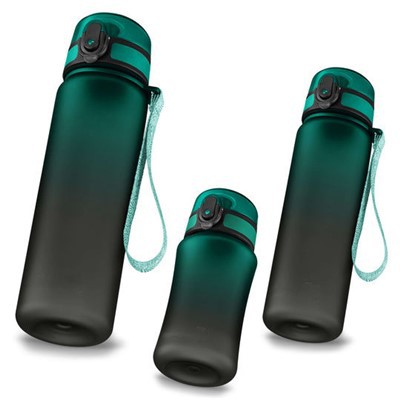
Now, before you decide that filter bottles are all bad, let me be clear: they do have their place. For people who travel to areas with questionable tap water, or who hike and need to filter water from streams or lakes, they’re a lifesaver. But they’re not the one-size-fits-all solution that marketing makes them out to be. As someone who’s been in this business for years, I’ve seen too many people buy a filter bottle, fall for the downsides, and give up on the whole reusable bottle idea. That’s why I’m always honest with customers about these drawbacks, instead of just pushing sales.
Water Bottle If you’re in the market for a filter bottle and want to learn more about how to choose one that works for your needs, or if you have questions about filter lifespan, maintenance, or our take-back program, I’d be happy to chat. Whether you’re a hiker, a commuter, or a parent looking for a safer way to give your kids water, understanding the downsides first will help you make a decision that works for you. When you’re ready to discuss your requirements for a filter bottle or replacement filters, feel free to reach out to our team to connect for a consultation.
References
- Centers for Disease Control and Prevention. (2022). Water Filtration for Household and Recreational Use. Retrieved from relevant public health resources on drinking water safety.
- Environmental Protection Agency. (2021). Reducing Plastic Waste: Reusable Products and Challenges. Retrieved from EPA’s solid waste and materials management resources.
- World Health Organization. (2020). Potable Water for Household Use: Filtration Technologies and Performance. Retrieved from WHO’s drinking water quality guidelines.
- National Sanitation Foundation. (2023). Portable Water Filter Performance Ratings and Limitations. Retrieved from NSF International’s product testing and certification databases.
Polywell International
Polywell International is one of the most professional filter bottle manufacturers and suppliers in China, featured by quality products and good price. Please rest assured to buy advanced filter bottle made in China here and get quotation from our factory. Customized orders are welcome.
Address: Building 3, Chengzhou Industrial Zone, No.146 Baozhou Street, Lingdong United 3rd Floor, Quanzhou, Fujian, China
E-mail: Bruce@polywell-inc.com
WebSite: https://www.cndrinkware.com/
