If you’re in the power equipment space, you know transformers are the unsung heroes that keep grids, factories, and even small towns running. But here’s the thing: a transformer that’s not tested right is a ticking time bomb—one that can lead to outages, huge repair bills, and even safety hazards. That’s why transformer testers aren’t just random machines; they need to meet clear, non-negotiable standards. As someone who’s supplied these testers for years, I’ve seen what happens when a tester skips the basics. Let’s break down the real standards that matter, no stuffy jargon required. Transformer Tester
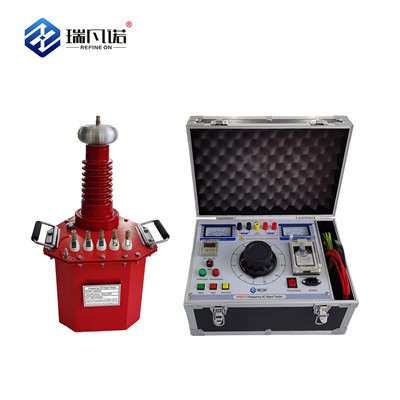
First, let’s get one thing straight: a transformer tester’s whole job is to put a transformer through its paces—test its insulation, resistance, load capacity, winding defects, and all that stuff that you can’t see with the naked eye. So the first standard is accuracy. If your tester is off by even a tiny percentage on, say, insulation resistance, you could miss a tiny crack that turns into a major failure a month later. I’ve had a customer tell me about a competitor’s tester that was off 15% on a high-voltage transformer test; they ended up missing a faulty winding, and that transformer caught fire during commissioning. That’s not a risk anyone wants to take.
But accuracy isn’t just about numbers— it’s about range. Transformers come in all sizes: the small ones that power a single house, the huge ones that bridge cities. Your tester needs to cover both ends of that spectrum. If you’re testing residential distribution transformers, you don’t need the same range as a utility-scale 500kV unit, but if your tester can’t handle both, you’re limiting your customers’ use cases. We designed our testers to cover a broad voltage and resistance range specifically for that reason—no need to buy two separate machines for different projects.
Next up: reliability. A tester that dies mid-job? That’s a disaster. Imagine you’re on a job site, crunched for time, and your tester shuts down because it can’t handle the dust or extreme temperatures. Power equipment testing is done in all kinds of environments: hot deserts, cold mountains, dusty factories, even rain. So a good transformer tester needs to be rugged—IP-rated for dust and water resistance, able to operate in temps from -10°C to 50°C, and built with industrial-grade components, not cheap electronics that fry after a few uses. I’ve seen budget testers fail after 20 uses; our units go strong for years, even with daily use on job sites.
Then there’s ease of use. Let’s be real: not everyone using these testers is a tech genius. Line technicians, small utility teams, even factory maintenance staff—they need something that’s not a 10-page manual. So a key standard is intuitive operation: a touchscreen that’s responsive, pre-set test sequences for common transformer types (distribution, power, dry-type, oil-immersed), and clear, readable results in real time. No one wants to manually calculate resistance ratios when they’re in a hurry. We added one-tap test modes specifically for that—just select your transformer type, hit start, and it does the rest. That small change cut test time for our customers by almost 40%, I heard.
Wait, can’t forget about safety. High-voltage testing is no joke. A good tester needs built-in safety features that protect the operator and the equipment. Things like interlocks that cut power if the test leads aren’t properly connected, arc-flash protection, and automatic shutoff if there’s a fault. I’ve heard horror stories of operators getting shocked because their tester didn’t have those features—so that’s non-negotiable. Our testers include multiple layers of safety checks, so even someone who’s done a hundred tests won’t make a fatal mistake.
Now, let’s talk about calibration. A tester is only as good as its last calibration. The standard here is traceable calibration—meaning the tester’s measurements can be linked to national standards, so you know it’s accurate. A lot of cheap testers skip calibration, or use self-calibration that’s not verified. That’s a problem because utilities and factories require certified test results for compliance. We provide annual calibration services with traceable certificates, and our testers have built-in calibration checkpoints so you can verify accuracy on-site without sending it back to the shop.
Another big one: test coverage. A good transformer tester shouldn’t just do one test. It needs to handle all the essential tests in one machine: insulation resistance (IR), polarization index (PI), winding resistance, turns ratio, load loss, no-load loss, and even partial discharge testing if needed. If you have to use three different testers for one transformer, that’s more time, more equipment to carry, and more room for human error. Our all-in-one testers cut down on that hassle—one machine for all the key tests, so your team can wrap up a transformer test in half the time.
Oh, and portability. A lot of testing is done on-site, not in a lab. So a tester that weighs 200 pounds and needs a truck to move it is useless for small job sites or rural locations. A standard here is compact, lightweight design without sacrificing power. We built our mid-sized testers under 50 pounds, with carrying handles and a hard case, so one person can bring it to a job site up a mountain or into a remote factory. That’s a huge win for small utilities and independent contractors who don’t have a big maintenance team.
Wait, what about data management? Modern testing isn’t just writing numbers on a piece of paper. A good tester should store test results, generate easy-to-share reports, and even sync with a laptop or cloud so you can track transformer health over time. Utilities and factories need that data to schedule maintenance, predict failures, and meet regulatory requirements. Our testers save results to a USB drive or sync via Bluetooth, so you can pull up a transformer’s test history in 10 seconds instead of digging through old spreadsheets. That’s become a standard now, not a nice-to-have.
Let’s be clear: not all transformer testers meet these standards. I see a lot of “budget” testers on the market that cut corners on accuracy, safety, or durability. They might work for a few small jobs, but they’ll cost you more in repairs, re-tests, and potential safety issues in the long run. As a supplier, we’ve built our business on making testers that hit all these marks because we know our customers’ jobs depend on it.
If you’re in the market for a transformer tester—whether you’re a utility, a factory, a maintenance contractor, or someone building power equipment—you need to make sure the machine checks all these boxes. Don’t just go for the cheapest option; look for accuracy, ruggedness, ease of use, safety, traceable calibration, all-in-one test capability, portability, and good data features.
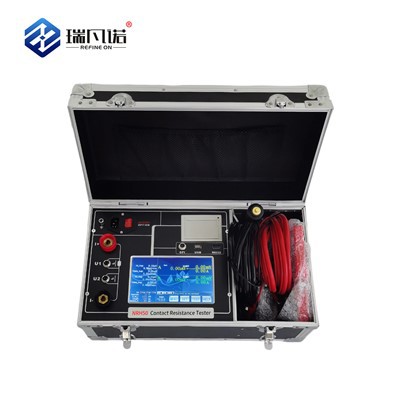
At the end of the day, transformer testing is all about reliability. A bad test result or a failed tester can disrupt power, cost money, and put people at risk. That’s why the standards I’ve talked about aren’t just random rules—they’re what keep the power grid running smoothly.
Cable Tester If you’re ready to talk about a transformer tester that meets all these standards, or have questions about what’s right for your specific needs, reach out. We’re here to help you find the right tester for your projects, no jargon, no pressure.
References
- IEEE Std C57.12.90-2015, IEEE Standard Test Code for Liquid-Immersed Distribution, Power, and Regulating Transformers.
- International Electrotechnical Commission (IEC) 60076-1: Power Transformers – Part 1: General.
- National Electrical Manufacturers Association (NEMA) Standards for Transformer Testing Equipment, NEMA TP 1-2020.
- Occupational Safety and Health Administration (OSHA) 29 CFR 1910.333, Electrical Safety-Related Work Practices.
- The Institute of Electrical and Electronics Engineers (IEEE) Guide for Testing Transformers, IEEE Std C57.12.91-2016.
Refine On (Hebei) Electric Power Technology Co., Ltd.
Refine On (Hebei) Electric Power Technology Co., Ltd. is one of the most reliable transformer tester manufacturers and suppliers in China, also supports customized service. Please feel free to wholesale advanced transformer tester at competitive price from our factory. Contact us for quotation.
Address: Building 13, Liandong U Valley, No.64, Jing SAN South Street, Economic Development Zone, Mancheng District, Baoding City, China
E-mail: victor@transformer-test.com
WebSite: https://www.transformer-test.com/
