If you’ve ever stood beside a heavy-duty diesel high pressure water pump (HWP) as we do every day, you know that this isn’t just a piece of metal and fuel lines—it’s the workhorse powering construction site dust suppression, municipal pipeline flushing, industrial parts cleaning, and agricultural irrigation across North America. Over 12 years of selling, servicing, and troubleshooting these pumps, we’ve seen firsthand what happens when a user cuts corners on shut-down procedures: burnt piston rings, seized bearings, cracked cylinder heads, or even a full pump failure in the middle of a critical job that costs thousands in downtime and lost revenue. That’s why today we’re pulling back the curtain on the proper way to shut down a diesel HWP—not just for routine stops, but for seasonal layups, emergency stops, and everything in between. Diesel High Pressure Water Pump

First, let’s get one key distinction out of the way immediately: emergency shut-downs are for literal life-or-death or equipment-crisis moments only. Pressing that big red button because you forgot to grab your lunch or are wrapping up a 10-minute job is a fast track to shortening your pump’s lifespan. We’ve had customers bring in a pump that shut down abruptly mid-cycle because they hit the button to run inside to make a call, and the internal temperature spiked so fast that the intake valve seized shut, requiring a $2,000 repair. Emergency shut-down should only be used if you see a runaway diesel pump, a fuel line rupture spraying near hot exhaust, a hydraulic leak, or a worker being caught in moving parts. For every other shut-down scenario—daily routine, end-of-shift, seasonal storage, or scheduled maintenance—you need a step-by-step process designed to protect both the diesel engine and the high pressure pump end.
Let’s break this process down step by step, in the order we teach every new customer during their onboarding training (we don’t just sell pumps—we send a technician to walk your team through operation and maintenance because we know bad procedure starts at the first wrong button press).
Step one: Gradually reduce load over 3 to 5 minutes before you think about shutting anything off. This is the most skipped step, and the most damaging. A diesel engine under high pressure works hard to compress fuel and air, and if you yank the throttle from full load to idle in two seconds, you leave hot, unburned fuel and excess pressure trapped in the cylinders, exhaust manifold, and pump end. For example, if you’re using your pump to flush 10,000 PSI lines on a pipeline project, don’t just twist the throttle all the way closed. Instead, gradually dial the pressure down by adjusting your spray gun or pressure regulator until you’re running at 20 to 30 percent of your maximum working pressure. This allows the engine and pump components to cool evenly, rather than hitting a sudden drop in demand that leaves internal parts under thermal stress. We recommend setting a timer for 5 minutes during this phase if you’re new to it—your pump will thank you.
Step two: Let the engine idle for 2 to 3 minutes once you’ve reduced load. Idling does two critical things: it circulates cool engine oil through all moving parts that have taken on heat during operation, and it brings the exhaust system’s temperature down to a safe level. If you’re preparing to store your pump for winter, extend this idle time to 5 minutes to make sure no residual heat lingers in the block or exhaust. During this idle phase, never rev the engine up and down aggressively—this adds unnecessary stress and doesn’t help cool things down. Also, keep an eye on your pressure gauge during this time: it should steadily drop from your working pressure to near zero, which means you’re not trapping any built-up pressure in the pump lines when you shut off the engine.
Step three: Turn off the engine. Most people reach for the key, but here’s a pro tip we only share with long-term customers: if your pump has a manual fuel shutoff valve (and every industrial diesel HWP should), use that instead of just turning the key. The key turns off the electrical system instantly, but the fuel line can hold a small amount of residual fuel that can seep into the cylinders over time, leading to corrosion or a hard start next time. Closing the manual fuel valve starves the engine of fuel slowly, leading to a clean, gradual shutdown rather than a abrupt electrical cutoff. If you don’t have a manual fuel valve on your model, turn the key to the off position and wait 10 seconds before disconnecting any power sources (this gives the engine control module time to reset properly).
Step four: Relieve all residual pressure from the pump and lines. This is another step that causes way more damage than you’d think. A high pressure water pump that shuts down with 8,000 PSI trapped in the hoses or pump end is like a loaded gun waiting for a mistake. Before you do anything else after shutting off the engine, open the spray gun or the pressure relief valve (most pumps have a dedicated one) to release all built-up pressure. If you’re storing the pump for an extended period, disconnect the hoses so no water is trapped inside them, which can freeze in winter and crack the hose or pump housing.
Step five: Post-shut-down checks to protect your investment. We always tell customers that a proper shut-down doesn’t end when the engine stops. Take 2 minutes after everything is off to: wipe down the pump to remove any dirt, chemical residue, or water that can cause rust or corrosion; check the engine oil level (if it’s low, top it off now while the engine is still slightly warm, and schedule a full oil and filter change every 200 hours); and cover the pump with a heavy-duty weatherproof cover if it’s stored outdoors. Even if you’re just shutting down for the night in a garage, covering it keeps dust and debris out of the air intake and exhaust.
Now, what about special cases, because not all shut-downs are routine. First, seasonal layup for winter: if you’re not going to use your pump for more than 30 days, skip the last step of just relieving pressure—you need to properly winterize it. After shutting down per our routine steps, drain all water from the pump, lines, and engine block (we have a special winterization fluid we recommend for our customers that prevents freezing up to -40°F), and run the pump for 2 minutes with the fluid to coat all internal moving parts. This prevents rust that can turn a 100-hour pump into a $5,000 paperweight over the off-season.
Another special case: emergency shut-downs (the only time to use that red button). If you have to hit it abruptly, don’t leave it there. After shutting off in an emergency, let the pump cool for at least an hour before touching anything, and then inspect it: check for fuel leaks, oil leaks, damaged hoses, or any sign of seized parts. We had a customer who hit the emergency button when a hose ruptured mid-job, and didn’t check the pump for a week—by then the pump’s seal had seized shut because of residual pressure and heat, requiring a full seal replacement. Don’t make that mistake.
We’ve had too many customers come to us saying “my pump only lasted two years and it’s not our fault” when the real fault was a sloppy shut-down. Diesel high pressure water pumps are engineered to run hard, but they only last 5 to 7 years of heavy use if you treat them right—cutting corners on shut-down is the number one cause of premature failure we see in our service shop.
If you’re in the market for a new diesel high pressure water pump, or your current one is acting up because of bad shut-down habits, we’re here to help. We don’t just sell equipment—we provide hands-on training, 24/7 service, and customized maintenance plans to make sure your pump runs at peak performance for years. Whether you’re a construction contractor needing a pump for dust suppression, a municipal crew needing a flushing pump, or an agricultural operation needing irrigation equipment, we can match you to the right model for your job.
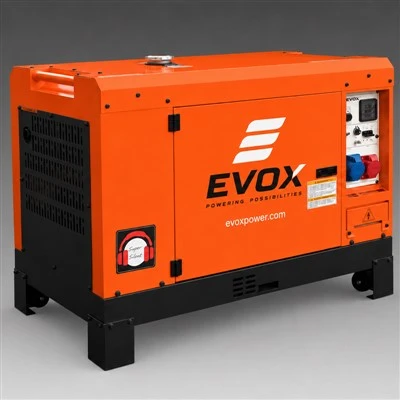
If you’re ready to talk about your pump needs, reach out to our team to start a conversation about the right equipment and support for your operations.
Gasoline Water Pump References:
- Diesel Engine Maintenance for Industrial Equipment, National Institute for Occupational Safety and Health, 2021
- High Pressure Pump Operation and Maintenance Guidelines, Hydraulic Institute, 2022
- Winterization Best Practices for Diesel-Powered Industrial Equipment, EquipmentWatch, 2023
- Recommended Shutdown Procedures for Heavy-Duty Pumps, American Water Works Association, 2021
Evoxpower Technology
Evoxpower Technology is one of the most professional diesel high pressure water pump manufacturers and suppliers in China, featured by quality products and good service. Please rest assured to buy the newest diesel high pressure water pump in stock here and get pricelist from our factory. Contact us for customized service and OEM service.
Address: 11 Fortune Avenue, Yubei District, Chongqing, China
E-mail: stephen@allrightpower.com
WebSite: https://www.evoxpower.com/
