If you’ve ever stood in a grocery store, holding a crumpled, single-use plastic bag that’s already torn at the handle, or folded a canvas reusable bag into your purse for the tenth time that week, you’ve probably wondered how these staple items of sustainable living are made. As a supplier of bag making machines, I get this question all the time: Can a bag making machine make reusable bags? The short answer is yes, but it’s not as simple as running off your average produce bag or checkout sack. There’s a lot that goes into turning a machine from a tool for disposable plastics into one that produces durable, reusable bags—something I’ve learned firsthand over the 12 years I’ve worked in this industry. Bag Making Machine
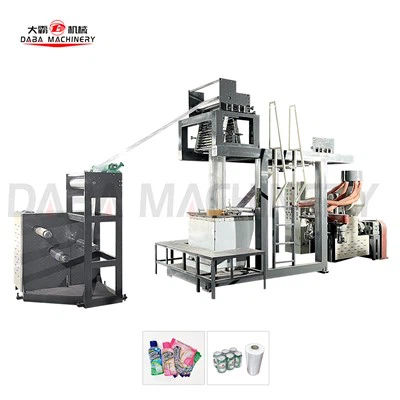
Let’s start with the basics. When people hear “bag making machine,” they usually picture the one at your local supermarket that cranks out thin, flimsy plastic bags in seconds. That’s a high-speed, low-cost machine built for single-use items, designed to prioritize speed over durability. Reusable bags, though, are a whole different product. They need to hold more weight, stand up to weekly trips to the store, survive being stuffed in a car trunk or tossed around in a backpack, and be washable without falling apart. So the machine that makes them has to be built to match those needs.
Over the years, I’ve seen a lot of customers come to my company confused about this. They think if a machine makes any kind of bag, it can make reusable ones. But I always walk them through the key differences, because skipping that step leads to wasted time, money, and subpar products that won’t last. Let’s break down what a reusable bag-specific bag making machine does differently. First, the material it works with. Single-use bag machines use resin pellets that are melted and extruded into thin, flexible film—usually polyethylene, which is cheap but tears easily. Reusable bags, though, are most often made from woven polypropylene (PP) fabric, non-woven polypropylene, canvas, or even recycled cotton. Woven PP is by far the most common for commercial reusable bags because it’s lightweight, durable, and cheaper than cotton. To work with woven fabric, a bag making machine needs specialized tension control. Woven fabric has threads that can shift if the machine pulls too hard, so the machine has to adjust its pressure constantly to keep the fabric aligned, straight, and free of wrinkles. That’s not something standard single-use machines have—they’re built for smooth, uniform plastic film, not interwoven threads.
Next, the features that make a reusable bag reusable. A standard single-use bag is sealed with a simple heat weld along the bottom and sides—enough to hold a few pounds of groceries for one trip, but not much more. Reusable bags need stronger seams, because they have to hold 10, 20, even 30 pounds of groceries week after week. So the bag making machine for reusable bags has to have reinforced stitching or, at minimum, thicker heat seals with overlapping layers of fabric. Some higher-end machines can even add extra layers at the stress points—the bottom corners, where handles attach, to prevent ripping. And let’s not forget handles. Standard plastic bags have handles integrated right into the top of the film, made from the same thin material. Reusable bags need sturdy handles that don’t break after a month of use. Many bag making machines for reusable bags can cut and attach handles automatically, either by sewing them on separately or welding them to the bag fabric. Some can even add custom printing on the bags—branding for a business, fun designs for a local market, or care instructions so people know how to wash them—all in one continuous process. That cuts down on extra steps a manufacturer would have to do manually, which saves time and reduces costs.
I’ll give you an example of a recent project that drove this home. A few months back, a small boutique in Portland, Oregon, came to us because they wanted to start selling branded reusable bags for their customers instead of offering plastic ones. They had a small budget, so they were tempted to buy a used single-use plastic bag machine, thinking it would work. When we tested a sample of the woven PP fabric they wanted to use on one of our standard single-use machines, it tore mid-process. The tension was wrong, the heat seal was too weak to hold the fabric’s weight, and the machine couldn’t attach handles without bunching the fabric. We ended up selling them a mid-range reusable bag making machine, custom-set up for woven PP, and trained their team on how to adjust the settings for different fabric weights. Six months later, they sent us photos of their bags—customers are leaving reviews saying they hold up through busy holiday shopping trips, and the boutique has expanded to selling their bags at three local farmers’ markets. That’s the kind of result you can’t get with a generic machine.
Of course, not all reusable bags are made the same, and different machines serve different needs. Some manufacturers make small, foldable reusable tote bags, others make larger grocery bags, and some even make cooler bags with insulated liners. Each of these needs a machine tailored to that specific product. For example, non-woven polypropylene bags (often called “non-woven reusable bags”) are a popular alternative to plastic, cheaper than woven PP, and still durable enough for a few uses. A machine that makes these works with thinner, non-woven fabric, with adjustable cutting blades that can make the bag’s shape without fraying the edges. Canvas reusable bags, while less common for high-volume production, require a machine that can handle thicker cotton fabric, with stronger sewing heads and slower cycle speeds than woven PP machines. High-volume manufacturers that produce hundreds of thousands of reusable bags a month will invest in a fully automated machine that runs 24/7, with in-line printing, handle attachment, and quality checks built in. Smaller businesses or nonprofits that make bags for community events might opt for a semi-automated machine, which is cheaper and easier to operate with a small team.
One of the biggest trends we’ve seen in recent years is the rise of recycled materials for reusable bags, and our machines have had to adapt to that too. More and more brands are using 100% recycled woven PP, made from post-consumer plastic bottles, to make their reusable bags. Recycled woven fabric is a little more variable than virgin fabric—it can have slight inconsistencies in thickness or thread strength. So our machines have built-in sensors that detect these variations and adjust tension and heat settings on the fly, to make sure every bag is consistent and meets quality standards. That’s a key feature that separates modern reusable bag machines from older models. If your machine can’t handle recycled materials, you’re limiting your customers’ ability to make sustainable products—something that’s becoming a top priority for brands and consumers alike.
I want to be clear, though—buying a bag making machine isn’t the only factor here. A good machine will produce high-quality reusable bags, but you also need to know how to set it up, adjust settings for different fabrics, and maintain it. That’s why my company doesn’t just sell machines—we offer training, ongoing support, and guidance on choosing the right materials for your needs. I’ve seen too many businesses buy a cheap machine that’s not designed for reusable bags, then blame the machine when the bags are low quality. It’s a partnership, not just a sale.
Let’s circle back to that original question: Can a bag making machine make reusable bags? The answer is a resounding yes, but only if it’s the right kind of bag making machine. For too long, people have written off reusable bags as just another bag, but they’re a critical part of the shift away from single-use plastics, and the machines that make them are specialized tools built for durability, functionality, and scalability. If you’re a brand looking to launch a line of reusable bags, or a business that’s tired of relying on disposable plastics, investing in the right reusable bag making machine is one of the most important decisions you can make.

We’ve helped hundreds of customers across different industries—grocery chains, small retailers, event organizers, even school districts—transition to making their own reusable bags, cutting their plastic waste and building customer loyalty in the process. The demand for reusable bags isn’t going away; if anything, it’s growing as more cities and states ban or tax single-use plastics. The right bag making machine lets you meet that demand affordably and at scale.
Economic CI Flexographic Printing Machine If you’re ready to learn more about what a reusable bag making machine can do for your business, or if you have questions about which machine is right for your production needs, our team is here to help. We’ve worked with everything from small startups to large-scale manufacturers, and we can walk you through the options, from semi-automated models perfect for small runs to high-volume fully automated machines for mass production. Don’t waste time and money on a machine that’s not built for reusable bags—let us help you find the solution that fits your goals.
References
- Ellen MacArthur Foundation. (2022). The New Plastics Economy: Rethinking the Future of Plastics.
- Sustainable Packaging Coalition. (2023). Reusable Bags: Material Performance and End-of-Life Assessment.
- American Society for Testing and Materials. (2021). Standard Specification for Reusable Flexible Shopping Bags.
- Woven Polypropylene Fabric Association. (2022). Technical Guidelines for Manufacturing Reusable Bags.
- Global Plastic Action Partnership. (2023). Market Trends in Reusable Packaging and Bag Production.
Wenzhou Daba Machinery Co., Ltd.
With abundant experience, we are one of the most professional bag making machine manufacturers and suppliers in China. We warmly welcome you to wholesale advanced bag making machine at competitive price from our factory. If you have any enquiry about cooperation, please feel free to email us.
Address: Qianbu Industrial Zone, Xincheng Street, Ruian City, Wenzhou, China.
E-mail: info1@dabamachinery.com
WebSite: https://www.dabaflexpack.com/
