Hey everyone, let’s cut to the chase – if you’re in manufacturing, pharma, food and beverage, or even specialty chemical production, you’ve probably heard the term “chemical reactor” thrown around. But what is it actually, and why does it matter so much? As someone who’s been working with reactor design and supply for over a decade (and yeah, I run the spot where you can grab the right gear for your line), I get that most folks just want the no-BS version without the jargon overload. Let’s break this down. Chemical Reactor
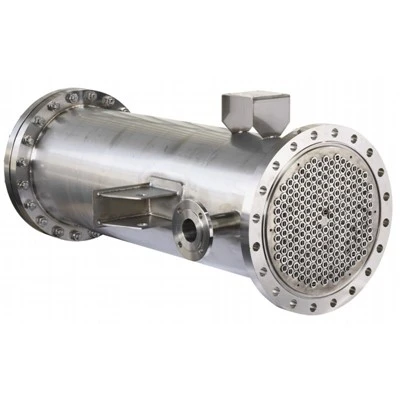
First off, a chemical reactor is basically the core piece of equipment that makes your product go from raw materials to the final stuff you sell. Think of it like a super controlled, specialized mixing pot, but way more precise. Here’s the kicker: you can’t just dump ingredients into a regular pot and heat them to get consistent results. That’s where reactors earn their keep – they’re built to manage all the variables that turn random mixes into a stable, high-yield product. No two reactors are exactly the same, though, which is why picking the right one is make-or-break for your process.
Now, how do these things actually work? Let’s go through the key basics without the textbook fluff. Every reactor has a few non-negotiable parts first: a vessel (the main tank that holds your materials), a way to control temperature, a mixing system (unless you’re doing a super quiet, unmixed batch), and some way to keep pressure stable if you’re working with gases or reactive stuff. There are two main types people usually deal with, too – batch and continuous. I’ll explain both because this is where most people get confused.
Batch reactors are the ones you probably picture first: you load in all your raw materials at the start, let the reaction happen over a set period, then empty out the finished product. They’re perfect for low-volume, high-specialty stuff – like a new pharmaceutical drug, a small-batch food additive, or specialty chemicals. The nice thing here is you can tweak every single run. If your last batch had a yield that was 2% lower than you wanted, you can adjust the mix ratio, bump the temp a little, or change the mixing speed for the next one. I’ve worked with a lot of craft pharma teams who swear by batch reactors because they don’t have to commit to a huge, fixed production line when they’re testing a new formula.
Continuous reactors, on the other hand, are for when you need to pump out high volume, 24/7. Instead of loading all materials at once, you feed raw materials in one end of the reactor nonstop, and the finished product comes out the other end. It’s like an assembly line for chemicals. These are super common in big fertilizer plants, oil refineries, or mass-produced food ingredients. The downside? They’re way less flexible. If your formula changes even a tiny bit, you might have to shut the whole line down for hours to re-calibrate. But when you’re cranking out millions of gallons a year, the efficiency gain totally makes it worth it.
Wait, I should mention a few other common reactor types too, because not every process fits neatly into batch vs continuous. Stirred-tank reactors (STRs) are the workhorses – they’ve got that mixing system I mentioned earlier, and they’re used for everything from fermentation to polymerization. Then there’s plug-flow reactors (PFRs), which are long, narrow tubes where materials flow through without mixing much – great for gas-phase reactions where mixing would mess up the consistency. For really delicate reactions, you might use a continuous stirred-tank reactor (CSTR), which blends the best of both: constant flow with gentle mixing.
Now, let’s talk about the critical bits that make a reactor work well, because if these are off, you’re looking at wasted materials, bad product, or even safety issues. First, temperature control. Most reactions only happen at a specific temperature – too cold, and nothing happens; too hot, and your materials might break down or react in a way you don’t want. Reactors use jackets around the vessel (think a water or oil bath around the tank) or internal coils to heat or cool exactly as needed. I’ve seen companies skip proper temperature control and end up throwing away 10% of every batch – that’s money down the drain, right there.
Next, mixing. If your materials aren’t spread evenly, some parts of the reactor will be too hot and others too cold, leading to inconsistent product. The impeller (the spinning part inside) moves materials around, and the size and speed of the impeller depends on what you’re making. For thick, syrupy stuff like polymer mixes, you need a slower, stronger impeller; for thin liquids like fermentation broths, a faster, lighter one works better.
Pressure is another big one. Reactions that involve gases (like hydrogenation or ammonia production) need pressure to keep the gas dissolved in the liquid raw material. If pressure drops, the reaction stops. Reactors are built to hold specific pressure ranges, so you don’t have to worry about leaks or blowouts – modern ones have built-in safety valves that release excess pressure before it becomes a problem.
Yield is the name of the game here, too. Yield is basically how much of your raw materials turn into the product you want. A good reactor will have a yield of 90% or higher – that means less waste, lower costs. A bad reactor might be 60% yield, which might seem fine until you calculate how much extra raw material you’re buying and throwing away every month. As a reactor supplier, I tell every customer that getting the right reactor for your yield is way cheaper in the long run than cutting corners on the initial cost.
Wait, let’s throw in a real quick example to make this tangible. Last year, I worked with a small craft bakery that was trying to make a specialty oil for their premium pastries. They were using a regular industrial pot to heat and mix the oil, but their batches were inconsistent – some were too thick, some had off-flavors, and they were only getting 70% yield. We swapped in a small batch stirred-tank reactor with precise temperature control and a variable speed impeller. The first batch after that had a 92% yield, consistent texture, and they cut their production time per batch by 2 hours. That’s the difference a good reactor makes – it’s not just a machine, it’s a tool that directly impacts your bottom line.
Now, common mistakes I see companies make when picking a reactor. First, buying the biggest one they think they might need, instead of the one that fits their current production. If you’re only making 1,000 gallons a month, a 5,000-gallon reactor is going to waste energy and cost way more to run. Second, ignoring safety features. A lot of budget reactors skip redundant pressure valves or temperature sensors, which is a huge risk – I’ve heard horror stories of small fires from overpressurized reactors that could’ve been prevented. Third, not factoring in maintenance. Some reactors are cheap upfront but need expensive parts replaced every 6 months, while a slightly pricier model has parts that last 5 years. That total cost of ownership is way more important than the initial price tag.
As someone who’s in this day in and day out, I know how overwhelming it can be when you’re looking for a reactor. There are so many options, specs, and jargon to sift through. That’s why I’m here – I don’t just sell a tank and a mixer. I work with you to figure out exactly what your process needs: what’s your product, what’s your production volume, what’s your budget, what safety rules do you have to follow? Whether you’re a small startup testing a new formula, a mid-sized company scaling production, or a big manufacturer upgrading your line, I’ve got reactors that fit every need.
If you’re tired of inconsistent batches, wasting raw materials, or dealing with a reactor that can’t keep up with your growth, let’s chat. We can go over your process, answer all your dumb questions (no judgment – I ask the same ones when I work on new projects), and find the right reactor for you. No hard sells, no hidden fees, just straight talk about what’ll work for your business.
I get it, you’re busy running your operation – you don’t have time to read 50-page manuals on reactor design. That’s why I make it a point to keep our conversations simple, focused on your goals, not just pushing product. Too many suppliers act like all reactors are the same, and that’s just not true. A reactor that works for pharmaceutical fermentation isn’t going to work for making chocolate syrup, and vice versa.

So, if you’re ready to upgrade your process, fix those yield issues, or just get a reactor that actually does what you need it to, reach out and let’s start a conversation. No pressure, just honest advice.
Fired Heater References
- Fogler, H. S. (2020). Elements of Chemical Reaction Engineering. Pearson Education.
- Smith, J. M. (2018). Chemical Engineering Design: Principles, Practice and Economics of Plant and Process Design. Butterworth-Heinemann.
- Sinnott, R. K. (2019). Coulson & Richardson’s Chemical Engineering, Volume 2: Chemical Engineering Design. Elsevier.
- Levenspiel, O. (1999). Chemical Reaction Engineering (3rd ed.). John Wiley & Sons.
Zibo Gyro Industry Engineering
As one of the most professional chemical reactor manufacturers and suppliers in China, we have world-leading production equipment and strong manufacturing capabilities. Please feel free to wholesale advanced chemical reactor at competitive price from our factory. Customized orders are welcome.
Address: Jinling San Village, East of Qilu Chemical Industrial Park, Linzi District, Zibo City, Shandong Province
E-mail: vwang5871@gmail.com
WebSite: https://www.gyro-epcunit.com/
