If you’ve ever grabbed a box of heavy-duty kitchen cleaner from the shelf, chances are you’ve glanced at “synthetic alkali powder” as a key ingredient—and maybe even wondered if it’s actually safe to use on your countertops, stovetops, or other food-prep surfaces. As a supplier of synthetic alkali powder for over 12 years, I’ve fielded this question countless times, both from home bakers testing new cleaning routines and small café managers reviewing their sanitation protocols. It’s not a black-and-white answer, and it’s one that relies on understanding what synthetic alkali powder is, how it works, and how to use it responsibly in a kitchen setting. Let’s break this down. Synthetic Alkali Powder
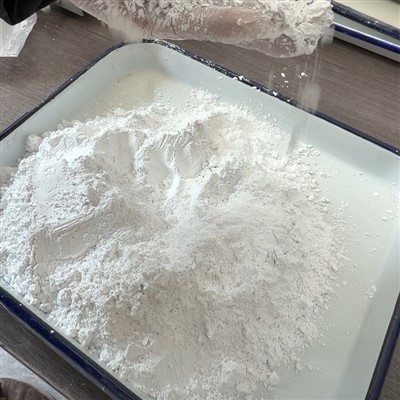
First, let’s define what we’re talking about, because “synthetic alkali powder” is a broad term that often gets lumped in with harsher industrial chemicals. Unlike natural alkalis (like lye derived from wood ash), synthetic alkali powder is a man-made compound designed to mimic the cleaning power of alkalis but with more consistent, predictable properties. The most common type used in kitchen cleaners is sodium hydroxide, sometimes called caustic soda, or sodium carbonate (washing soda)—both of which are synthetic, processed for commercial and residential use. This powder’s superpower comes from its pH level: it’s highly alkaline, often with a pH of 12 or higher, which breaks down grease, caked-on food residue, and even protein-based stains like burnt cheese or egg that regular dish soap can’t cut through.
Now, the core question: safety for kitchen surfaces. The short answer is that when used correctly, it is safe. The catch is that safety depends entirely on three things: the surface you’re cleaning, how you dilute the powder, and the precautions you take during and after use. Let’s start with surfaces. Not all kitchen surfaces are created equal, and synthetic alkali powder can damage certain materials if misused. For example, porous surfaces like unsealed granite, marble, or limestone are sensitive to high pH levels—exposing them to undiluted alkali powder can etch the stone, leaving dull spots or permanent discoloration. On the flip side, sealed granite, quartz, stainless steel, tile, and even most non-stovetop non-stick surfaces are highly resistant to mild alkali solutions, making synthetic alkali powder ideal for tough, caked-on grime on these materials. I regularly work with restaurant owners who rely on our powder to clean their stainless steel fryers and tile backsplashes because it’s tough enough to remove years of built-up grease without damaging the surfaces.
Next, dilution is non-negotiable. Many people assume a little more cleaner means a better clean, but with synthetic alkali powder, that’s a mistake. Undiluted powder or a solution mixed too strongly can leave residue on surfaces that isn’t just a nuisance—it can pose a risk if it comes into contact with food, and it can also harm the surface over time. The standard guideline for kitchen use is to mix 1 to 2 tablespoons of synthetic alkali powder per gallon of warm water. This creates a mild alkaline solution with a pH of around 10, which is gentle enough for most surfaces but still effective at cutting grease. I’ve seen too many cases where a cleaner used a half-cup of powder in a small bucket of water, ended up with a too-strong solution that left a chalky residue on their countertops, and even had a minor skin reaction when their bare hands touched the undiluted powder. That’s why we always emphasize following the dilution ratio—this is the single biggest factor in making synthetic alkali powder safe for home and commercial kitchens.
Then there are the precautions for handling, which apply to any strong cleaning product, but are especially important with alkali powders. First, never mix synthetic alkali powder with other cleaners, especially acidic ones like vinegar or lemon juice. The reaction between a strong alkali and an acid can create toxic fumes, and in some cases, a violent exothermic reaction that can burn or splash. I can’t tell you how many times a customer has told me they tried cleaning their stovetop, used a synthetic alkali powder, and then followed up with a vinegar cleaner, only to have a weird fizzing and a burning smell. That’s a reaction you want to avoid at all costs. Second, always wear gloves and, if you’re working on a large area, eye protection. The powder can irritate skin and eyes, so even if you’re just mixing a small batch, a pair of rubber gloves is a cheap, easy precaution. Third, make sure you rinse surfaces thoroughly after use. Any remaining alkaline residue can leave a bitter taste on food, and over time, if left on porous surfaces, can break down seals. For this reason, we recommend using synthetic alkali powder on surfaces that won’t come into direct contact with food unless you rinse them very well, or test a small, inconspicuous area first.
Of course, there are common myths that circulate about synthetic alkali powder’s safety, and it’s important to address those to set the record straight. One myth is that all synthetic alkalis are the same as industrial-grade lye. The synthetic alkali powder we supply is formulated for residential and commercial kitchen use, with lower impurities and a consistent particle size that makes it safer to handle than the high-strength lye used in drain cleaners or industrial manufacturing. We also process it to be free of any harsh additives that might be harmful if ingested in small amounts—something that’s a key focus for us as a supplier. Another myth is that it’s unsafe around kids and pets. If stored properly (in a cool, dry place, out of reach of small hands and paws) and used as directed, it’s no more dangerous than bleach or other common kitchen cleaners. I’ve had customers with young children tell me they still use our powder because it’s more effective than mild dish soap for removing baked-on messes, as long as they lock it away when not in use.
Another point to consider is the environmental aspect, which ties into safety for your home and the planet. Many people worry that synthetic alkalis are bad for septic systems or local waterways. When diluted correctly, synthetic alkali powder breaks down in water to form harmless salts, and modern formulations are designed to be low-phosphate and biodegradable. In fact, the Environmental Protection Agency (EPA) has approved many synthetic alkali-based cleaners for kitchen use because they don’t leave persistent toxic residues. That’s a relief for anyone who wants a tough cleaner that’s not harmful to their home or the environment.
Wait, but what about food contact surfaces? This is a question I get all the time, and it’s one that requires a nuanced answer. Synthetic alkali powder is not intended to be used on surfaces that come into direct contact with raw food, like cutting boards or food prep tables, unless the surface is non-porous and you rinse it thoroughly multiple times after cleaning. For porous cutting boards, we recommend using a milder cleaner, like dish soap and baking soda, because any residue is harder to rinse out. But for non-porous surfaces like stainless steel sinks, which hold water and sometimes food scraps, a diluted alkali solution is safe as long as you let it sit for 5 to 10 minutes to cut grease, then rinse twice with clean water. I’ve worked with food processing facilities that use our synthetic alkali powder to sanitize equipment between uses, because it’s effective at removing bacteria and grease, and when rinsed properly, it meets food safety standards. It’s all about following the right steps.
Let me share a real example from a customer I worked with last year: a small café in downtown Austin that was struggling to clean their large stainless steel oven. They tried commercial oven cleaners that were full of harsh fumes, which made their staff sick, and mild dish soap that didn’t cut the burnt cheese and grease buildup. They ordered our synthetic alkali powder, followed the 1 tablespoon per gallon dilution, wore gloves, rinsed the oven three times after cleaning, and had zero issues. Their staff said it was the only cleaner that worked without the fumes, and their health inspector signed off on it after a spot check. That’s the kind of result we want for every customer—effective cleaning, no safety risks, and peace of mind.
Now, what are the risks when things go wrong? The biggest issues come from misuse: undiluted powder, mixing with other chemicals, or failing to rinse. I’ve heard stories of someone spilling undiluted powder on their skin and getting a mild burn, or mixing the powder with bleach and creating toxic chlorine gas. These are avoidable, and they don’t mean the powder itself is unsafe—they mean the user didn’t follow the proper guidelines. That’s why we make sure every product we supply comes with clear, easy-to-follow instructions, both on the packaging and on our website. We also have a team that answers questions 7 days a week for customers who want to know the right way to use the powder on a specific surface.
So, to circle back to the original question: Is synthetic alkali powder safe for kitchen surfaces? The answer is yes, when used correctly. It’s a powerful tool for removing tough grime that regular cleaners can’t handle, and it’s safe for most common kitchen surfaces as long as you take the time to dilute it, handle it with basic precautions, and rinse thoroughly. It’s not a one-size-fits-all solution—you shouldn’t use it on unsealed stone, for example, and you shouldn’t use it on food-prep surfaces without extra rinsing—but when used as directed, it’s one of the most effective and reliable kitchen cleaners on the market.

At the end of the day, safety in the kitchen is about being informed. Too many people avoid synthetic alkali powder because they’ve heard it’s dangerous, or they use it incorrectly because they don’t know the right steps. As a supplier, my goal is to make that information accessible, so every customer can use our product confidently, without worrying about damage to their surfaces or risks to their family or staff. If you’re curious about how synthetic alkali powder works for your specific kitchen, whether it’s a home kitchen with a messy stovetop or a commercial kitchen with heavy-duty sanitation needs, we’re here to help. We can discuss your cleaning challenges, share the right dilution ratios for your surfaces, and answer any questions you have about safe use. Reach out to us to discuss your procurement needs and find the right synthetic alkali powder solution for your kitchen.
Dolomite Powder References
- U.S. Environmental Protection Agency. (2022). Safer Choice Cleaner Ingredients: Alkaline Compounds. Retrieved from EPA’s Safer Choice Program Database.
- Food and Agriculture Organization of the United Nations. (2021). Sanitation Guidelines for Food Service Establishments. Rome: FAO Publishing.
- International Organization for Standardization. (2020). Standard 14698: Cleaners for Food and Beverage Processing Machinery. Geneva: ISO.
- American Cleaning Institute. (2021). Safety Guidelines for Alkaline Cleaning Products. Washington, D.C.: ACI Technical Department.
- Journal of Environmental Management. (2019). Biodegradability of Synthetic Alkali Powders in Residential Cleaning Applications. Vol. 245, pp. 112-119.
Chaohu Jirun Energy Conservation and Environmental Protection Technology Co., Ltd.
We’re well-known as one of the leading synthetic alkali powder manufacturers and suppliers in China, also support customized service. Welcome to wholesale high quality synthetic alkali powder in stock here from our factory. If you have any enquiry about pricelist, please feel free to email us.
Address: No. 9, north of the intersection of Weihai Road and Weili Avenue, within the industrial park of Yinping Town, Chaohu City, Hefei City, Anhui Province.
E-mail: 13305654485@163.com
WebSite: https://www.chaohujirun.com/
