As a chemical modification supplier specializing in wood treatment, I’ve spent the last 12 years in this industry—working with mills, construction firms, and furniture makers who need wood that’s stable, durable, and safe. One of the most frequent questions I get isn’t about what works for wood modification, but what doesn’t. The truth is, many chemicals once used to preserve wood were found to pose severe risks to human health and the environment, leading to global bans that have reshaped how we approach wood treatment today. Understanding these banned substances isn’t just about compliance—it’s about choosing solutions that protect both people and the planet, while delivering the performance your projects demand. Chemical Modification Of Wood
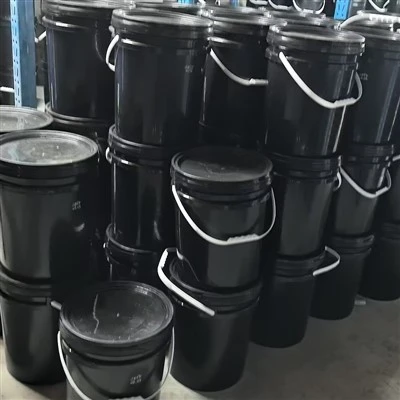
Let’s start with the most well-known and heavily restricted group: creosote and coal-tar derived chemicals. For decades, creosote was the go-to treatment for railroad ties, utility poles, and outdoor timber, because it effectively resisted rot, insects, and extreme weather. But extensive research by environmental agencies like the U.S. Environmental Protection Agency (EPA) and the European Chemicals Agency (ECHA) linked creosote exposure to serious health issues, including skin irritation, respiratory problems, and even cancer. The EPA banned creosote’s use in consumer and non-industrial applications in 1984, and the EU followed with a full ban on most uses by 2003. Today, creosote is only allowed in a handful of industrial, closed-system settings—places where human contact is minimal. As a supplier, we’ve never offered creosote, because it doesn’t align with our commitment to safe, accessible wood treatment.
Next are the legacy arsenic-based preservatives, like chromated copper arsenate (CCA). CCA was dominant in residential wood treatment from the 1950s through the 1990s, used for decking, fencing, and playground equipment. The formula mixed chromium, copper, and arsenic to fend off termites and fungal decay. But by the late 1990s, studies showed that arsenic—a known carcinogen—could leach from treated wood over time, exposing people, especially children, through skin contact or by inhaling sawdust during construction. The EPA phased out CCA for most residential uses in 2003, and the EU banned it entirely for consumer applications in 2002. Even in industrial settings, CCA is rarely used now, because modern alternatives perform better without the toxicity. I still hear from contractors who used CCA decades ago; when we help them source replacement treatments for old structures, we always emphasize that avoiding arsenic-based products isn’t just regulatory—it’s a responsible choice for end users.
Another category of banned chemicals that’s easy to overlook is organotin compounds, particularly tributyltin (TBT). TBT was widely used in wood treatments and marine coatings to prevent marine borers and fouling on ship hulls and dock timbers. But TBT doesn’t just kill pests—it’s highly toxic to aquatic life, even in tiny concentrations. It causes developmental harm in fish, disrupts reproductive systems in shellfish, and accumulates in the food chain. In 2008, the International Maritime Organization (IMO) banned TBT-based paints and wood treatments globally, and many countries, including the U.S. and EU, implemented similar bans years earlier. For marine wood applications today, we use copper-based or borate treatments that target marine pests without the long-lasting environmental damage of TBT. I’ve worked on several coastal restoration projects where switching away from TBT was a requirement, and it’s led to much better outcomes for local ecosystems.
Pentachlorophenol (PCP) is another long-banned chemical that was once a staple in wood preservation. PCP was used to treat utility poles, timber for agricultural use, and even some building materials, because it was effective against a broad range of fungi and insects. But PCP is persistent in the environment—it doesn’t break down easily, so it can remain in soil and water for years. Human exposure to PCP is linked to liver and kidney damage, neurological issues, and cancer. The U.S. banned most uses of PCP in 1984, and the EU followed with a full ban in 2002. Even in countries where PCP is still technically allowed, it’s heavily regulated, and most professional wood treatment companies avoid it entirely. I’ve heard horror stories from suppliers who worked with PCP in the 1990s, about workers getting sick from improper handling—stories that only reinforce why we choose non-chlorinated, biodegradable alternatives for all our clients.
Beyond these high-profile chemicals, there are a handful of other restricted substances that are often overlooked in wood modification: formaldehyde-based resins in some wood treatments, pentachlorophenol’s close cousin tetrachlorophenol, and certain phthalates used to soften wood coatings. Wait, I should clarify: not all formaldehyde-based products are banned, but certain high-formaldehyde, leachable compounds used in exterior wood modification are restricted. The EPA classifies formaldehyde as a possible human carcinogen, and the EU has strict limits on formaldehyde emissions from wood products. Some traditional wood treatments used high levels of urea-formaldehyde resins that could off-gas for years, but modern low-formaldehyde or formaldehyde-free alternatives are both compliant and effective. As a supplier, we test every product we use to ensure it meets or exceeds global emissions standards, so our clients don’t have to worry about non-compliance or health risks.
Now, you might be wondering: if all these chemicals are banned, what’s left? That’s the good news—modern wood modification uses a range of safe, effective substances that deliver better performance than the old, banned ones. Borates, for example, are naturally occurring boron compounds that are non-toxic to humans and pets, yet they kill termites, carpenter ants, and fungi. They’re perfect for interior wood like framing and trim, and they don’t leach when applied correctly. We also use copper-based preservatives, which are far less toxic than the old arsenic mixes, and targeted to only harm the pests that damage wood, not humans. For exterior wood, we sometimes use acetylated wood, a modification process that uses acetic anhydride to change the wood’s structure, making it resistant to rot and water without any chemicals at all—though for those who want chemical-based treatments, we have options that are 100% compliant with all global regulations.
As a supplier, our job isn’t just to sell a product—it’s to educate our clients on what works, what doesn’t, and why. Too many companies still try to cut corners with cheap, old chemicals that are either banned or ineffective, leading to headaches for their clients down the line. For example, I had a contractor come to us last year who had used a legacy creosote substitute that turned out to have high levels of a banned dioxin compound—his project was rejected by the city, and he had to tear out and replace thousands of dollars worth of timber. That’s a mistake we never want our clients to make. We work with each client to understand their specific needs: is this wood for residential decking, marine dock, agricultural fencing, or playground equipment? We match them with a treatment that’s compliant, safe, and delivers the durability they need.
It’s also important to note that regulations around banned wood modification chemicals are constantly evolving. Last year, the EPA updated its restrictions on certain biocides used in wood treatment, adding two more compounds to the restricted list to protect freshwater ecosystems. That’s why we invest heavily in staying up-to-date on global regulations—we have a team of compliance experts who monitor changes in the U.S., EU, Canada, and other key markets, so our clients never have to worry about using products that are out of line with the law. For small mill owners or construction companies that don’t have the resources to track every regulation, that peace of mind is invaluable.
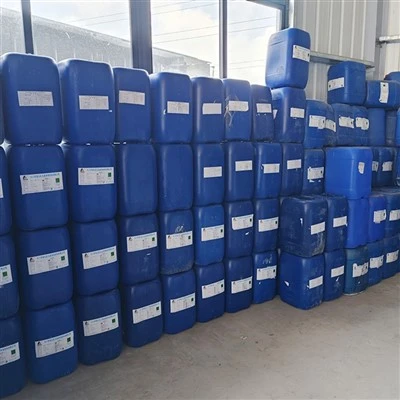
Another common misconception is that banned chemicals were somehow “better” at preserving wood. The truth is, many of the banned substances were effective, but the tradeoff in health and environmental harm was too great. Modern treatments have advanced leaps and bounds: our borate-treated wood lasts up to 30 years, on par with old CCA-treated wood, and it’s safe enough for children’s playgrounds. Our acetylated wood is even more durable, resisting warping and swelling in extreme temperatures, which makes it perfect for coastal or desert climates. The shift away from banned chemicals hasn’t meant sacrificing performance—it’s meant innovating to create solutions that work harder, without the risks.
Chemical Modification Of Wood If you’re a mill owner, contractor, or project manager looking to source compliant, high-performance wood modification treatments, we’re here to help. We can walk you through the latest regulations, help you choose the right treatment for your project, and provide all the documentation you need to ensure compliance with local and global standards. Don’t take the risk of using banned or non-compliant chemicals that could delay your project or harm your end users. Reach out to our team today to discuss your wood modification needs, and we’ll work with you to find a solution that’s safe, effective, and tailored to your budget.
References
- U.S. Environmental Protection Agency. (2003). "Chromated Copper Arsenate (CCA): Phased-Out Uses in Residential Wood Products." EPA Publication 738-F-03-002.
- European Chemicals Agency. (2002). "Restriction of Creosote and Coal-Tar Derivatives in Wood Preservation." ECHA Regulation (EC) No 1907/2006.
- International Maritime Organization. (2008). "International Convention on the Control of Harmful Anti-Fouling Systems on Ships." IMO Publication AFS/CONF/26.
- U.S. Environmental Protection Agency. (1984). "Final Rule: Banning the Distribution and Sale of Pentachlorophenol for Most Uses." EPA Federal Register 49(136): 28274-28280.
- World Health Organization. (2020). "Formaldehyde Concerns in Wood Products: Global Emission Standards." WHO Regional Office for Europe Publication EURO/20/06.
Winsir Decoration Materials Co., Ltd.
With abundant experience, we are one of the most professional chemical modification of wood manufacturers and suppliers in China. Please feel free to wholesale bulk chemical modification of wood in stock here from our factory. Good service and quality products are available.
Address: Zhonghe Village Industrial Zone, Duruan Town, Pengjiang District, Jiangmen City
E-mail: service@winsir.com.cn
WebSite: https://www.winsir-intl.com/
