If you’ve ever squeezed a single-serve ketchup packet, a shot of flavored syrup for coffee, or a travel-sized bottle of mouthwash, you’ve interacted with a stick pack—one of the most underrated workhorses of modern liquid packaging. As a supplier of liquid packaging machines, I’ve spent the last 12 years watching small craft brands, pharmaceutical startups, and consumer goods giants alike struggle with a common problem: they need packaging that’s cheap, portable, and tamper-evident, but can’t sacrifice product safety or production speed. Most don’t stop to ask how a liquid packaging machine for stick packs turns a raw roll of thin film into a sealed, perfectly measured packet in less than a second. Let me walk you through why this equipment isn’t just machinery—it’s the backbone of brands that want to stand out in crowded aisles. Liquid Packaging Machine
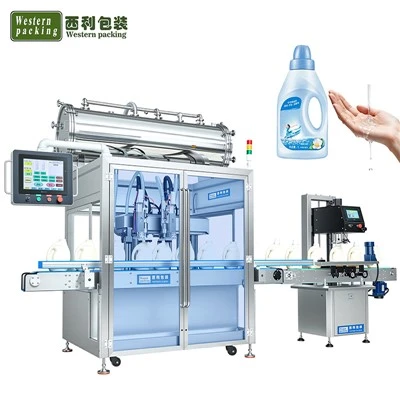
When I started in this industry back in 2011, stick packs were mostly reserved for sugar packets at diners and single-dose medication for hospitals. Fast forward to today, and they’re everywhere: plant-based shot blends for morning routines, cleaning solution pods for laundry pods, even veterinary supplements for farm animals that need exact, portable dosages. The demand exploded for three key reasons, and none of them would be possible without specialized liquid packaging machines. First, stick packs use 60% less packaging material than a standard bottle or jar—big wins for brands focused on reducing plastic waste and cutting shipping costs, since 100 stick packs take up the space of just 20 standard 1-oz bottles. Second, their slim, lightweight design makes them perfect for on-the-go lifestyles; I’ve worked with a snack brand that switched from bottles to stick packs and saw a 30% lift in impulse purchases at convenience stores, where shelf space is premium. Third, stick packs are inherently tamper-evident—you have to tear the seal to open them, so consumers immediately know the product hasn’t been compromised, a huge benefit for food and pharmaceutical goods.
But here’s the catch: packaging liquid into stick packs isn’t as simple as pouring into a mold and sealing it. Unlike solids, liquids move, can leak, and require precise heat and pressure to create a seal that’s strong enough to survive shipping but easy enough for a consumer to tear. That’s where a quality liquid packaging machine for stick packs comes in. Let’s break down how these machines work, because the difference between a $10,000 entry-level model and a $50,000 industrial-grade one isn’t just speed—it’s accuracy and reliability.
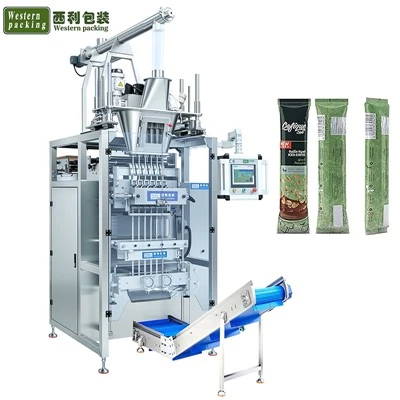
The process starts with a roll of flexible packaging film, usually a multi-layer laminate of plastic, paper, and sometimes aluminum for oxygen-sensitive products. The machine feeds this film through a series of rollers, then prints and applies batch codes, expiration dates, and brand graphics via a thermal transfer printer. Next comes the liquid handling unit, the most critical part for liquid products. A pump—usually a peristaltic or piston pump, depending on the product’s viscosity—dispenses exactly the right amount of liquid into the center of the film as it forms a vertical tube. For thin liquids like coffee syrup, a peristaltic pump works best, as it gently moves product without damaging ingredients, while thicker liquids like gel hand sanitizer need a piston pump to deliver consistent doses every time.
Once the product is in the tube, the machine forms horizontal and vertical seals. The vertical seal runs the length of the tube to keep the liquid inside, and the horizontal seals cut off each individual stick pack, leaving a small margin for tearing. Here’s where cheap machines often fail: inconsistent heat on the seals can lead to leaks, especially for acidic products like tomato sauce or citrus-based drinks. A good liquid packaging machine uses temperature-controlled seal bars that adjust automatically based on film thickness and liquid type, so you don’t end up with 5% of your product leaking during shipping. After sealing, each stick pack is cut, counted, and collected into bins or packaged into larger cases. High-end models can run up to 150 sticks per minute, while entry-level models handle around 50—enough for small craft brands, but not for national retailers.
Over the years, I’ve seen brands make two common mistakes when choosing a liquid packaging machine for stick packs: either buying the cheapest model they can find to save money, or overbuying industrial equipment when their production needs are still small. Last year, a small probiotic shot company came to me after their old machine from a general packaging supplier ruined 12% of their batches. The machine didn’t have a dedicated liquid handling system for viscous probiotic liquids, so the pumps would get clogged, and the seals were too weak for their oxygen-sensitive formula. We swapped in a machine with a precision piston pump and nitrogen flushing technology (which replaces air in the pack with nitrogen to extend shelf life), and their defect rate dropped to 0.2% overnight. They now produce 80,000 sticks a month, up from 20,000 before, and their profit margin increased by 28% because they no longer wasted product on leaks.
Another client, a family-owned tea company, initially bought a low-speed machine to test their new honey stick line. Within six months, they were selling at 12 regional grocery stores and needed to scale up, but they didn’t want to replace their machine entirely. We retrofitted their existing equipment with a faster pump and an automatic film feeder, boosting their speed from 50 to 100 sticks per minute for less than half the cost of a new machine. That’s the beauty of modern liquid packaging machines for stick packs—many are modular, so you can upgrade parts as your business grows, instead of starting over.
Of course, stick packs aren’t the right fit for every product. I always tell clients to ask themselves a few questions before investing: What’s the viscosity of my liquid? Thin liquids like water or juice work perfectly, but very thick products like chocolate sauce might require a different format, like sachets with a wider seal. What’s my shelf life goal? For products that need to stay fresh for a year, you’ll need a machine with a barrier film and nitrogen flushing, which adds a small cost per stick but saves you from product spoilage. And how much am I producing? If you only need 10,000 sticks a year, a manual or semi-automatic machine might be better than a fully automated one, which has higher upfront costs.
One trend I’m excited about right now is the rise of "liquid stick packs" for personal care products. Brands are packaging single-serve facial serums, hair oils, and even toothpaste into stick packs, which are more hygienic than standard tubes for travel. A few months ago, a clean beauty startup approached me to develop a machine that could package their argan oil serum, which is thick and sensitive to light. We worked with a film manufacturer to use a dark, UV-protective laminate, and customized the pump to dispense 0.3ml doses—exactly the amount a customer uses for one application. They launched last quarter and already have 50,000 sticks in distribution, which would have been impossible without a machine tailored to their specific product needs.
Another big factor for brands is sustainability, and the good news is that modern liquid packaging machines for stick packs are designed to reduce waste. Unlike older machines that cut off large chunks of film, today’s models use nearly every inch of the film roll, with minimal scrap. Some even support compostable and recyclable films, so brands can market their products as zero-waste. I recently worked with a laundry brand that switched from plastic bottles to stick packs made from plant-based film, and their customers responded so well that their sales doubled in a year. The machine we provided had a sensor that detects thin spots in the film before sealing, so we didn’t have any defective packs, and their waste rate was less than 1%—way below the industry average.
But even the best machine won’t work without regular maintenance. Over the years, I’ve seen clients buy a machine, skip on maintenance, and end up with expensive downtime. Liquid product leaves residue in the pumps and seal bars, so you need to clean the machine daily, replace worn parts like seals and rollers every 6 to 12 months, and calibrate the pump monthly to ensure accurate dosing. Many suppliers, including my team, offer ongoing support and training to make sure our clients get the most out of their equipment. We even have a 24/7 tech line, so if a machine breaks down at 2 a.m. during a production run, our team can walk your operators through a quick fix to get you back up.
Let me also talk about something that’s easy to overlook: the flexibility of stick pack machines. I’ve had clients use the same machine to package liquid honey one month, liquid protein powder (yes, we have powder models too) the next, and even thin liquid laundry detergent for a promotional campaign. That versatility is a huge advantage for small to medium businesses that want to test different products without investing in multiple machines. Just last year, a pet food brand used their stick pack machine to trial single-serve bone broth for dogs, and when demand took off, they were able to keep using the same equipment instead of building a whole new packaging line.
If you’re a brand owner, startup founder, or operations manager looking to add stick packs to your product line, here’s my advice: don’t just look at the upfront cost of the machine. Factor in defect rates, maintenance costs, scalability, and support. A cheap machine might save you $10,000 now, but if it’s constantly breaking and wasting your product, you’ll lose way more in the long run. At the end of the day, a liquid packaging machine for stick packs isn’t just equipment—it’s a partner in growing your business. It helps you reach new customers, reduce costs, and create a product that’s convenient and safe.
I’ve worked with hundreds of brands over the years, from home-based startups to multinational corporations, and I’ve seen firsthand how the right equipment can turn a good idea into a great product. If you’re ready to explore what a liquid packaging machine for stick packs can do for your business, I’m here to help. Whether you’re testing a new product line, scaling up production, or troubleshooting an existing machine, my team can walk you through your options, answer your questions, and find a solution that fits your needs and budget. Don’t let packaging hold your brand back—reach out to connect with our team to discuss your requirements and start turning your product into a stick pack that stands out on the shelf.
Granule Packaging Machine References
- Packaging Digest. (2023). "The Rise of Stick Packs: Trends in Single-Serve Liquid Packaging."
- Smith, J. (2022). "Liquid Packaging Technology: Sealing and Dosing for Viscous Products." Journal of Packaging Engineering, vol. 45, no. 2, pp. 112-127.
- Sustainable Packaging Coalition. (2021). "Stick Packs and Plastic Reduction: Life Cycle Analysis of Single-Serve Packaging Formats."
Guangzhou Western Packing Co., Limited
Guangzhou Western Packing Co., Limited is one of the most professional liquid packaging machine manufacturers and suppliers in China, also supports custom service. With abundant experience, we warmly welcome you to wholesale durable liquid packaging machine at competitive price from our factory.
Address: No.3, Yilong street, Wulonggang, Zhongluotan Twon, Baiyun District, Guangzhou
E-mail: david@westernpacking.com
WebSite: https://www.westernpackingusa.com/
