If you work in industries like oil and gas, chemical processing, or hydraulic power transmission, you’ve probably heard the term “high pressure compression tee” tossed around—but if you’re not a fitting specialist, it’s easy to gloss over what that actually means for your operations. Let me break this down like I would to a regular customer who’s just starting to look at fitting upgrades, no stuffy engineering jargon here. First, let’s skip the “technical definition” first and ground this in what it does: it’s a pipe fitting that lets you split or divert fluid flow (oil, gas, chemicals, even high-pressure hydraulic fluid) at a 90-degree angle, and it’s built specifically to handle way more pressure than a standard plastic or low-grade metal tee can. High Pressure Fittings Tee
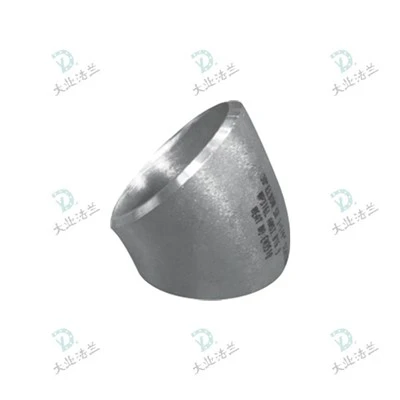
Wait, let’s get specific on the pressure part—most standard tees max out around 1,500 PSI, right? High pressure compression tees? We’re talking 3,000 PSI and up, and some industrial-grade ones handle 10,000+ PSI. That’s a big difference, and it matters a lot if your line is working near (or at) that upper limit. A lot of folks come to us after a low-pressure tee blows out during a pressure test, leaving their whole work site shut down for hours. I’ve had customers tell me they thought “a tee is just a tee” until their rig lost 200 gallons of pressurized crude and had to do a full safety inspection—so yeah, it’s not just a random pipe part.
Now, why “compression”? Compression fittings work by squeezing a ferrule (that’s a little metal ring, usually brass, stainless steel, or carbon steel) tight between the fitting body and the pipe, creating a leak-tight seal without welding, threading, or soldering. That’s a huge perk for teams that need to install or adjust lines fast, like when you’re doing a mid-shift repair or reconfiguring a hydraulic line on a factory floor. Unlike threaded tees, which can get stuck if you have to take them apart, compression tees can be taken apart and reused—no need to rethread pipes or deal with sealant residue. For high pressure applications, that seal has to be non-negotiable: a bad leak at 5,000 PSI isn’t just a hassle, it’s a safety hazard.
Let me run through a few common use cases that our customers hit up for. First, upstream oil and gas: drill rigs need lines that handle high-pressure natural gas or mud flow to power drilling equipment, and they can’t afford a leak that could spark an explosion. Another big one is hydraulic systems on heavy machinery—like construction cranes or mining haul trucks. Those systems run at 3,000 to 7,000 PSI, and a tee failure here can make a crane drop a load mid-lift, which is why we build our tees with extra-thick walls and precision-machined ferrules. We also supply a lot of chemical processing plants: when you’re moving corrosive or high-temperature chemicals, you need a tee that won’t corrode or crack under pressure. Stainless steel high pressure compression tees are a go-to here, because they stand up to both pressure and harsh materials way better than galvanized or plain steel.
Now, how do we make sure our tees hold up to that pressure? It’s not just slapping a thicker metal shell on a standard tee. First, we machine the fitting body from solid bar stock—no cast parts, because cast parts have tiny air bubbles or gaps that can crack under high pressure. Cast tees cost less upfront, but they fail a lot faster when pushed. Then, the ferrule design: for high pressure, we use two ferrules instead of one—one front ferrule that grips the pipe, and one back ferrule that seals against the fitting body. That’s a game-changer for pressure ratings: a single ferrule might leak above 4,000 PSI, but two can hold steady at 10,000 or more. We also pressure-test every single batch of our tees—some go through a hydrostatic test at 1.5x the max pressure rating to make sure they don’t give. I’ve seen so many cheaper knockoff tees pass a 1,500 PSI test but crack at 4,500, which is why we don’t cut corners on testing.
Wait, let’s address a common question I get from new customers: “Can I use a high pressure compression tee for lower pressure lines?” Sure, you can—but it’s overkill, and it’ll cost you more than a standard tee. But here’s the flip side: if you have a line that’s going to operate at 2,000 PSI even most of the time, but might spike to 4,000 during a pressure surge, you don’t want to gamble on a standard tee. The surge is when most failures happen, not the steady pressure. We had a customer last year who used a standard tee on a hydraulic line that got a 3,500 PSI surge—tee blew, damaged their machine, cost them $12k in downtime. They switched to our 6,000 PSI tees after that, no issues since.
Another thing that sets good high pressure compression tees apart is ease of installation. A lot of folks don’t have a welding rig or threading tool on a job site, right? Compression tees just need a pipe cutter, a deburring tool, and a wrench to tighten the nut. No hot work, no waiting for sealant to dry—you can install one in 5 minutes, versus 30 minutes to weld a tee. That’s a big win for on-site repairs where every minute of downtime costs money. We also make them for different pipe sizes, from 1/4 inch up to 2 inches, so we can fit everything from small hydraulic lines to larger process piping.
Now, let’s talk about materials, because that’s non-negotiable. Our most common materials are 316 stainless steel (great for corrosive chemicals, high temperatures), carbon steel (perfect for oil and gas lines where cost is a factor, and corrosion isn’t a big issue), and brass (for lower-but-still-high pressure applications, like pneumatic lines). We don’t use cheap alloys here—any tees we build go through material testing to make sure they meet ASTM standards, so you know they’re going to perform as advertised.
Wait, I should clear up a mix-up a lot of people have: compression tees are different from threaded tees, and different from weld tees. Threaded tees have male or female threads that you screw into pipe, which works but can have leaks if the threads are damaged or sealant is applied wrong. Weld tees require heating the pipe to melt it and fuse the tee on, which is permanent and needs hot work permits—total headache if you ever need to adjust or replace the line. Compression tees, on the other hand, are mechanical joints that are secure, reusable, and don’t need hot work. That’s why they’re so popular for high pressure applications where flexibility and speed matter.
What about maintenance? High pressure compression tees don’t need much, but you should check the nut tightness every few months, especially if the line vibrates a lot (like on a truck or a rig). Vibration can loosen the nut over time, which can cause a leak. But unlike threaded tees, you can just retighten the nut instead of cutting the pipe and rethreading. We include torque specs with every order, so you know exactly how tight to make the nut—too loose, and it leaks; too tight, and you can crack the fitting. It’s a small detail, but it makes all the difference in long-term performance.
Now, I get that some people might still go for the cheaper option, but let’s do the math. A standard compression tee might cost $15, while a high pressure one is $35. But if that $15 tee fails and shuts down your operation for 8 hours, and your downtime costs $10,000 an hour (which is totally reasonable for oil and gas or mining), you’re out $80k plus the cost of repairs. The $20 difference between the two tees is nothing compared to that loss. We’ve had customers switch from cheap tees to ours and save thousands in a matter of months because they don’t have to deal with downtime, leaks, or safety incidents.
If you’re reading this, you’re probably either dealing with a recurring leak in a high pressure line, or you’re planning a new system and want to make sure you’re using parts that won’t let you down. Maybe you’ve had a bad experience with a tee that didn’t hold up, and you’re tired of replacing parts every few weeks. That’s exactly why we build our high pressure compression tees—we know how critical these parts are to your operations, and we don’t cut corners on quality.
We work with all kinds of industries, from small fabrication shops to large multinational energy companies, so we can meet whatever your needs are. Whether you need a small batch for a repair or a bulk order for a new project, we have the tees, materials, and pressure ratings you need. No hidden fees, no generic parts, just fittings that are tested to hold up under pressure.
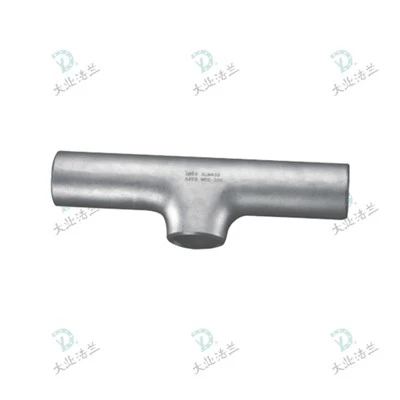
If you’re tired of tees that fail when you need them most, or you just want to make sure your next line is built to last, hit us up to talk through your specific needs. We can help you pick the right size, material, and pressure rating, and answer any questions you have about installation, maintenance, or how our tees compare to other options. Don’t wait until a leak shuts down your work—get ahead of it with a high pressure compression tee that’s built for performance.
High Pressure Fittings Tee References
- International Organization for Standardization (ISO) 8434-1: Metallic tube fittings for pressure general purposes — Part 1: Weldable tube fittings
- American Society of Mechanical Engineers (ASME) B31.3: Process Piping
- North American Hydraulic Press Association (NAHPA) Technical Report on High-Pressure Fitting Performance
- ASTM A182: Standard Specification for Forged or Rolled Alloy and Stainless Steel Pipe Flanges, Forged Fittings, and Valves and Parts for High-Temperature Service
- Occupational Safety and Health Administration (OSHA) 29 CFR 1910.1030: Process Safety Management of Highly Hazardous Chemicals
Zhejiang Daye Flange Co., Ltd.
Zhejiang Daye Flange Co., Ltd. is one of the most experienced high pressure fittings tee manufacturers and suppliers in China. With a professional production team, we offer a wide range of flanges with superior quality and competitive price. Welcome to buy CE approved high pressure fittings tee in stock here and get pricelist from our factory. We also accept customized orders.
Address: Headquarter: 8, Gangqiang Road, Yongxing Street, Longwan District, Wenzhou City, Zhejiang Province, China
E-mail: sales@dayeflange.com
WebSite: https://www.daye-flange.com/
