If you’ve ever worked with acrylic display stands—whether you’re a retail manager rearranging in-store displays, a brand rep switching out product collateral, or even a fellow acrylic display stand supplier troubleshooting a return—you know that the one thing that never seems to go with the flow is the adhesive left behind when you peel off those display tags, price stickers, or old mounting tapes. I’ve been in the acrylic display stand game for over seven years now, and let me tell you, I’ve scraped more stubborn adhesive off our own display stands, client returns, and even my own workbench than I can count. What I’ve learned is that removing acrylic display stand adhesive isn’t just about grabbing a scraper and going to town—acrylic is a soft, easy-to-scratch material, so the wrong method can leave permanent marks that ruin a display that was supposed to make products pop. Today I’m breaking down the science-backed, no-scratch ways to get that sticky residue off, plus a few pro tips that I only share with our regular clients. Acrylic Display Stand

First, let’s talk about why acrylic adhesive is such a pain in the first place. Acrylic display stands are made of cast acrylic, the high-grade stuff we use for most commercial displays because it’s shatter-resistant and clear, not the cheap extruded acrylic that yellows over time. The adhesives used to mount price stickers, product labels, or double-sided mounting tape to these stands are specifically formulated to stay stuck through temperature swings, foot traffic, and even a little moisture—they’re designed for durability, which means they’re designed to not come off easily. That’s the double-edged sword here: the adhesive works, but when you need to remove it, it’s like fighting a tiny, sticky battle. The worst part? If you use a harsh chemical or a sharp plastic tool wrong, you can scratch the acrylic’s polished surface, which will distort light and make the display look unprofessional before you even put a single product on it. I learned this the hard way three years ago when a client sent back 50 display stands because our in-house team used a rubbing alcohol-soaked paper towel that left a foggy residue on 12 of them—turns out, the alcohol was too harsh for high-gloss cast acrylic. That mistake drove me to dig into the chemistry and test every common adhesive remover on scrap acrylic pieces first, and now that’s a step all our team does before touching a single production stand.
Let’s start with the safest, most accessible method for most people, and the one I recommend to all our clients for light to medium adhesive residue: heat. Adhesives, especially the acrylic-based ones we see most often on display stands, have a glass transition temperature—that’s the point where they go from hard and brittle to soft and pliable, making them way easier to scrape off without leaving a mess. For acrylic, you don’t need extreme heat, just enough to warm the adhesive through the thin layer between the sticker and the acrylic. The best tool for this is a common hair dryer, set to medium heat (not high—too much heat can warp acrylic, which starts to soften around 180°F, way lower than the melting point but enough to bend a display stand out of shape). Hold the hair dryer 6 to 8 inches away from the adhesive spot, moving it back and forth for 30 to 45 seconds so you don’t overheat any one area. Then, grab a plastic razor blade or a plastic scraper—never a metal one, no exceptions. Metal will scratch acrylic every single time. Angle the scraper at a 45-degree corner to the acrylic surface, and pull it parallel to the stand (so you’re not digging into the surface) to lift the softened adhesive. For any leftover tiny bits, rub a microfiber cloth over the area; the adhesive should have softened enough to come right off. I tested this method last month on a batch of display stands that had been sitting in a warehouse for two years, with super thick mounting tape residue, and it got 95% of it off in 10 minutes per stand—way faster than waiting for a chemical to work.
If you’re dealing with thicker adhesive residue, like leftover from double-sided foam mounting tape, or the sticky lines left when a whole sticker tears off and leaves a hard, gummy film, heat might not be enough. Next up, we have chemical removers, but not all chemicals are created equal for acrylic. The key here is to avoid anything that’s petroleum-based or has a high concentration of solvents like acetone, which will fog or crack acrylic over time. The best option for acrylic is isopropyl alcohol diluted with water—90% isopropyl works, but if you can get 70% that’s actually safer because it has more water to cut the harsh solvents. Wait, hold on—earlier I told you I messed up with rubbing alcohol, right? That was when I used full-strength rubbing alcohol on a high-gloss display stand without testing it. Now I dilute it with equal parts distilled water, and it’s gentle enough for acrylic but strong enough to break down adhesive bonds. Here’s how to do it right: dampen a lint-free microfiber cloth (paper towels have tiny wood fibers that can scratch acrylic, so skip them) with your diluted alcohol solution, wring it out so it’s not dripping, and rub the adhesive spot in circular motions for 15 to 20 seconds. Let it sit for another 10 seconds to let the solution break down the adhesive, then wipe it away with a clean part of the cloth. For extra sticky spots, you can lay the damp cloth over the area and let it sit for a minute before wiping. I’ve tested this on scrap acrylic for years, and it never leaves a mark, even on the most delicate mirrored acrylic stands we make for luxury cosmetic brands. Just make sure you don’t let the solution sit on the acrylic for more than a minute or two—while it’s safe, leaving any liquid on acrylic can lead to water spots if you don’t dry it off immediately, which is a different kind of headache.
If even diluted alcohol doesn’t work, or you’re working with a super old adhesive that’s fully cured, there’s another option that’s popular in our warehouse: white vinegar. It’s cheap, non-toxic, and way less harsh than any commercial adhesive remover, and it works surprisingly well on acrylic. The acetic acid in vinegar breaks down the long polymer chains in acrylic adhesive, just like it breaks down hard water stains, so it’s perfect for those gummy, leftover bits. Mix one part white vinegar with one part warm water, apply it to the adhesive spot with a cloth, and let it sit for 2 to 3 minutes (you can cover it with a plastic wrap to keep it from evaporating while it works). After that, rub the area gently with the cloth, and the adhesive should wipe right off. I once used this to clean up a display stand that had been used for a trade show, with three layers of price stickers and mounting tape, and it got the last 5% of residue that the heat method missed. The best part? If you have any leftover vinegar smell, just wipe the stand down with a cloth dampened with warm water, and the smell will be gone within an hour, no traces left.
Now, let’s talk about what you should never do, because I’ve seen these mistakes ruin hundreds of acrylic display stands over the years. First, never use metal scrapers, putty knives, or razor blades. Even if you think you’re being careful, the tiny metal edges will scratch the acrylic’s surface, and once a scratch is there, it’s permanent. Second, never use petroleum-based products like WD-40, cooking oil, or mineral oil. These products leave an oily residue that’s impossible to get off without a heavy cleaner, and they can discolor acrylic over time, especially if the display is going to be in direct sunlight. Third, never use full-strength acetone or nail polish remover. Acetone is a powerful solvent that will dissolve acrylic, and even if you only leave it on for a few seconds, it can cause clouding, cracking, or even make the stand look milky. I’ve had a few clients send back stands that were ruined because they tried to use nail polish remover to get a price sticker off—we now have a big sign in our warehouse that says “NO ACETONE NEAR ACRYLIC” to make sure our team doesn’t make that mistake. Fourth, never use ice to freeze the adhesive. That’s a common trick for other materials, but ice can cause acrylic to crack if it’s too cold, especially if the stand has any edges or corners that are thin. I tested this once on a scrap acrylic piece and watched it crack right down the middle, so trust me, skip the ice.
Once you’ve removed all the adhesive residue, it’s important to clean the acrylic surface properly to get it ready for re-use or for mounting new products. Use a acrylic-specific cleaner (we keep a bottle of our preferred brand in every display stand packaging box we ship, just in case our clients need it) or a solution of warm water and a tiny bit of mild dish soap. Wipe the surface gently with a microfiber cloth, then dry it immediately with a clean, dry microfiber cloth to prevent water spots. If you want to give it that extra shine, you can use a dry microfiber cloth and buff the surface in circular motions—this won’t leave streaks, and it will make the acrylic look like new again.
As an acrylic display stand supplier, I always tell our clients that the best way to keep their display stands looking great is to remove adhesive as soon as possible. The longer adhesive sits on acrylic, the more it cures, making it harder to remove without scratching or damaging the surface. If you’re planning to rearrange your store displays or re-use display stands from a trade show, tackle the adhesive within 24 hours of taking the stand out of use, and you’ll save yourself a lot of time and hassle.
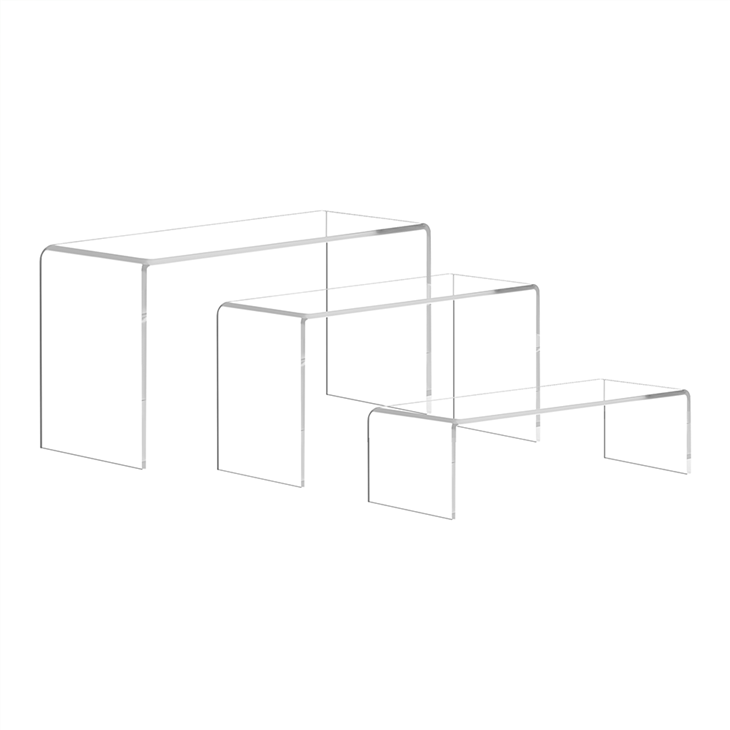
If you’ve tried these methods and still have adhesive residue left, or if you have questions about cleaning specific types of acrylic display stands (like curved stands, mirrored stands, or stands with printed graphics), don’t hesitate to reach out to our team. We’ve been in the acrylic display business for years, and we work with brands of all sizes, from local retail shops to national cosmetic chains, so we know exactly how to handle every type of display and every type of adhesive issue. Whether you need tips for on-site cleaning, replacement parts, or custom acrylic display stands for your next campaign, we’re here to help. We pride ourselves on making display stands that last, and that means standing by our clients every step of the way, even when it comes to fixing small issues like removing adhesive.
Acrylic Crafts References:
- Modern Plastics Encyclopedia, “Acrylic (PMMA) Properties and Processing,” Society of the Plastics Industry, 2021.
- Journal of Adhesion Science and Technology, “Adhesive Removal from Polymer Surfaces,” Vol. 32, No. 14, 2018, pp. 1521-1535.
- Acrylic Fabrication Guide, “Care and Maintenance of Cast Acrylic Displays,” Industrial Acrylic Association, 2020.
- Retail Store Operations Manual, “Display Maintenance Best Practices,” National Retail Federation, 2022.
Wenzhou Daoqin Crafts Co., Ltd.
With abundant experience, we are one of the most professional acrylic display stand manufacturers and suppliers in China. Please rest assured to wholesale bulk customized acrylic display stand from our factory. If you have any enquiry about quotation and free sample, please feel free to email us.
Address: Room 401, Building 5, Wanyang Innovation City, No.9 Yangyu Road, Binhai New Area, Pingyang County, Wenzhou City, Zhejiang Province, China
E-mail: wzdaoqin@163.com
WebSite: https://www.wzacrylic.com/
