Can PPR fittings be used in industrial plumbing? That’s a question I get asked a lot as a PPR fittings supplier. And let me tell you, it’s a topic that’s really worth diving into. PPR Fittings
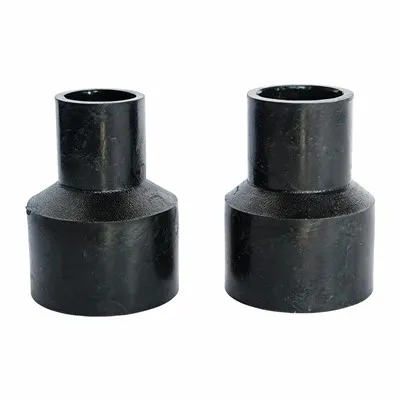
First off, let’s talk about what PPR fittings are. PPR stands for Polypropylene Random Copolymer. These fittings are made from a type of plastic that’s known for its durability, flexibility, and resistance to corrosion. They’re commonly used in residential plumbing for things like water supply pipes, but the big question is, can they cut it in an industrial setting?
One of the main advantages of PPR fittings in industrial plumbing is their chemical resistance. In a lot of industrial processes, there are all sorts of chemicals flowing through the pipes. Some materials can get eaten away by these chemicals, leading to leaks and other problems. But PPR fittings are pretty tough. They can handle a wide range of chemicals without getting damaged. For example, in a food processing plant, where there might be acidic or alkaline cleaning agents, PPR fittings can stand up to the test. This means less maintenance and fewer pipe replacements, which can save a company a ton of money in the long run.
Another plus is the ease of installation. PPR fittings are joined together using a heat – fusion process. It’s not as complicated as the welding or threading methods used with metal pipes. You don’t need a whole team of highly skilled workers to install them. A couple of trained guys can get the job done relatively quickly. This is a huge advantage in an industrial environment, where time is money. You can get the plumbing system up and running faster, reducing downtime and getting back to production sooner.
Cost is also a major factor. Industrial plumbing projects can be really expensive, especially when you’re using materials like copper or stainless steel. PPR fittings are a lot more affordable. They cost less to buy, less to install, and as I mentioned earlier, they require less maintenance. So, if you’re on a tight budget for an industrial plumbing project, PPR fittings can be a great option.
But it’s not all sunshine and rainbows. There are some limitations to using PPR fittings in industrial plumbing. One of the main issues is temperature resistance. PPR fittings can handle a certain range of temperatures, but if you’re dealing with extremely high – temperature fluids in your industrial process, they might not be the best choice. For example, in a power plant where steam at very high temperatures is flowing through the pipes, PPR might start to deform or even melt. That’s really bad news, as it can lead to serious safety hazards and shut down the whole operation.
Pressure is another concern. Industrial plumbing systems can sometimes operate under very high pressure. While PPR fittings are designed to handle a certain amount of pressure, in some heavy – duty industrial settings, the pressure might exceed their limits. If this happens, you could end up with burst pipes, which is not only a huge mess but can also put workers at risk.
So, how do you decide if PPR fittings are right for your industrial plumbing project? Well, it all depends on the specific requirements of your industry. If you’re in an industry where the chemical environment is harsh, the installation needs to be quick, and you’re on a budget, and the temperature and pressure requirements are within the capabilities of PPR, then they’re definitely a viable option. But if you’re dealing with extremely high temperatures or pressures, you might want to look into other materials.
Let me give you a few real – world examples. In a small – scale pharmaceutical manufacturing plant, where the chemicals used are relatively mild, the water temperature is normal, and the pressure isn’t too high, PPR fittings have been used successfully. The plant saved a lot of money on installation and maintenance costs, and the system has been running smoothly for years. On the other hand, in a large – scale oil refinery, where there are high – temperature and high – pressure processes, PPR fittings wouldn’t be suitable. They’d need something more robust like steel pipes.
As a PPR fittings supplier, I’ve seen firsthand the benefits and drawbacks of using these products in industrial settings. I’ve worked with many customers to help them make the right decision for their plumbing needs. If you’re in the process of planning an industrial plumbing project, I’d love to have a chat with you. I can provide you with more detailed information about the capabilities of PPR fittings, and we can discuss whether they’re a good fit for your specific situation.
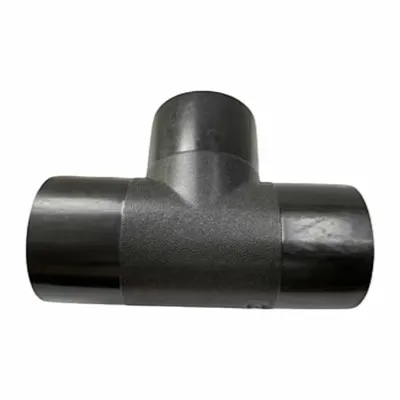
We’ve got a wide range of PPR fittings in different sizes and configurations. Whether you need elbows, tees, couplings, or any other type of fitting, we’ve got you covered. Our products are made from high – quality materials and are rigorously tested to ensure they meet the highest standards.
Don’t hesitate to reach out if you have any questions or if you’re interested in getting a quote for your industrial plumbing project. I’m here to help you make the best choice for your business. Let’s have a conversation and see if our PPR fittings can be the solution you’ve been looking for.
Butt Fusion Drainage Fittings References:
- Textbooks on industrial plumbing and materials science
- Industry reports on the use of plastic fittings in industrial applications
- Case studies from various industrial plants using different plumbing materials
Qingdao Polyfusion Machinery Co., Ltd.
As one of the most professional PPR fittings manufacturers and suppliers in China, we have world-leading production equipment and strong manufacturing capabilities. Please feel free to buy bulk high quality PPR fittings from our factory.
Address: Chengyang Industry Zone, Chengyang, Qingdao, Shandong, China
E-mail: export01@qdpolyfusion.com
WebSite: https://www.polyfusionfittings.com/
