Yo, folks! I’m in the membrane filtration equipment game, and one question I get asked all the time is, "What’s the rejection rate of membrane filtration equipment?" It’s a super important question, so let’s dig into it. Membrane Filtration Equipment
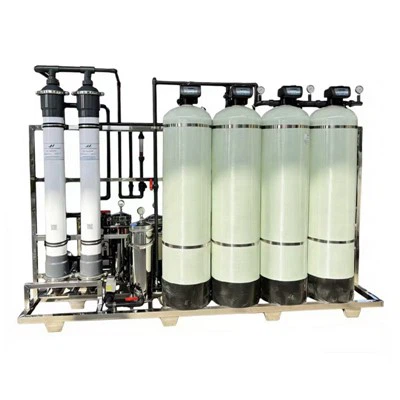
First off, let’s understand what the rejection rate is. Simply put, the rejection rate tells you how well the membrane can keep certain substances from passing through. It’s usually shown as a percentage. For example, if a membrane has a 95% rejection rate for a particular contaminant, that means it stops 95% of that contaminant from getting through.
Now, there are a bunch of things that can affect the rejection rate. One of the biggies is the type of membrane. Different membranes are made for different jobs. Some are great at filtering out big particles, while others are designed to target really tiny stuff, like salts or small molecules.
There are three main types of membranes: microfiltration (MF), ultrafiltration (UF), and nanofiltration (NF), and reverse osmosis (RO). MF membranes have the largest pores. They’re good at getting rid of things like solid particles, bacteria, and some larger colloids. But their rejection rate for smaller things like dissolved salts is pretty low, usually less than 10%.
UF membranes have smaller pores than MF. They can filter out most bacteria, viruses, and some macromolecules. The rejection rate for these larger substances can be up to 99%. But when it comes to salts and small molecules, the rate drops. It’s usually around 10 – 30% for salts.
NF membranes are even more precise. They can reject a significant amount of divalent salts and some organic compounds. Their rejection rate for divalent salts can be as high as 95%, while for monovalent salts, it’s typically around 50 – 80%.
RO membranes are the heavy – hitters. They have the smallest pores and can reject almost everything, including salts, ions, and most organic and inorganic contaminants. The rejection rate for RO membranes can be upwards of 99% for salts and other contaminants.
Another factor that affects the rejection rate is the operating conditions. Pressure is a huge deal. Higher pressure generally means better rejection for RO and NF membranes. But if you crank the pressure too high, it can damage the membrane. Temperature also plays a role. As temperature goes up, the viscosity of the fluid decreases, which can affect how well the membrane works. In general, an increase in temperature can lower the rejection rate of salts.
The concentration of the feed solution matters too. If there’s a really high concentration of contaminants in the water going into the membrane, the rejection rate might be affected. High concentrations can cause fouling, where contaminants build up on the membrane surface. This can block the pores and reduce the membrane’s ability to reject substances.
The pH of the solution can impact the rejection rate as well. Some contaminants change their charge depending on the pH, and the membrane has an easier or harder time rejecting them based on that. For example, for some charged organic compounds, changing the pH can adjust the rejection rate.
Now, you might be wondering why the rejection rate is so important. Well, if you’re using membrane filtration equipment in a water treatment plant, you want to make sure the water coming out is clean and safe. A high rejection rate for harmful contaminants means the treated water meets the quality standards.
In industries like food and beverage, the rejection rate is crucial for product quality. If you’re making fruit juice, you want to filter out unwanted particles while keeping the good stuff like vitamins and flavor compounds. The right membrane with the appropriate rejection rate can make that happen.
In the pharmaceutical industry, ultra – high rejection rates are necessary to ensure the purity of drugs. Even a tiny amount of contaminants can have a big impact on the efficacy and safety of medications.
If you’re in the market for membrane filtration equipment, you need to know what your desired rejection rate is. You have to think about what you’re trying to filter and what level of purity you need. For instance, if you’re looking to desalinate seawater, an RO membrane with a high salt rejection rate is what you need.
At our company, we’ve got a wide range of membrane filtration equipment to suit different needs. Whether you’re looking for a simple MF system for filtering out large particles or a high – end RO system for desalination, we’ve got you covered.
We’ve spent years in the industry, and we know how to pick the right membrane for the job. Our team of experts can help you figure out what rejection rate you need based on your specific application. We’ll work with you to understand your requirements and then recommend the best equipment.
If you’re interested in learning more about our membrane filtration equipment or want to discuss your project, don’t hesitate to get in touch. We’re always happy to have a chat and help you find the perfect solution for your filtration needs. Whether you’re a small – scale business or a large industrial operation, we can provide the equipment and support you need.
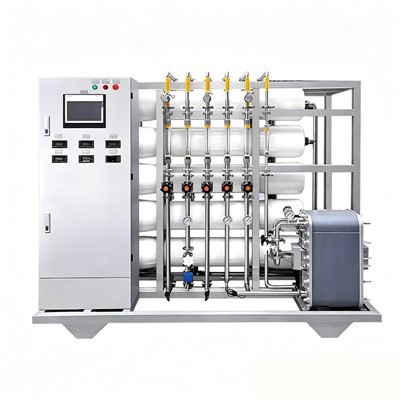
So, if you’re tired of guessing about the right rejection rate and filtration equipment, reach out to us. Let’s work together to get your project on the right track.
RO Purified Water Equipment References
- Cheryan, M. Ultrafiltration Handbook. Technomic Publishing Company, 1986.
- Baker, R. W. Membrane Technology and Applications. Wiley, 2004.
- Porter, M. C. (Ed.). Handbook of Industrial Membrane Technology. Noyes Publications, 1990.
Shandong Yanuo Environmental Protection Equipment Co., Ltd.
We’re well-known as one of the leading membrane filtration equipment manufacturers and suppliers in China, featured by quality products and good price. Please rest assured to buy bulk membrane filtration equipment made in China here from our factory. Customized orders are welcome.
Address: North Side of the Road, 1,000 Meters West of the Intersection of Fenghuangshan West Road and Provincial Highway S102, Wangfu Subdistrict, Qingzhou City, Weifang City, Shandong Province.
E-mail: ynhb.499973983@gmail.com
WebSite: https://www.zkyaruo.com/
