If you’ve ever ordered a new lipstick palette, a serum set, or that fancy highlighter collection and stared at the packaging, wondering if there’s more to it than just a pretty outer shell, you’re not alone. As a cosmetic box supplier who’s walked this line between packaging design, functionality, and customer needs for over a decade, I get asked this question all the time: Do cosmetic boxes come with compartments? The short answer is: it depends. But the longer, more nuanced answer is where the real story lies—because compartments in cosmetic packaging aren’t just a “nice-to-have”; they’re a direct reflection of what customers actually need, what brands are willing to invest in, and how packaging has evolved beyond protection to become part of the product experience. Cosmetic Box
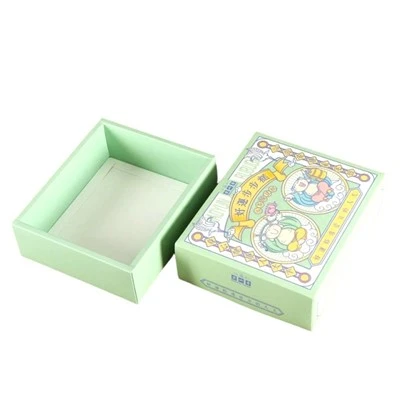
Let’s start with the basics. For most people who reach for a lip balm in a drugstore or a single foundation bottle online, the “cosmetic box” is simply the cardboard or paperboard sleeve that holds the product, nothing more. That’s a huge segment of the market, and for good reason. Single-item packaging is cheap, lightweight, easy to ship, and requires minimal manufacturing. But as the beauty industry has shifted toward sets, multi-product routines, and travel-friendly formats, the demand for organized, compartmentalized boxes has skyrocketed.
When I first started in this business back in 2012, 90% of the cosmetic boxes we produced were plain, single-compartment or zero-compartment designs. We’d cut a slot or a cradle to hold a single product, add a logo, and ship. That worked for brands that were selling one item at a time—think a $5 mascara or a $10 face cream. But around 2015, we started seeing a shift. Brands were launching “routine kits”: a 3-step skincare set with a cleanser, toner, and moisturizer, or a makeup set with eyeshadows, a liner, and a primer. Suddenly, putting all three loose products into a single cardboard box made them rattle during shipping, get scratched, or get mixed up. That’s when we got our first inquiries about compartments.
Now, let’s break down what compartments in cosmetic boxes actually look like, because it’s not one-size-fits-all. There are three main types, and each serves a different purpose. First, there are molded pulp or paperboard compartments, which are lightweight, recyclable, and cost-effective. These are the ones you’ll see in most drugstore makeup sets: the kind that have little folded dividers that hold each eyeshadow pan or each serum vial in place. Second, there are rigid plastic or foam compartments, which are sturdier, more protective, and often used for high-end, fragile items—think a limited-edition diamond highlighter set or a custom lipstick case. Third, there are magnetic or custom-shaped compartments, which are made to fit a brand’s exact product line, often with die-cut designs that match the product’s shape.
Over the past 8 years, the percentage of our orders that include at least basic compartments has climbed to around 65%. But that doesn’t mean every order needs them. It all comes down to product type, price point, and target audience. Let’s take two examples from last year that show this perfectly. We worked with a small indie skincare brand that launched a $45 “morning routine set” with a cleanser, vitamin C serum, and eye cream. The brand’s customers were mostly 20-something women who bought the set for travel, so they wanted something organized. We used molded paperboard compartments that were shaped to fit each product, added a soft velvet lining to keep them from scratching, and the box was a hit. The brand told us that customers specifically mentioned the compartmentalization as a reason they repurchased the set. On the other hand, we worked with a major international brand that sells a $12 single face wash in a pump bottle. They still use a plain, zero-compartment box—any extra cost for compartments would raise the product price by $2, and their customers wouldn’t pay that for a single item. That’s the balance we strike every day.
But here’s the thing about compartments that a lot of people don’t realize: they’re not just for holding products. For brands, compartments are a marketing tool. Think about the unboxing experience, which is huge in beauty now. When you open a cosmetic box and each item is neatly in its own compartment, it feels premium, intentional, and worth the price. I’ve had brands tell us that adding simple compartments to their boxes increased their customer reviews by 15% in the first quarter, because people love posting those neat, organized unboxing photos on Instagram and TikTok. For suppliers like me, that means we have to balance design, functionality, and cost. A fancy custom compartment might look great, but if it adds $1 per box to the production cost, that’s a dealbreaker for a brand selling a mass-market product.
Another big factor that’s changed how we approach compartments is sustainability. In the last 5 years, customers have become way more aware of waste in beauty packaging, so brands are pushing us to make compartments that are recyclable or compostable. Back in 2018, we started offering molded pulp compartments made from recycled paper, which broke down much easier than plastic or foam ones. That’s been a game-changer for a lot of brands that were getting backlash for using non-recyclable packaging. Now, almost all of our compartment options are either 100% recyclable, made from recycled materials, or both. I remember a few years ago, a big brand wanted foam compartments for a high-end holiday set, but when we explained that the foam was non-recyclable and would hurt their sustainability marketing, they switched to custom molded pulp compartments with velvet linings. They saved money, got the organized look they wanted, and didn’t lose points with their eco-conscious customers.
Of course, there are limits to what compartments can do. A common mistake I see brands make is over-complicating the design. I once worked with a small brand that wanted a cosmetic box with 12 tiny compartments for lip glosses, but the products were very different sizes—some were tall, some were short, some were wide. We tried a custom compartment design, but it turned out that the wide lip glosses didn’t fit well, and the small ones rattled around in their slots. The brand ended up scrapping the custom compartments and going with a simpler, slightly larger box that had two main compartments: one for the lip glosses and one for a free lip balm they included. The sales went up after the change, because the original design was too clunky and hard to use. That’s a lesson we pass along to every brand we work with: compartments are meant to make life easier, not harder. If they add unnecessary cost, take up too much space, or make the box hard to open, they’re not worth it.
I also get asked a lot about cosmetic boxes that have “hidden” compartments. These are the ones that people might not notice at first—like a small slot under the lid for a cotton pad, or a hidden pocket for a skincare sample. We’ve done a few of these for holiday sets or premium gift boxes, but they’re a niche product. Most customers don’t care about hidden compartments as much as they care about their main products being organized. That said, when a brand comes to us with a unique idea for a hidden compartment, we love working with them to make it happen. It’s what keeps the job interesting—every month, we get a new idea from a brand that wants to stand out from the competition.
Now, let’s talk about who decides if a cosmetic box has compartments. It’s almost always the brand, not the customer. That’s why my team and I spend so much time talking to brands about their goals, their products, and their budget. We’ll walk them through different options: zero-compartment boxes for single products, basic molded compartments for routine sets, rigid plastic for fragile high-end items, and sustainable options for eco-focused brands. We’ll also give them feedback based on what’s worked for other brands in the same space. For example, a brand that sells travel-sized beauty products will almost always benefit from compartments, because people want to fit all their essentials in one neat box. A brand that sells a single luxury perfume might not need them, because the perfume bottle is already the star of the show and the box is just for protection and gifting.
One of my favorite parts of being a cosmetic box supplier is seeing how a small design choice like adding or not adding compartments can make a big difference for a brand. Last year, we worked with a small brand that made organic lipsticks and balms. They were struggling to compete with bigger brands, until they decided to launch a set with a wooden cosmetic box that had compartments for three lipsticks, plus a small slot for a lip balm and a mirror. The box was sustainable, functional, and looked way more premium than their competitors’ plastic boxes. Within six months, their sales doubled, and they told us that the compartments were a key part of their new brand identity. That’s the kind of success story that makes all the late nights working on designs worth it.
But it’s not all about success, of course. We also get our share of inquiries that don’t work out. A few months ago, a brand wanted a cosmetic box with 20 tiny, custom-shaped compartments for a set of mini eyeshadows. The catch? They wanted the compartments to be made from 100% recycled material, and they only wanted to pay $0.50 per box. We tried a few prototypes, but it was impossible to make 20 precise compartments out of recycled paper at that price point without compromising on quality. We had to turn their business down, which is never easy, but it’s part of the job. We don’t want to deliver a product that falls apart or disappoints their customers, even if it means losing a sale.
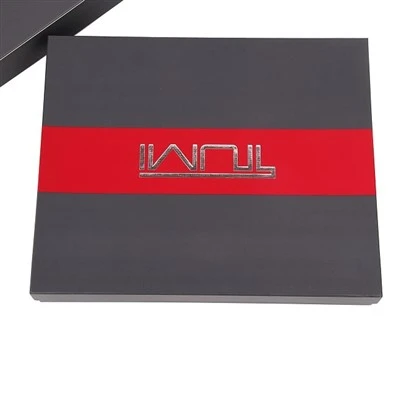
So, to circle back to the original question: Do cosmetic boxes come with compartments? The answer is that they can, but only if it makes sense for the product, the brand, and the customer. There’s no one right answer. For single, low-cost products, plain boxes without compartments make sense, because they’re cheap, lightweight, and easy to ship. For multi-product sets, travel kits, or high-end premium products, compartments are often a smart investment—they improve the unboxing experience, reduce product damage, and help customers stay organized. And thanks to advances in sustainable materials, compartments don’t have to come at the cost of the environment anymore.
Shoe Box If you’re a beauty brand looking for a cosmetic box that works for your products, whether you need simple plain boxes, custom compartments, or sustainable options, I’d be happy to talk through your needs. We’ve worked with indie startups and major international brands alike, and we can help you design a box that fits your budget, your products, and your customers’ expectations. Don’t hesitate to reach out to discuss your next project.
References
- Beauty Packaging Association. (2023). "Global Cosmetic Packaging Trends: Functionality and Sustainability."
- Smith, L. (2022). "The Unboxing Experience: How Packaging Design Impacts Customer Reviews in Beauty." Journal of Retail and Consumer Services.
- Sustainable Packaging Coalition. (2023). "Compostable and Recyclable Packaging Solutions for Personal Care Products."
- Cosmetic Executive Women. (2021). "Packaging Innovations: Compartmentalization in Multi-Product Beauty Sets."
Dongguan Jinying Printing Co., Ltd.
As one of the most experienced cosmetic box manufacturers and suppliers in China and Vietnam, we also support custom service and OEM service. Welcome to buy bulk luxury cosmetic box at competitive price from our factory. If you have any enquiry about cooperation, please feel free to email us.
Address: No. 5, 1st Road, Jingshan Third Industrial Zone, Chashan Town, Dongguan City, Guangdong Province
E-mail: inquiry@dg-jinying.com
WebSite: https://www.gpspacking.com/
