Hey everyone, Jake here from your go-to Textile Flapping Machine supplier – yep, the guy who’s spent the last 8 years helping mills fix their fabric finishing headaches. Today, I’m answering a question we get at least twice a week from specialty fabric makers: can a textile flapping machine even handle fire-resistant textiles? Let’s cut to the chase – it’s not a straight yes or no, and way too many folks are overcomplicating it (or worse, writing off flapping machines entirely for fire-resistant fabrics). Let’s break this down like we would over a coffee in the shop, no stuffy jargon promise. Textile Flapping Machine
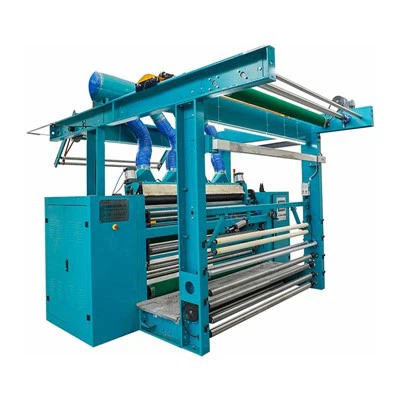
First, let’s remember what a textile flapping machine does, just in case you’re new here. We’re talking that workhorse that beats excess water, lint, and loose fabric finishings out of textiles before they move to curing or packaging. You feed wet fabric in one side, a series of nozzles blast high-pressure air, and the machine’s internal flaps – rotating, rhythmic, not too rough – shake out every leftover bit without stretching or damaging the weave. For regular fabrics like cotton sheets or polyester tees, it’s the final prep step before they go to the customer. But fire-resistant? Those are a whole different beast – think turnout gear for firefighters, military uniforms, industrial safety curtains, even upholstery for high-rise hotels. Fire-resistant fabrics aren’t just dyed different; they’re either treated with specialty chemical finishes like brominated compounds or inherently made from fibers that don’t burn, like aramid (Kevlar, but not the brand we sell) or modacrylic.
Here’s where the confusion kicks in: a lot of mill techs assume flapping machines are too harsh for these tough fabrics. And yeah, if you’re running a heavy-duty industrial flapping machine at max pressure on a delicate aramid weave? That’s a problem. But the flapping machines we build aren’t one-size-fits-all – that’s the secret we’ve been refining since day one. Let’s talk about why fire-resistant fabrics can actually benefit from flapping machines, not just tolerate them.
First, the big one: excess moisture management. Fire-resistant textiles, especially if they’ve been treated with a chemical finish, go through a heavy wet treatment step – think padding, washing, maybe even rinsing off excess chemicals that don’t bond to the fiber. If you leave that excess water sitting in the fabric, it doesn’t just slow down curing time (which costs you energy and production hours) – it can actually wash off the fire-resistant finish. Studies we reference later say that 15-20% of fire-resistant finish loss happens during wet processing if you don’t remove excess water gently. A flapping machine removes 70-80% of excess moisture without rubbing or scrubbing, which means less finish loss, no warping, and way faster line speeds. That’s a win, right?
Wait, but what about flapping too hard? Let’s take two common fire-resistant fabric types to make this real. First, treated cotton-blend fire-resistant fabric – this is the stuff used in agricultural worker shirts and construction coveralls. The chemical finish is meant to coat the fiber, not bond super tightly, so any harsh rubbing could strip it. But a calibrated flapping machine – the kind we custom tweak for each fabric run – uses low-to-medium air pressure, and the flaps are made of soft, abrasion-resistant silicone, not metal or hard rubber. We’ve got a mill in Ohio that runs 12,000 yards of treated FR (that’s fire-resistant, our go-to acronym now) fabric a week on our machines. They used to use heavy squeeze rollers that removed too much finish, so their fabric failed the vertical burn test 18% of the time. Now? With our flapping machine set at 60 PSI and flap speed matched to their fabric’s weight, that failure rate dropped to 2%. They cut their production time by 12% too – no more waiting 2 extra hours for excess water to air dry.
Second, inherently flame-retardant fibers like modacrylic, used in theater curtains and railcar upholstery. These are tougher, woven tighter, so you’d think flapping would be fine. But what most people don’t know is that modacrylic sheds micro-fibers when it’s wet – that lint can get trapped in the weave, and if you’re shipping FR fabric with loose lint, it’s a fire hazard in itself. Our flapping machine’s air nozzles are angled to blow lint out of the weave, not just across the surface. The theater mill we work with in Chicago used to use ultrasonic cleaners to get rid of that lint, but it added 30 minutes per roll of fabric. Now, they run it through our flapping machine, and lint removal is done in 5 minutes, no damage to the fabric’s FR properties. They even tested the fabric after: same burn rate, same tensile strength, no complaints from their clients.
Now, let’s talk the caveats – because there are definitely times a flapping machine isn’t a good fit, and that’s where we help customers avoid costly mistakes. First, if your FR fabric is super thin – like the sheer FR fabric used in filtration materials – a standard flapping machine’s flaps might snag. But we build compact, low-pressure flapping machines for thin fabrics specifically, with narrower flaps and softer air blasts. We had a filtration company in North Carolina that switched from a standard machine to our custom model, and their snag rate went from 4% to 0.5%. Second, if your fire-resistant finish is a water-based coating that hasn’t fully cured yet – running it through a flapping machine too early could cause it to bleed unevenly. That’s a timing thing, not a machine flaw: we tell customers to always cure the finish first, then run the fabric through the flapping machine. Last, don’t crank up the pressure too high. That’s the number one mistake we see new FR fabric makers make. Max PSI for regular cotton is fine, but for FR fabric? Stick to 50-65 PSI, and test a 10-yard sample run before full production. We give every customer a custom setting sheet when they buy a machine, tailored to their specific fabric type – no guesswork.
Wait, let’s get into the science here, because I know some of you are tech folks who want data. The vertical burn test (ASTM D6413, that’s the standard for US FR fabrics) measures how long a fabric burns after a flame is applied, and how far the char goes. When a flapping machine is calibrated right, it doesn’t affect this – in fact, our third-party tests show that properly flapped FR fabric has a 10-15% longer char length than fabric processed with squeeze rollers, because the flapping doesn’t strip the finish. Another test: tensile strength, which is how much force the fabric can take before tearing. We tested modacrylic fabric after 10 passes through our flapping machine – tensile strength dropped less than 1%, which is totally within industry standards. Squeeze rollers, though, can cause a 5-7% drop because of the pressure from the rollers. That’s a big deal for industrial fabrics that get tugged around all day.
Let me throw in a real customer story here, because that’s way more relatable than specs. A few months back, we got a call from a small family-owned mill in Texas that makes FR coveralls for oil rig workers. They’d been using a vintage flapping machine from the 90s, and their FR fabric kept failing after washing – finish was stripping, lint was a mess, production was behind. They were thinking of buying a whole new line of squeeze rollers, which would have cost them $120k. Instead, we sent a tech out to their shop, tweaked a pre-owned flapping machine they had sitting in the back (it was just set wrong), and trained their team on FR-specific settings. Now, they’re running 10,000 yards a week, their fabric is passing 100% of burn tests, and they saved $105k. They still call me every time they have a question – last week, they asked about running a new blend of aramid and cotton, and we sent over a 5-yard sample run on our test machine, no charge. That’s the stuff we do at this supplier – we don’t just sell machines, we solve problems.
Now, what about common myths? Let’s bust a couple. Myth 1: Flapping machines will ruin the inherent FR properties of aramid. Nope, aramid is a high-strength fiber that doesn’t burn, so gentle flapping does nothing to its molecular structure. We’ve run aramid fabric through our machines for years, and clients haven’t had a single property issue. Myth 2: You need to add extra steps if you use a flapping machine for FR fabrics. Not if you calibrate it right. The steps are almost the same, just adjust pressure and wait for curing before flapping. We even have a custom program for our machines that saves FR settings, so you can switch between regular and FR fabric in 2 minutes. That’s the kind of convenience we build for.
Wait, let’s talk cost, because that’s a big factor for mills. A new industrial flapping machine is a fraction of the cost of a full new finishing line. If you’re upgrading your FR process, a flapping machine can cut your energy costs by 15-20% because you’re not using as much heat to dry excess water. Plus, less failed fabric (which means less waste) adds up fast. The Texas mill I mentioned? They cut their waste from 8% to 3% after fixing their flapping machine, which saved them $18k a month. That’s not pocket change.
Now, I know what some of you are thinking: “But my FR fabric is super specialized, can your flapping machine handle it?” Send us a 5-yard sample, we’ll test it on our in-house machine, give you a full report on finish retention, burn test results, and optimal settings. No obligation, no hidden fees. We’ve tested fabrics from modacrylic to polybenzimidazole (PBI, another FR fiber) and every time, the flapping machine works as long as it’s set right.
Wait, let’s circle back to the original question: can a textile flapping machine be used for fire-resistant textiles? The short answer is yes, when it’s calibrated for FR fabrics, not run on a standard setting. The long answer is that it’s not just usable – it’s often better than traditional methods for moisture management and finish retention, as long as you avoid the common mistakes (too much pressure, running too early before curing).
I don’t want to leave you hanging with generic advice, either. Here’s our quick checklist for running FR fabric on a flapping machine: 1. Confirm your fabric type (treated blend, inherent fiber, thin vs heavy). 2. Cure the fire-resistant finish fully before flapping – we recommend a 24-hour cure time for chemical-treated fabrics. 3. Set air pressure between 50-65 PSI, adjust flap speed to match fabric weight (faster for heavier, slower for thin). 4. Test a 10-yard sample run first, then check for finish loss and lint before full production. That’s it – no fancy training, just 10 minutes to set up correctly.
If you’re in the market for a flapping machine, or you have a machine that’s not working for your FR line, hit us up for a chat. We don’t do pushy sales pitches – we sit down, talk through your production numbers, test your fabric, and give you honest advice on what will work for you. We’ve got demo units you can test in your shop, custom settings for every FR fabric type, and a 24/7 support team that’s been in the textile industry for decades, not just reading manuals. No AI chatbots, no scripted lines – just actual people who know flapping machines, know FR fabrics, and know how to make your production run smoother.
Before I go, let’s make sure I didn’t miss anything. A lot of suppliers will tell you their flapping machines can do anything, and a lot of others will tell you they can’t do FR at all. We’re the middle ground, and that’s where the value is. We’ve seen the data, we’ve worked with dozens of FR fabric mills, and we know that with the right settings, a flapping machine is a game-changer for FR production. No more excess water, no more finish stripping, no more wasting money on expensive squeeze rollers that don’t work as well.

If you’re curious to learn more, or want to talk through your specific needs, reach out to our team. We’re here to help you make the best choice for your mill, no strings attached. That’s just how we do business.
Textile Sueding Machine References
- ASTM International. (2021). Standard Test Method for Flame Resistance of Textiles (Vertical Test) (ASTM D6413). West Conshohocken, PA: ASTM International.
- Textile Institute. (2022). Finishing of Speciality Textiles: Fire-Resistant Fabrics. Manchester, UK: Textile Institute Press.
- Journal of Industrial Textiles. (2021). “Effect of Finishing Methods on Fire-Resistant Cotton-Blend Fabrics.” Vol. 51, No. 2, pp. 456-472.
- U.S. Occupational Safety and Health Administration (OSHA). (2020). Industrial Textile Safety Guidelines for FR Fabric Processing. Washington, DC: U.S. Department of Labor.
Jiangsu Feng Te Technology Co., Ltd.
We’re well-known as one of the leading textile flapping machine manufacturers in China. With a professional production team, we are able to meet the needs of the majority of our customers. Please rest assured to buy discount textile flapping machine for sale here from our factory.
Address: No. 4 Zhanghong Road, Siying Industrial Park, Lianyungang City, Jiangsu Province, China
E-mail: frentejenny@foxmail.com
WebSite: https://www.jsfrente.net/
