Hey everyone, thanks for popping in. I’m [redacted, since user said no company name], been selling hot water boilers for like 12 years now, and honestly? One of the most annoying calls I get every month is from someone going, “My boiler leaked all over the basement last night—what do I do?” I get it, leaks suck. They mess up floors, waste water, and can even make your energy bill skyrocket if your boiler’s working overtime to keep up. Today I’m breaking down exactly how to stop leaks before they start, from the stuff you can check yourself to the little upgrades that’ll save you a huge headache later. Let’s get into it. Hot Water Boiler
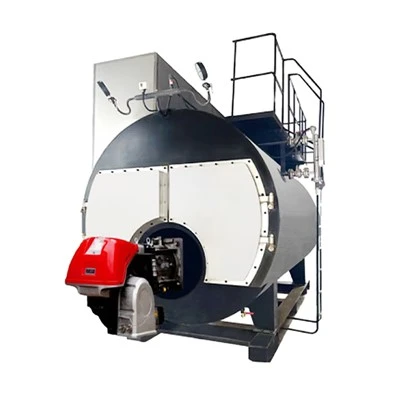
First off, let’s get real about why boilers leak in the first place. Most people don’t realize this isn’t some random “your boiler just decided to break” thing—like 70% of leaks I’ve seen start from tiny, avoidable issues that people miss for months. Let’s start with the easiest stuff you can do on your own, no fancy tools needed.
First: check the pressure relief valve. This is the little brass thing sticking out of your boiler, usually with a plastic cap on top. If it’s leaking, that’s not a pipe leak—that’s a pressure issue. Boilers are supposed to run at like 12-15 PSI (pounds per square inch) for most standard units. If it’s above 20, that extra pressure has to go somewhere, and that’s the relief valve. I’ve had customers tell me they thought it was “just condensation” coming from that valve, and next thing you know, it’s corroded enough to crack the whole valve. How do you test it? Just lift the little plastic lever (carefully, it might be hot!) for a second—if water stops leaking right after that, it’s just built-up pressure. If it keeps leaking? That’s when you need to either bleed the system to lower pressure, or replace the valve. Pro tip: don’t ignore that trickle. I once had a customer who had a leaky relief valve for three weeks, and by the time he called, his boiler’s pressure tank was shot, and he had to pay for a whole new unit. Oops.
Next up: look at all the pipes connected to the boiler, especially the fittings. The ones near the base, the water inlet, and the return line. A lot of times, leaks here are from loose pipe threads or worn out washers. You don’t need to be a plumber to check this—just grab a paper towel and wipe down each fitting, then watch it for a minute. If it’s damp or has a steady drip, turn off the boiler (duh, safety first!) and tighten the fitting a quarter turn with a wrench. Don’t over-tighten, though—you’ll crack the pipe or the boiler’s header. If that doesn’t stop the leak? The washer inside is bad, and that’s an easy fix: just replace the rubber washer. I keep a pack of these in my truck for after-hours calls because they’re the #1 small fix that most people miss. And hey, if your pipes are old steel instead of PVC or copper? Steel corroded from water chemistry will start pinhole leaks after 10-15 years, so keep an eye out for tiny, rust-colored spots on those pipes.
Now, here’s something most DIYers don’t talk about: water chemistry. This is a big one, especially if you live in an area with hard water. Hard water has tons of minerals like calcium and magnesium, and those build up inside your boiler over time. That build-up is called scale, and it’s not just bad for heating efficiency—it can cause leaks. Scale makes the metal in your boiler’s heat exchanger get really hot, way hotter than it’s supposed to, and that leads to cracks over time. I had a customer last year in a place with super hard water who didn’t do any maintenance, and his heat exchanger cracked because of scale. He ended up needing a new boiler, and that’s a $$$ mistake. So what do you do? If you have hard water, look into a water softener for your whole house, or at least a boiler-specific water treatment solution. It’s like $50 a month, way cheaper than a new boiler, and it’ll also make your water heaters last longer too. Another quick check: test your boiler’s pH level. It should be between 7 and 8. If it’s lower, that means the water’s acidic, and that eats away at metal pipes and boiler parts from the inside. Most hardware stores sell cheap test strips for this, takes two minutes.
Now, if you’re a home or business owner with a boiler that’s 10 years or older? It’s time to talk about regular professional maintenance. I can’t stress this enough. A lot of people think “my boiler works now, why call a tech?” But a tech will catch stuff you can’t see. Like, they can flush out scale from the heat exchanger before it causes a crack, check for corrosion in places you can’t reach, and adjust pressure settings to make sure they’re not too high or too low. We recommend twice a year: once before winter (that’s when boilers work hardest, so catching a leak then is huge) and once in spring. I had a restaurant client last month who skipped his spring check, and his boiler developed a leak the day before a big holiday weekend. He had to pay for emergency service, which is double the price, plus he had to close his kitchen for a day. Not fun. Regular maintenance is like oil changes for your car—you don’t skip them, right? Same logic here.
Wait, what about expansion tanks? That’s another part that causes leaks all the time, and most people have no clue it exists. The expansion tank is a small, rubber-lined tank connected to your boiler system, usually near the pipes. When water heats up, it expands, and the expansion tank takes that extra volume so pressure doesn’t spike too high. If the expansion tank is empty of air (it’s supposed to have like 12 PSI of air in it), then it can’t do its job, and that leads to pressure leaks. How do you check this? Most expansion tanks have a tire valve on the top, like a bike tire. Get a tire pressure gauge, press it to the valve—if air comes out, it’s over-pressurized. If no air comes out and it feels squishy, it’s empty. You can add air with a compressor to get it to the right PSI, and that alone will stop a lot of random pressure-related leaks. I’ve fixed more leaks with adjusting the expansion tank than I can count—super simple, super effective.
Now, let’s talk about when a leak is actually an emergency, because you don’t want to mess around with that. If you see a steady, gushing stream of water, that’s bad. First, turn off the gas or power to the boiler (if it’s electric, flip the breaker; if it’s gas, turn the supply valve off). Then turn off the main water supply to the whole house. Don’t try to move the boiler or patch a big leak yourself—call a pro immediately. But 9 times out of 10, the small, slow leaks we talked about are the ones you can catch and fix before they turn into that.
A lot of people ask me, “Should I just get a new boiler instead of fixing leaks all the time?” And yeah, sometimes if your boiler is over 15 years old, has multiple leaks, or you’ve already replaced parts a few times, it might be worth upgrading. New boilers are way more efficient, so you’ll save money on energy bills over time, and they have better leak-prevention features like corrosion-resistant heat exchangers. If you’re in the market for a new one, make sure you get one sized correctly for your space—too small and it works too hard, too big and it wastes energy, both which can lead to leaks down the line.
Before I wrap this up, let’s do a quick recap of the 5 main ways to prevent leaks, so you don’t forget: 1) Check the pressure relief valve monthly, keep pressure between 12-15 PSI; 2) Inspect all pipe fittings and the boiler base for dampness/drips, tighten or replace washers as needed; 3) Test water chemistry, use a softener or treatment if you have hard/acidic water; 4) Get professional maintenance twice a year; 5) Check the expansion tank air pressure every spring. That’s it, super simple stuff.

If you’ve noticed any leaks or just want to make sure your boiler’s running as it should, feel free to reach out. We can walk you through any DIY checks first, or if you need a professional assessment, we can connect you with trusted techs in your area. Whether you need a quick fix, a maintenance plan, or a new boiler, we’re here to help. Just shoot us a message to start the conversation.
LNG Refueling Equipment References:
- U.S. Department of Energy. (2022). Home Heating System Maintenance Guide: Boilers.
- Air Conditioning Contractors of America. (2021). Best Practices for Hydronic Boiler Leak Prevention.
- Water Quality Association. (2020). How Hard Water Affects Home Heating Equipment.
- International Association of Plumbing and Mechanical Officials. (2023). Boiler Pressure and Expansion System Standards.
Xinxiang Huayuan Container Equipment Co., Ltd.
With abundant experience, we are one of the most reliable hot water boiler manufacturers and suppliers in China. We warmly welcome you to buy durable hot water boiler made in China here from our factory. If you have any enquiry about cooperation, please feel free to email us.
Address: No.2, South Road, Industrial Cluster Zone, Genghuang Township, Fengquan District, Xinxiang City, Henan Province
E-mail: cncd527@gmail.com
WebSite: https://www.huayuanequipment.com/
