Hey there, if you’re running a small machine shop, you’ve probably stared at a pile of orders for 5, 12, or 27 custom parts and thought, “This can’t be efficient.” Small-batch production is such a sweet spot for lots of industries—custom aerospace brackets, medical device prototypes, specialty automotive parts, even artistic metal fixtures—but it comes with its own chaos. When you’re not cranking out 10,000 identical parts, every job feels like a tiny, high-stakes puzzle: different dimensions, materials (think soft aluminum, tough steel, tricky titanium), tight tolerances, and zero room for screw-ups that eat into your tight deadlines. That’s where machine tool accessories aren’t just a “nice-to-have”—they’re your secret weapon. As a machine tool accessories supplier who’s worked side-by-side with small shop owners for years, I’ve seen exactly how these little (and not-so-little) add-ons turn messy, slow small-batch runs into smooth, profitable work. Let’s break down the real advantages, no corporate jargon or fancy fluff, just the stuff that actually moves the needle. Machine Tool Accessories
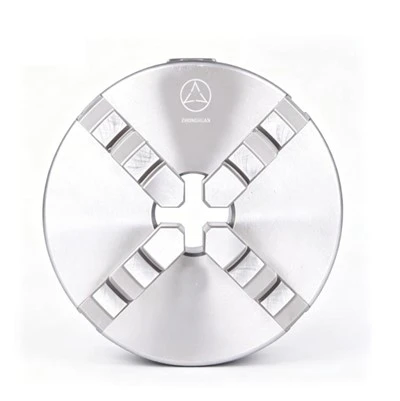
First off, let’s talk about setup time—this is the biggest time drain for small-batch jobs, hands down. I can’t tell you how many shop owners I’ve chatted with who waste entire days swapping out chucks, vises, and toolholders just to run a batch of 8 parts. Traditional, generic workholding and tooling are built for big, long production runs—you bolt something down once and leave it for 10k parts. But small batches? You’re changing parts, setups, and tools every single day. That’s where modular workholding accessories come in. Modular vises, quick-change jaw sets, and tombstone fixtures let you swap out a setup in minutes, not hours. For example, a shop that used to take 3 hours to set up 12 aluminum test brackets for a local startup? Now they swap the jaws and rearrange the tombstone in 20 minutes flat. Why does that matter? Because time is money. Every minute spent fumbling with clamps is a minute you could be machining parts, picking up more small-batch jobs, or just cutting down on overtime. And let’s not forget: fewer setup changes mean less room for human error. If you’re adjusting a vise for the 10th time that day, you’re way more likely to misalign a part and scrap it than if you’re using a pre-calibrated modular setup that’s consistent every time.
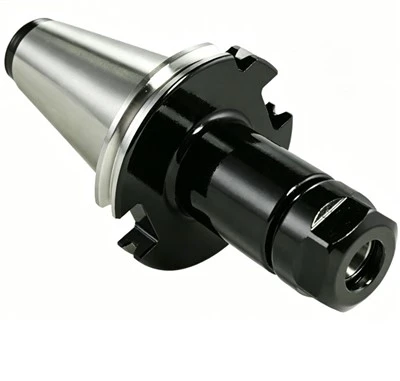
Next, part consistency. When you’re making small batches, customers don’t want 8 slightly different parts—they need parts that fit together perfectly, no exceptions. I’ve had a customer send back a batch of 15 medical device pins because one was 0.002mm off the tolerance, and that’s enough to make a whole assembly fail. Machine tool accessories like precision toolholders (hello, shrink-fit or hydraulic holders) and boring bar adapters solve this. Generic toolholders can flex, vibrate, or shift during a cut, which leads to inconsistent dimensions, especially when you’re working with tight tolerances. Shrink-fit holders, for example, grip the tool shank evenly along its entire length, no gaps, so every cut is the same—batch after batch. We supply a lot of these to small shops doing aerospace parts, where tolerances are measured in thousandths of an inch, and the difference between a part that passes inspection and one that gets rejected often comes down to that steady toolholder grip. And for workholding? Quick-change jaw sets that are machined to exact specifications mean every part you clamp is aligned the same way, no more “this one’s a little tighter on the right” issues. That consistency doesn’t just cut down on scrap—it means happier customers who will come back for more small jobs, and word-of-mouth referrals that gold for small shops.
Then there’s flexibility. Small-batch production means every job is unique, right? One day you’re milling a plastic prototype for a toy company, the next you’re drilling holes in hardened steel for a construction equipment part, the third you’re turning a custom brass part for a jewelry maker. If your machine’s stuck with a 6-inch vise that only holds flat parts, you’re screwed for that round part order. Machine tool accessories give you the ability to adapt to any job without buying a whole new machine. Let’s say you get a last-minute order for 10 custom circular brackets—instead of dropping $10k on a rotary table just for this one small job, you can use a 3-jaw chuck accessory that fits on your existing mill or lathe. Or, if you’re switching from aluminum to titanium, you can grab a special coolant nozzle adapter designed for high-temp titanium cuts instead of replacing your entire spindle. Flexibility is huge for small shops because you don’t have a huge budget for new equipment, and you can’t turn down every random small-batch order that comes your way. We’ve had a shop customer who went from turning away 2-3 orders a month because they couldn’t handle the unique setups to taking every job that fits their skill set—all thanks to adding a few key accessories like quick-change toolholders, universal vises, and small rotary adapters. That’s more revenue, no extra machine cost.
Vibration control and surface finish—these are two things that make small-batch parts look and perform like high-quality work, not throwaway prototypes. When you’re machining a thin-walled aluminum part, for example, vibration from the cutting tool or the part itself can make the surface rough, leave tool marks, or even warp the part mid-cut. That’s a huge problem for small batches, because you can’t just toss one out and rerun it easily—you’ve only got a handful of parts to make. Machine tool accessories like vibration-damping toolholders, high-quality collet chucks, and even specialized workholding supports (like steady rest adapters for long, thin parts) kill that vibration. I remember a customer who was making small titanium valve stems for a race team—they were getting rough surface finishes that required extra hand-finishing, eating up 2 hours per part. They switched to our hydraulic collet chucks and vibration-damping boring bars, and the surface finish was perfect straight off the machine. No hand work, faster production, and parts that the race team could use right away. Surface finish also affects fit—if a custom bracket has a smooth, consistent surface, it’s way easier to assemble into a larger product, and it looks way more professional for your customer. That’s the kind of quality that makes small shops stand out from bigger, bulk producers.
Scrap reduction is a big one too, especially when you’re working with expensive materials. Titanium, stainless steel, even specialty plastics—they don’t come cheap, and if you’re machining a small batch of 10 parts, one scrap part cuts your order volume by 10%. Machine tool accessories help here by improving accuracy and consistency, like we talked about earlier, but also by protecting your tools. Generic tooling can wear out faster, especially when you’re working with tough materials, which means you have to stop mid-job to replace a tool, and that leads to more errors. Premium toolholders, for example, keep the tool tight and stable, so it wears evenly instead of chipping or snapping mid-cut. I had a customer machining custom hip implant prototypes (super high-stakes, super expensive material) who was breaking 2 end mills per batch of 5 parts, because their old toolholders were letting the tool shift. After switching to our shrink-fit holders, they went from 2 broken tools per batch to 0. That’s not just saving money on tools—it’s saving expensive material, and most importantly, keeping a critical customer happy because they didn’t have to wait for extra parts. Scrap also kills deadlines—if you have to rerun 2 parts, you might miss your customer’s delivery date, which is a death sentence for small businesses that rely on reputation.
Wait, let’s not forget about operator comfort and productivity. Small shops often run with lean teams—you’ve got 2-3 people, everyone doing a little bit of everything. If an accessory makes their job easier, that’s a huge win. For example, quick-change tool systems mean operators don’t have to spend 10 minutes tightening each tool with a wrench every time they switch—they just pull a lever or click the tool into place. That’s less physical strain (no more sore wrists from adjusting wrenches all day) and faster setup, which as we said earlier, adds up to more parts per hour. Some of our customers who run 24-hour small-batch operations swear by our quick-change workholding, because night shifts with tired operators make way fewer mistakes when setup is simple. Productivity isn’t just about how many parts you make—it’s about how much mental energy your team has left for solving other small-batch problems, like troubleshooting a tricky material or adjusting a part’s design on the fly.
Now, let’s get real—all of these advantages add up to something bigger: profitability. Small-batch production has higher per-part costs than mass production, right? Because you’re not making 10k parts to spread out tooling and setup costs. But machine tool accessories bring those per-part costs down a ton. Less setup time, less scrap, no need to buy new machines for every job, less overtime—all that adds up to higher margins. I’ve seen a customer who switched from generic tooling and workholding to our accessories, and their profit margin on small-batch jobs went up 18% in 6 months. That’s not a small number for a shop that’s working on tight margins. And let’s be clear—profitability is what keeps small shops around. You can do great work, but if you’re not making money, you can’t pay your team, buy new tools, or take on more jobs.
Wait, is there a catch? Let’s be honest—some shop owners I talk to say, “I can’t afford new accessories right now.” I get it, cash flow is tight for small businesses. But here’s the thing: you don’t have to replace every single accessory at once. Start small—invest in a modular vise or a quick-change toolholder set that covers your most common jobs. We offer flexible pricing for small shops, because we’ve been there—we know you don’t have a huge budget for a big bulk order. And the ROI on even a small accessory investment is way faster than you think. That 3-hour setup time you’re wasting this week? Replace that with a 20-minute setup, and that’s 2 hours 40 minutes of extra machine time per day—enough to make 2-3 extra parts, which pays for that accessory in no time.
At the end of the day, small-batch production is all about agility and quality. You’re not a mass production facility that can afford to waste time, scrap parts, or turn down unique jobs. Machine tool accessories aren’t just add-ons—they’re the tools that let you compete with bigger shops, take on more profitable jobs, and keep your customers coming back. If you’re running a small machine shop and you’re still using generic workholding or tooling for your small batches, you’re leaving money on the table, and you’re setting yourself up for more stress than you need.
If you’re curious about how our accessories can fit your specific small-batch jobs, just reach out. We’ve worked with everything from 3-man prototype shops to mid-sized facilities, and we can help you pick the right accessories that match your current machines, your most common jobs, and your budget. No one-size-fits-all garbage, just real solutions for real small-batch problems. Don’t let messy setups, inconsistent parts, or wasted time hold you back—your small-batch work deserves to be as efficient and profitable as it can be.
Petroleum Pipe Thread Tools References
- Machining data book: Workholding and Tooling for Small Batch Production, Society of Manufacturing Engineers, 2021.
- Small Machine Shop Productivity Report, National Tooling and Machining Association, 2022.
- Vibration Control in Precision Machining, Journal of Manufacturing Processes, Vol. 45, 2020.
- ROI of Modular Workholding for Low-Volume Machining, Manufacturing Engineering Journal, Vol. 165, No. 3, 2020.
Shun Wei Precision Technology Co., Ltd.
With abundant experience, we are one of the most reliable machine tool accessories manufacturers and suppliers in China. We warmly welcome you to buy durable machine tool accessories at competitive price from our factory. If you have any enquiry about cooperation, please feel free to email us.
Address: Room901, Building2, Yijing Apartment, Northeast side of the intersection of Central Avenue and East Fifth Road, Tianjin Free Trade Zone (Airport Economic Zone)
E-mail: sale@sw-csd.com
WebSite: https://www.tjswprecisiontool.com/
