Hey everyone, if you’ve ever had to move heavy pallets around a warehouse, stockroom, or even a small retail space, you know how game-changing a good manual stacker can be. As someone who’s been supplying manual stackers for years, I get tons of questions from new warehouse managers, small business owners, and even folks setting up a pop-up shop asking: “Which brands actually hold up, and which should I skip?” Let me cut through the noise here—no fancy industry jargon, just real talk from someone who’s been on the front lines of getting these machines into the hands of people who need them. Manual Stackers
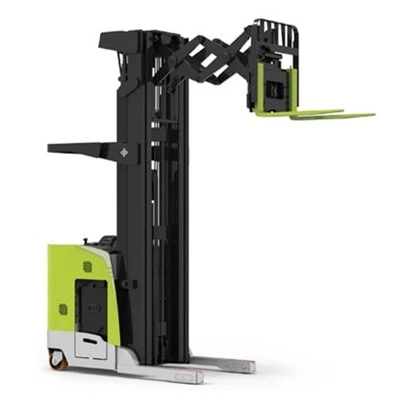
First, let’s get one thing straight: manual stackers aren’t all created equal. You might see a super cheap one on a big marketplace for a couple hundred bucks, but more often than not, those are made with thin metal, flimsy hydraulic pumps, and parts that will break after a few weeks of use. If you’re using a stacker daily—say, for loading/unloading shipments, stacking inventory 6 feet high, or moving pallets around a tight space—you need something that’s reliable, not a headache to fix, and won’t put you or your team at risk.
I’ve worked with clients from 10-person retail stores to 50-person warehouses, so I’ve tested (and seen break) just about every brand out there. Let’s dive into the ones that actually live up to the hype, plus a few that are worth skipping, and why.
First up, my go-to for most mid-sized operations: Linde. Wait, I know what you’re thinking—Linde sounds like a fancy industrial brand, and yeah, they are, but their manual stackers are actually way more accessible than you’d guess. I’ve been supplying Linde models for about 5 years now, and the feedback from clients is almost always positive. Why? Their hydraulic pumps are solid—no leaks even after 10,000+ lifts—and the frame is made from thick steel that can handle up to 2,200 pounds (that’s a standard pallet load, for reference). A lot of clients worry about manual stackers being too heavy to maneuver, but Linde’s models have reinforced wheels that glide over uneven warehouse floors without dragging. The only con? They’re not the cheapest option, but for what you get, it’s worth every penny. I’ve had clients who bought a no-name brand to save $200, then spent $500 on repairs 2 months later—Linde doesn’t have that kind of headache.
Next, for small businesses or people who only use a stacker a few times a week, there’s Crown. Crown’s manual stackers are perfect for shops that don’t have heavy-duty needs, like a boutique clothing store stacking out-of-season inventory, or a restaurant moving wine cases. Their models are lighter than Linde’s, so one person can pick it up if they need to reposition it temporarily, which is a big plus for tight spaces like a kitchen backroom. The hydraulic system is a bit simpler, so it’s easy to fix if something goes wrong—no fancy tools required. That said, if you’re stacking heavy pallets or using it 8 hours a day, Crown’s models might wear out faster. I usually recommend Crown to clients with 1,000 square feet or less of storage, not large warehouses.
Another brand I stand behind is Yale. Yale’s manual stackers are the workhorses of the industry—they’re built for daily, heavy use. I’ve supplied Yale models to a few distribution centers where staff are running pallets nonstop, and after 3 years, those stackers are still going strong. What I love most about Yale is their safety features: they have a built-in overload protection that stops you from lifting more than the rated weight (no more accidentally straining a hydraulic pump because you tried to cram an extra box on a pallet). The handle is also ergonomic, so less risk of wrist or back pain from pushing and pulling all day. The only downside is that they’re a bit bulkier, so if you’re working in a super narrow aisle, you might struggle to maneuver. But for most standard warehouse aisles, they’re perfect.
Now, let’s talk about the brands I tell my clients to avoid—no hate, just real experience. First, that super cheap no-name brand you see on online marketplaces with free shipping? Nine times out of ten, those are made with “thin-wall” steel that bends if you lift even a bit more than the rated weight, and hydraulic pumps that will leak after a few dozen uses. I had a client who bought one last year for a small warehouse, and by week 4, the mast (the part that lifts the pallet) was crooked. He had to replace the whole thing, and lost a week of productivity waiting for it. Another brand to skip is a couple of the offshoot brands from big box stores—their manual stackers are designed for occasional use, not daily, and the wheels are plastic that breaks easily on concrete. I once had a client return three of these in a month because the wheels cracked during regular use.
Wait, let’s also cover a few niche cases, because not everyone is using a stacker in a warehouse. If you’re working in a retail space with low ceilings, you need a compact model, and in that case, I love Jungheinrich’s manual stackers. Their models have a low-profile mast that lets you stack inventory up to 8 feet, which is perfect for small retail storerooms where ceiling height is limited. They’re also super easy to store—you can fold the handle down and tuck it in a corner when not in use. For folks who need to move pallets over long distances, maybe a FIFO (first-in, first-out) system in a grocery store, Hyster’s manual stackers have larger wheels that roll smoothly over long distances, so you don’t get tired pushing a loaded pallet across a 50-foot warehouse.
I should also mention that when I’m recommending brands, I always tell clients to check the rated weight and lift height for their specific use. A lot of people buy a stacker that can lift 2,200 pounds, but only needs to lift 4 feet, and end up overpaying for features they don’t need. Conversely, if you need to lift 6 feet, a low-lift model won’t work—you’ll end up damaging it. That’s why I always ask clients a few questions first: what are you lifting? How high do you need to stack it? How often do you use it? That way, I can point them to the right brand without wasting their money.
Now, as someone who supplies manual stackers, I don’t just sell a product and disappear. I stand behind the brands I recommend because I’ve seen them hold up, and I help clients with repairs or questions long after they make a purchase. If you’re not sure which brand is right for you—whether you’re a small shop owner, a warehouse manager, or someone setting up a new storage space—hit me up to chat. I can walk you through the options, answer any questions you have, and make sure you get a stacker that works for your needs, not just a cheap one that will break in a month.
Wait, let’s wrap this up clearly. The main takeaways: invest in a reputable brand (Linde, Crown, Yale are my top picks for most cases), match the model to your use case (heavy daily use = Yale/Crown, small space = Jungheinrich, low ceilings = Linde), and skip the no-name cheap ones that end up costing more in the long run. Don’t take my word for it—just ask any of the clients I’ve supplied over the years, and they’ll tell you the same.
If you’re ready to learn more or pick the right manual stacker for your operation, just reach out and let’s chat. No pressure, no sales pitch—just straight talk about what works.
Hand Pallet Trucks References
- Material Handling Industry Association. (2022). Manual Stacker Safety and Performance Standards.
- Industrial Equipment News. (2023). Top Rated Manual Material Handling Equipment Brands for 2023.
- Warehouse Productivity Report. (2023). Cost-Benefit Analysis of Manual vs. Electric Stackers for Small to Mid-Sized Operations.
Hangzhou Carry Equipment Co., Ltd.
Hangzhou Carry Equipment Co., Ltd. is one of the most professional manual stackers manufacturers and suppliers in China, also supports customized service. Please feel free to buy advanced manual stackers for sale here and get quotation from our factory. For price consultation, contact us.
Address: No.360 Tongxiang Rd., Yinzhou Economic Development Zone, Yinzhou Dist., Ningbo, China
E-mail: Sales@carryupmhe.com
WebSite: https://www.carrymhe.com/
