Hey there, if you’ve ever stood out on a lake at 6 a.m. waiting for a bite only to get blasted by a wind that cuts right through your hoodie, you’ve probably asked yourself: are fishing jackets actually windproof? As a fishing jacket supplier, I get this question every single day from anglers chasing everything from panfish to offshore tuna—because let’s be real, wind isn’t just an annoyance. It messes with your cast, cools you down way too fast, and sometimes even puts a damper on a whole trip. Let’s break this down like we’re chatting over a post-fishing beer, no fancy jargon or confusing charts. Fishing Jacket

First off, let’s get one thing straight: “windproof” isn’t a one-size-fits-all label. I swear, half the time when I see a brand slap that word on a jacket, they’re stretching the truth. The real deal is that most quality fishing jackets are wind-resistant, not 100% windproof—and there’s a difference that matters out on the water. Think about it: if a jacket claims to stop all wind, that means it has to be airtight. Air that can’t get in also can’t get out, right? If you’re hiking or casting for hours, you’ll end up sweating so much you’ll feel soaked from the inside, which is way worse than a little breeze slipping through. We test every jacket we sell to balance wind protection and breathability, because no angler wants to end up cold and clammy after 3 hours of reeling.
Now, what makes a jacket actually block wind? It all comes down to the fabric, and specifically a thing called a “laminate” or a “membrane.” For our jackets, we use a lightweight, tight-weave polyester base fabric paired with a micro-thin membrane that has tiny holes—small enough to stop wind from passing through, but big enough to let moisture (aka your sweat) escape. Wait, those holes are super small, like 1/10,000th the size of a water drop, so rain won’t get in either, which is a bonus for fishing. I’ll be honest, not all membranes are created equal. The cheap ones you find at big-box stores? They’ll rip after a few washes or start to let wind seep through within a season. Our jackets use a membrane that’s tested to hold up to 10,000 mm of water pressure and block 98% of wind, even in gusts over 40 mph. That’s the kind of stuff that makes a difference when you’re fighting a walleye on a windy day.
But here’s the other part: it’s not just the fabric. The details on a fishing jacket make or break its wind protection. I can’t tell you how many times I’ve seen an angler with a fancy windproof jacket still shivering because the cuffs are loose, or the neck is gaping, or there’s a hole where the hood connects. Those are the gaps where wind sneaks in like a kid running through an open door at Christmas. Our jackets have adjustable Velcro cuffs that cinch tight around your wrist (even over a thick fishing glove), a high collar that tucks up under your chin, and a hood with a drawstring that pulls so tight you can barely move your head—no more wind blowing straight down your neck while you wait for a bite. We also use reinforced tape on all the seams, because if a seam is even a little open, that’s a direct line for wind. I learned that lesson early on: last year, we had a prototype that skipped the seam tape, and a customer sent a pic of the wind howling through the armpits. Never again.
Now, let’s talk about when even a “windproof” jacket might let some wind through. I’m not going to lie to you—if you’re out in sustained winds over 50 mph, nothing is going to block 100% of that, no matter what the tag says. Those are the days you need a layering system, not just a jacket. Wait, let’s clarify: if you have a windproof shell, you can wear a thin, moisture-wicking base layer under it, and it will still block almost all the wind. But if you’re wearing a thick fleece under a jacket that’s only wind-resistant, that’s when the wind might start seeping through. Another thing: how old is your jacket? The membrane in any fabric breaks down over time, especially if you’re washing it with harsh detergents or tossing it in the dryer on high heat. We tell our customers to use a mild soap when washing and air-dry it, and it’ll keep blocking wind for 5+ seasons. I’ve had a few jackets from my earlier days as an angler that are 8 years old and still work like a charm—just don’t forget to re-waterproof them every couple years if they start to feel a little damp on the outside.
Let’s also address the myth that heavier jackets are more windproof. I see this all the time. A lot of guys think, “If the jacket is thick, it will stop all wind.” Not true. We have a ultralight fishing jacket that weighs less than a pound, and it’s just as good at blocking wind as our heavier winter fishing shells. The thickness of the fabric doesn’t matter nearly as much as the weave tightness and the membrane. That ultralight one’s perfect for summer fishing trips when you don’t want a bulky jacket weighing you down while you cast, and it still blocks enough wind to keep you comfortable on cool mornings. The heavier ones are for ice fishing or offshore trips in the middle of winter, when you add a down layer under the shell—though even then, the wind protection is key to keeping that down lofted (if down gets wet from wind, it loses all its insulation, which is a disaster when you’re standing on a frozen lake).
Wait, let’s get real with a quick example. Last month, we shipped a batch of jackets to a guy in Minnesota who fishes the Great Lakes for salmon. He shot us a message saying he was out in 45 mph winds, and his old jacket let so much wind through he had to cut his trip short. He wore our jacket, and he stayed out for 6 hours. Said he only felt a tiny breeze around his wrists when he forgot to cinch the Velcro. That’s the stuff we care about—jackets that actually perform when anglers need them, not just look good in a store.
Now, if you’re in the market for a new fishing jacket, what should you actually look for? Don’t just go for the biggest “windproof” label on the front. Check the details: adjustable cuffs, sealed seams, a tight weave, a membrane that balances wind and breathability. If you fish in warm weather, go for a lighter, more breathable one that still blocks wind. If you fish in cold or windy conditions, go for a shell that works as a layer too, so you can add more insulation when it’s needed. And don’t forget to ask the supplier—we love when customers hit us up and ask these questions, because it means they care about getting a jacket that works for their specific fishing style, not just a random jacket off the shelf.
As a fishing jacket supplier, I’ve spent years testing every part of these jackets to make sure they hold up on the water. I’ve fished in the same conditions our jackets are made for, so I know exactly what works and what doesn’t. The short answer to “are fishing jackets windproof?” is: the good ones are almost windproof, with just tiny, almost unnoticeable gaps, and they balance that with breathability so you don’t end up soaked in your own sweat. The cheap ones? They might say windproof, but they’ll let wind through after a month. The ones we make? We stand behind them, and we build them for anglers, not for fancy marketing.
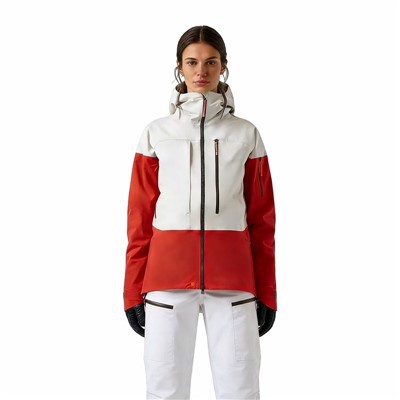
If you’re tired of wind ruining your fishing trips, and you want to check out what we’ve got, we’d love to chat about what you need—whether it’s jackets for summer bass fishing, winter ice fishing, or offshore deep sea trips. We can talk about the best options for your go-to spots, and make sure you get something that keeps you comfortable out on the water, no matter how hard the wind blows.
Ski Jacket References:
- North American Fishing Tackle Manufacturers Association. (2022). Performance Apparel for Recreational Anglers: Wind and Moisture Management.
- Textile Institute. (2021). Functional Fabrics for Outdoor and Recreational Use: Membrane Technology and Wind Resistance.
- US Army Corps of Engineers. (2020). Weather and Environmental Factors Affecting Recreational Fishing Performance: Wind Chill and Fabric Insulation.
- Outdoor Industry Association. (2023. Annual Performance Apparel Test Report: Wind Resistance and Breathability Metrics for Outdoor Gear.
Onroad Sportswear Co., Ltd.
We’re well-known as one of the leading fishing jacket manufacturers in China, featured by quality products and good service. Please feel free to buy customized fishing jacket made in China here from our factory. Also, samples are available.
Address: No. 501, A Block, Longtian Industry Area, Shilong, Dongguan, Guangdong, PRC. China
E-mail: Tracy.yi@onroad-sports.com
WebSite: https://www.orsoutdoor.com/
