Hey everyone, Sarah here, and if you’ve ever spent time hanging around a commercial kitchen—whether you’re a line cook, a vegan café owner, or just someone who’s obsessed with why some restaurant gear lasts 20 years and other stuff’s toast in two—you know stainless steel is basically the unsung hero back there. For years, I’ve supplied commercial stainless steel kitchen equipment to spots that range from busy downtown diners to plant-based cafes popping up on every corner. And lately, I’ve gotten one question more than any other: Can stainless steel commercial kitchen equipment actually work in a vegan kitchen? Stainless Steel Commercial Kitchen Equipment

Full transparency, when the first vegan café owner hit me with this three years ago, I’ll admit I raised an eyebrow a little. Wait, stainless steel? Isn’t that just for grills and stock pots? Turns out, I was the one who had a lot to learn, not the other way around. Over the last few years, I’ve worked with dozens of vegan and plant-based kitchen owners testing our griddles, prep tables, sous vide tanks, even our deep fryers for vegan menu items, and the results? They’re way better than I ever expected—though there are a few things you need to know before you outfit your spot.
First, let’s cut through the basics: Stainless steel is a metal alloy (mostly iron plus chromium, nickel, and other stuff) that’s known for being durable, rust-resistant, and non-porous. That last part is a big deal for kitchens, especially vegan ones where you’re dealing with all kinds of plant-based ingredients—fresh produce, nuts, grains, legumes, all the stuff that makes vegan cooking great. Wait, why would non-porosity matter here? Think about it: If your equipment is porous, food particles, oils, or even seasonings can get stuck in the tiny crevices. For non-vegan kitchens, that might mean leftover meat grease or breadcrumb gunk, but for vegan kitchens, it’s about cross-contamination. And honestly, cross-contamination is a non-starter for most vegan businesses. If you get a customer with a severe allergy (which is super common these days) or you’re trying to keep your menu 100% plant-based, you can’t have old bits of something non-vegan hiding in your prep surfaces.
Wait, but hold on—isn’t stainless steel reactive to certain foods? I used to think that too, until I started digging into the science. The chromium in stainless steel forms a thin, invisible oxide layer on the surface that keeps it from reacting with most acids, bases, or oils. That’s why it’s the go-to for everything from tomato sauce pots to pickle barrels. For vegan kitchens, which rely heavily on acidic things like citrus, vinegars, fermented foods (hello, kimchi and sauerkraut), even things like soy sauces and nut milks, that oxide layer is perfect. I’ve had a café owner tell me she uses our stainless steel stock pot to make 5-gallon batches of spicy tomato lentil soup, and it hasn’t stained or off-flavored her soup once. Compare that to, say, aluminum pots, which can leach a metallic taste into acidic foods—you’d never get that with stainless steel.
Let’s talk about specific equipment, too, because that’s what most people actually care about. Let’s start with the big one: griddles and flat tops. A lot of vegan menus use griddles for things like veggie burgers, tofu scrambles, grilled veggies, even vegan pancakes. Wait, can you use a stainless steel griddle for that without cross-contamination? Sure—if you clean it right, which is easy. The non-porous surface means you can scrape off all food bits, wash it with hot soapy water, and it’s ready for your next vegan batch. But here’s a tip I learned from my regulars: If you’re switching between vegan and non-vegan items (say, if your café does burgers for meat-eaters and vegan patties), just do a deep clean. A quick run with a grill brush and soapy water, maybe a little food-grade degreaser, and you’re golden. No leftover beef fat gumming up your vegan patties.
What about deep fryers? This is another big one I get asked about all the time. Can you use a stainless steel deep fryer for vegan fried foods (like vegan chicken, falafel, onion rings) and keep it separate from non-vegan fried stuff? Short answer: Totally. The interior of our commercial stainless steel deep fryers is smooth, so there’s no hard-to-reach spots where old fryer oil can get stuck. And because stainless steel is so resistant to heat and oil, the oil won’t go rancid as fast as it would in a cheaper material, which means your vegan fried food tastes consistent batch after batch. I have a client who runs a 100% vegan fried chicken spot, and he’s been using our 50lb deep fryer for two years—says it’s outlasted two cheaper deep fryers he tried before. The only thing he does is change the oil regularly, same as any fryer, and wipe down the heating element occasionally. No issues.
Prep tables are another staple in any vegan kitchen. Vegan prep involves a lot of handling fresh produce, chopped nuts, maybe marinating tofu or tempeh. Stainless steel prep tables are perfect here because they’re easy to sanitize. You can’t beat a 12-inch stainless steel prep table—just wipe it down, spray with a food-safe sanitizer, and you’re good to go. No cracks, no crevices where E. coli or other bacteria can hide, which is a huge win for health inspections (trust me, the health inspector loves stainless steel). I’ve had a few small vegan bakeries tell me they use our smaller prep tables to separate their vegan cookie dough from any other dough they might make (like, say, regular butter cookies), and the smooth surface makes cross-contamination basically impossible if you clean between batches.
But wait—there are a few caveats, right? I don’t want to sell you something that’s not a perfect fit. First, not all stainless steel is created equal. If you get cheap, thin stainless steel, it can warp under high heat—like if you’re using a griddle for high-heat searing. That’s a problem no matter what kitchen you’re in, but it’s extra annoying in a vegan kitchen because a warped griddle is way harder to clean. All the stainless steel I supply is food-grade 304, which is the standard for commercial kitchens. It’s thicker, more durable, resists warping, and it’s totally safe for food contact. Don’t skimp on the grade—this is a big one.
Another caveat: Acidic foods can leave marks, but not rust, on stainless steel. I had a café owner last year make a huge batch of mango chutney (super acidic) in one of our stainless steel pots, and when she pulled it out, there were faint light marks on the inside. It wasn’t rust—just a little discoloration from the acid, which wipes right off with a mild abrasive cleaner (like Bar Keepers Friend) and a soft sponge. No damage, no off-flavors, just a quick clean. She thought she’d ruined it, but we fixed it in 10 minutes. That’s not a flaw—That’s just stainless steel being stainless steel. You won’t get permanent damage, just a little surface discoloration that’s easy to fix.
And cross-contamination, even with stainless steel, is still a thing if you’re not careful. Let’s say you have a grill that you use for both vegan veggie skewers and chicken. If you don’t scrub the grates down between uses, you might have leftover chicken grease on the grates that gets onto your vegan skewers. That’s not a problem with the stainless steel—it’s a problem with how you’re cleaning it. The good news is, stainless steel makes cleaning way easier than other materials (like cast iron, which needs to be seasoned and can hold onto food particles, or wood, which is porous and hard to sanitize). A quick 5-minute scrub between batches, and you’re good.
Wait, let’s also talk about longevity, which is a huge selling point for stainless steel gear. I’ve had customers tell me our stainless steel equipment has lasted them 10+ years, even in busy vegan kitchens that run 12-hour days. Why does that matter for vegan kitchens? Because most vegan spots are small, growing businesses—you don’t want to have to replace your equipment every 2 years when you’re still figuring out your menu and your customer base. Stainless steel holds its value, it’s easy to repair (if something does break, a welder can fix a stainless steel griddle or table way easier than they can fix a cheap aluminum one), and it’s totally recyclable. That’s a big plus for eco-friendly vegan brands, which most are—knowing that when you upgrade, you can recycle your old stainless steel gear instead of throwing it in a landfill is a huge deal.
I also want to mention something that a lot of people don’t think about: the taste. Let’s be real, no one wants their crispy tofu to taste like the old burger that was cooked on the same griddle. Stainless steel doesn’t impart any flavor to food, which is critical for vegan cooking where the flavors are often bright, delicate, or specific (like that smoky paprika in your vegan chili, or the vanilla in your vegan ice cream). I once heard a line cook at a vegan spot say that when she switched from a cheap non-stick griddle to our stainless steel one, her vegan breakfast burritos tasted way more vibrant—no weird non-stick chemical aftertaste, just the flavors of the veggies and beans. That’s not a small thing. Food tastes better when your equipment doesn’t mess with it.
Now, let’s bust a common myth I hear all the time: “Stainless steel is too expensive for a small vegan café.” Yeah, upfront it might cost a little more than cheap plastic or aluminum gear. But let’s do the math: A cheap plastic prep table might cost $100, but it’ll warp in 6 months, get stained, and be impossible to sanitize. A stainless steel prep table from me? It’s $500, but it’ll last 10+ years. That’s way cheaper in the long run. Plus, as I said, it’s recyclable—so when you’re ready to upgrade, you can get some of your money back, or at least not have to throw it away. For small business owners, that’s a big deal. I work with a lot of new vegan café owners who are on tight budgets, and I always recommend starting with the core pieces: a prep table, a small griddle, and a deep fryer, all stainless steel. It’s an investment, but it pays off.
Wait, one more thing for people who are making the switch: Sanitization. The FDA recommends that commercial kitchen surfaces are sanitized after each use, and stainless steel is the easiest surface to sanitize. You can use hot water, soap, food-safe sanitizers, even bleach solutions (diluted, of course) on stainless steel, and it won’t stain or corrode. For vegan kitchens, which have to be extra careful with allergens and cross-contamination, that’s a huge compliance win. You won’t have to stress about failing a health inspection because your surfaces are hard to clean.
So, to circle back to the original question: Can stainless steel commercial kitchen equipment be used in a vegan kitchen? Absolutely. Not only can it work—it’s often the best option. It’s non-porous, so cross-contamination is easy to prevent. It doesn’t react with acidic vegan ingredients or impart weird flavors. It’s durable, easy to clean, and works for every piece of equipment you need, from prep tables to griddles to deep fryers. The only small catches are making sure you get food-grade 304 stainless steel, cleaning properly between batches if you’re mixing vegan and non-vegan items, and knowing that a little surface discoloration is normal and easy to fix.
If you’re a vegan kitchen owner, or someone outfitting a new plant-based spot, don’t overcomplicate it. Stainless steel is the way to go. I’ve seen it work for spots that serve 100 people a day and tiny bakeries that crank out vegan cookies by the dozen. It’s reliable, it’s safe, and it makes your food taste better.
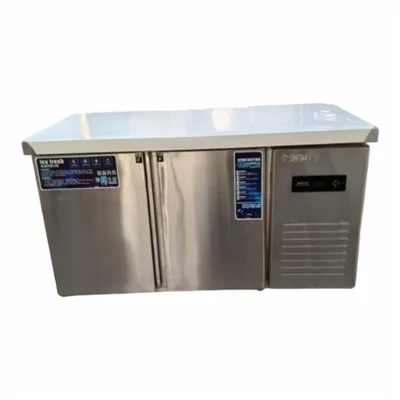
If you’re ready to outfit your vegan kitchen, or you just want to chat about what equipment makes sense for your menu, hit me up. I’m here to help—no hard sells, just honest advice from someone who’s been in the game for years and works with vegan kitchen owners every single day. Let’s get you set up with gear that’ll last, keep your menu 100% plant-based, and make cooking easier.
Commercial Convection Oven References:
- Food and Drug Administration. (2023). Food Contact Materials: Stainless Steel. U.S. Department of Health and Human Services.
- National Restaurant Association. (2022). Commercial Kitchen Equipment Guide: Stainless Steel Best Practices. National Restaurant Association.
- International Association of Food Protection. (2021). Cross-Contamination Prevention in Commercial Food Service. International Association for Food Protection.
- American Society for Microbiology. (2020). Microbial Retention on Porous vs. Non-Porous Food Contact Surfaces. Applied and Environmental Microbiology.
- U.S. Environmental Protection Agency. (2022). Sustainable Purchasing Guide for Commercial Kitchen Equipment. U.S. Environmental Protection Agency.
Hangzhou Joy Kitchen Equipment Co., Ltd.
As one of the most professional stainless steel commercial kitchen equipment manufacturers and suppliers in China, we also support custom service. We warmly welcome you to wholesale advanced stainless steel commercial kitchen equipment from our factory. If you have any enquiry about cooperation, please feel free to email us.
Address: Building1, Tongrenessence Building, Xihu District, Hangzhou, Zhejiang Province, China
E-mail: tyler@equipmentjoy.com
WebSite: https://www.joykitchenequipment.com/
