Hey there, let’s cut to the chase—if you’re shopping for acoustic wall panels, you’ve probably clicked around wondering if they’re actually eco-friendly, right? I’m one of the people who sells these things, not some corporate PR bot, so I’m gonna tell you the real stuff, not the buzzword-filled garbage brands throw at you to make a quick sale. Let’s start with the basics most tutorials skip: “acoustic wall panels” aren’t a monolith—some are total eco disasters, others are way greener than you think, and it depends on three big things: what they’re made of, how long they last, and what happens when you toss them. No vague claims here, let’s break this down. Acoustic Panel Wall Panel

First, let’s get one annoying myth out of the way fast: just because a panel is soft absorbs sound, that doesn’t mean it’s eco. A lot of cheap panels on Amazon or at big-box hardware stores use fiberglass, right? Fiberglass is that scratchy, glass wool stuff that’s been around for decades. Wait, but is fiberglass bad? Kinda. First, it’s made from molten silica and other recycled glass, so that part is okay—wait no, wait, the production part is messy. Making fiberglass requires super high heat, like 2,700°F, which burns a ton of fossil fuels if you’re not using renewable energy, and the binders they add to hold it together? A lot of old-school binders use formaldehyde, which is a known carcinogen. Even the “low-VOC” fiberglass ones? They still off-gas tiny amounts over time, and when you’re installing them, the tiny glass fibers get everywhere—your skin itches, you breathe them in, that’s not great for your indoor air or the workers installing them. And let’s talk end of life: fiberglass is technically recyclable, but how many local waste facilities actually accept it? Most of them put it in landfills, where it never breaks down. It’s inorganic plastic basically, so it sits there forever. Now, not all fiberglass is garbage—some newer ones use bio-based binders, like soy or corn, instead of formaldehyde, that’s a step up, but it’s still fiberglass.
Now, the good stuff—this is the stuff we sell, and what we tell every customer who asks about eco-acoustic panels: natural fiber panels. Think cotton, wool, hemp, jute, even coconut coir. These are the ones that actually check the eco boxes, but wait, let’s not act like they’re perfect either. Let’s start with cotton: most acoustic cotton panels are made from post-consumer recycled denim and cotton scraps. Wait, yeah—old jeans, t-shirts, all that stuff that would otherwise go to landfills. The process for turning that into acoustic material is way better than fiberglass because they just beat and compress the cotton, no high heat needed usually, and the binders are often plant-based. Wool is even better—sheep’s wool is renewable, right? Sheep regrow their fleece every year. Wool is also naturally fire-resistant, so a lot of brands don’t need to add fire retardants, which is huge. Fire retardants are another big eco red flag—they’re often toxic, off-gas, and mess with waste streams. Hemp panels? Hemp is a super fast-growing crop, no pesticides needed usually, it uses way less water than cotton, and it’s carbon-negative because it absorbs CO2 as it grows. Coconut coir is another one—made from the husks of coconuts that would otherwise be waste from coconut farms, so it’s upcycled, zero new resources needed there.
Wait, but I need to be real here—no product is 100% perfect. Even the best natural fiber panels have a tiny catch: some manufacturers treat them with a water-repellent coating for areas like bathrooms or basements, right? That coating might be a synthetic fluoropolymer, which is a forever chemical. So if you see a natural panel that’s “waterproof,” make sure they’re using a plant-based coating, like beeswax or carnauba wax, not that PFAS garbage. We only use plant-based coatings for our water-resistant panels, and we test every batch for VOC levels—our off-gassing is way below EPA standards, you could install them in a nursery and not worry about your kid breathing weird stuff.
Next big point: longevity. This is the part most eco blogs skip, and it’s a huge one. A panel that lasts 10 years is way worse than one that lasts 20, even if the shorter one is “more recyclable” at end of life. Because the carbon footprint of making a new panel—mining, processing, shipping—adds up. Let’s do a quick rough math: if you buy a cheap fiberglass panel that costs $20, lasts 5 years, you’re buying a new one every 5 years for, say, 50 years: that’s 10 panels total. A $60 wool panel that lasts 25 years? That’s only 2 panels. Even if the wool panel is a bit more expensive upfront, over time it’s way less waste, way less carbon from manufacturing and shipping. Plus, most natural fiber panels are way more durable—they don’t scratch easy, they don’t fade from sunlight as bad as fiberglass, they stand up to humidity way better if they’re coated right. We’ve had customers tell us their wool panels have been in a office for 18 years and they still work great, no sagging, no sound absorption drop. That’s way better than tossing panels every few years.
Then end of life, the most important part of the eco puzzle. Let’s circle back to the fiberglass vs natural fiber thing. Fiberglass, as I said, is recyclable but hard to find places to take it. Natural fiber panels? Almost all of them are compostable if you get the right kind. If your cotton or wool panel has no synthetic coatings or binders, you can cut it up and toss it in your backyard compost (or a commercial compost facility if you’re in a city) and it breaks down in like 6 months, no leftover plastic or chemicals. Some brands even take back their panels when you’re done with them to recycle or compost—we do that, actually. If one of our customers is replacing their panels, they ship ’em back to us, we process the good ones to refurbish if we can, compost the rest, no garbage going to landfills. That’s a big deal—we get so many questions from schools, offices, restaurants that care about zero waste, and that take-back program is one of our biggest selling points right now.
Wait, but what about other materials people talk about, like MDF panels? Oh man, MDF medium-density fiberboard is a super common acoustic wall panel material, and it’s almost always bad. MDF is made from wood fibers glued together with formaldehyde resins, same as that cheap particleboard you see in cheap furniture. It off-gasses formaldehyde for years, it’s made from virgin wood usually, so it contributes to deforestation, and when it’s done, it’s full of synthetic resins, so it doesn’t break down, it’s a total landfill item. Even “recycled wood MDF” is still using those toxic resins, so we never sell MDF panels, we make that clear to every customer. If someone comes to us asking for a panel that looks like wood but is eco, we recommend our hemp or wool panels, which we make in wood-grain finishes so they look just like real wood, no MDF needed.
Now, let’s talk about the lies brands tell to sound eco. You see stuff like “100% recycled!” plastered on panels that use 10% recycled material and 90% synthetic binders. Or “carbon-neutral!” when they only calculated the packaging, not the production or shipping. How do you spot the real eco panels vs the greenwashed garbage? Let’s make this simple, no fancy certifications: first, ask for a full material list. Don’t buy a panel that doesn’t tell you what’s in it, down to the binder and coating. Second, ask for VOC test results—they should be below 0.05 ppm for formaldehyde, that’s the safe level per EPA. Third, ask about end of life: will they take it back? Is it compostable? Fourth, check the lifespan—what’s the warranty? A 2-year warranty is a red flag, that means the brand knows it’s gonna fall apart soon. Our panels come with a 15-year warranty, that’s how we know they last.
I should also mention the little stuff that adds up for eco: shipping. If a panel is made in China and shipped to the US, that’s a huge carbon footprint from ocean freight, right? Most of our panels are manufactured in North America, using local materials—our wool comes from Canadian sheep, our cotton is from US post-consumer scraps, so we cut out the long-haul shipping. That’s a big one, a lot of brands forget that shipping halfway across the world is way worse for the planet than a slightly more local, slightly more expensive material.
Wait, let’s answer the original question straight, because I know you’re here for that: Are acoustic wall panels eco-friendly? Short answer: some are, most aren’t, and it’s totally up to what they’re made of, how long they last, and what happens when you’re done with them. There’s no one-size-fits-all, but if you skip fiberglass and MDF, go for natural fiber panels, and pick ones with long warranties and take-back programs, you’re making a way greener choice than the cheap stuff.
I’ve been selling acoustic wall panels for 8 years now, and I can tell you the number of people who come in worried about eco stuff has exploded in the last 5 years. More home owners putting panels in their home theaters, more restaurants wanting panels that don’t off-gas, more schools and offices looking for sustainable fit-outs. We don’t sell garbage panels just to make a buck—we’d rather tell a customer a cheaper panel is bad for them and the planet than sell it to them.
If you’re shopping around, whether it’s for your home, your office, a restaurant, whatever, and you wanna chat about what’s actually eco for your space, hit us up. We can send you samples, talk through material options, warranty info, whatever you need. No pushy sales stuff, just real answers.
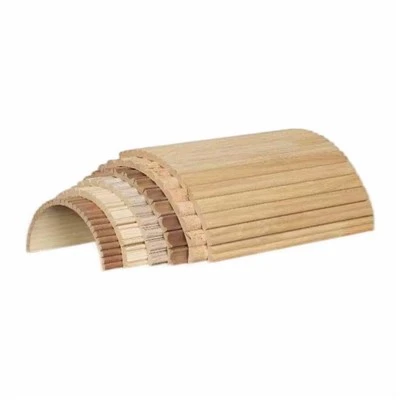
Don’t guess on acoustic panels and don’t get tricked by greenwashed claims—ask the right questions, and pick something that works for your space and the planet. That’s the whole point, right?
Flexible Wall Panel References:
US Environmental Protection Agency. (2023). VOC Emissions in Indoor Environments.
Forest Stewardship Council. (2022). Natural Fiber Building Materials: Sustainability Profile.
Occupational Safety and Health Administration. (2021). Fiberglass and Synthetic Fiber Exposures in Construction.
National Institute of Standards and Technology. (2022). Durability of Building Materials and Whole-Life Carbon Footprint.
Linyi Zhongjia New Building Materials Co., Ltd.
As one of the most professional acoustic panel wall panel manufacturers in China, we offer a wide range of products with superior quality. Please rest assured to buy high-grade acoustic panel wall panel for sale here from our factory. We also accept customized orders.
Address: 6th Floor, Building B03, Lushang Center, Liuqing Street, Lanshan District, Linyi City, Shandong Province
E-mail: zhongjiafactory@gmail.com
WebSite: https://www.zjwalldecor.com/
