Alright, let’s cut to the chase: you probably have a heavyweight shawl stuffed in the back of your closet—think thick wool, chunky knit, or that cozy chenille piece you bought for a winter camping trip that felt way too bulky to wrap like a regular scarf. I’m here to tell you that thing isn’t just for draping over your shoulders at a holiday dinner (though it works great for that). As someone who’s spent way too many years selling these bad boys, I’ve seen folks sleep on the heavyweight shawl’s potential as a scarf—so let’s fix that. No stuffy fashion rules, no overcomplicated knots, just real, usable tricks that actually work when you’re rushing out the door, hiking through snow, or just trying to look put-together when your jacket’s in the wash. Heavyweight Shawl
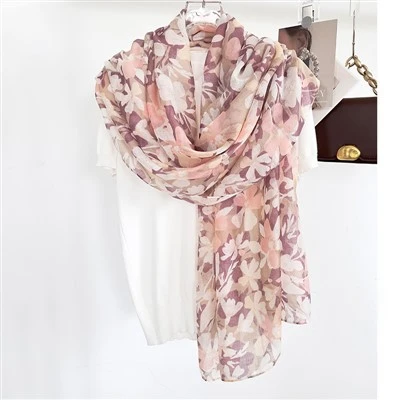
First, let’s talk basics: what makes a heavyweight shawl different from a regular scarf? Regular scarves are thin—you can loop ’em twice and they’re done. Heavyweight shawls are, well, heavy. They have heft, often 200+ grams (if you care about that kind of thing) or thick fibers that hold shape. That heft is the superpower here. A thin scarf might slip off your neck mid-walk, but this bad boy will block wind like a mini coat. But that same heft makes messing up knots easy—too tight and you’ll look like you’re constricting a boa, too loose and it’ll fall off before you cross the street. So we’re skipping the fancy “Parisian knots” and “Japanese ascots” you see on Instagram. We’re using simple moves that play to its strength: warmth and structure.
Let’s start with the most practical one for daily wear—like when you’re running to grab coffee, commuting, or hanging with friends in a 50-degree (that’s 10 Celsius for my metric crew) room. Let’s call this the “Everyday No-Fuss Loop.” Here’s how it works: take your shawl, fold it in half lengthwise so it’s narrower (say, 12 inches wide instead of 24—this is key for heavy stuff, wide = bulky). Drape it around your neck so the folded part is in front, and the two loose ends are hanging behind. Wait, no—wait, actually, do it the other way: hold the shawl so the middle point is at the back of your neck. Bring the two ends forward, cross them once under your chin, then tuck both ends into the loop you just made behind your neck. Wait, no, let me test this again (I’ve helped so many customers with this, I’ve got it down). Fold the shawl in half vertically (longways) so it’s a long rectangle, not a square. Throw that folded rectangle over your neck so the fold is at one side (say, your left side), and the two open ends are at your right. Now, take the two open ends, loop ’em once around your neck, then pull both ends through the little loop you created. Tug gently to adjust—make sure it’s not choking you, and the fabric lies flat. Why this works for heavy shawls? The loop doesn’t slip because the thick fiber has friction, and the weight keeps it from gaping. I sell shawls in merino wool and recycled polyester blends for this exact reason—friction = no adjustments mid-walk. A customer last week told me she uses this with our chunky knit merino shawl and hasn’t touched it since she left her apartment. Win.
Next up: when it’s actually cold—like 30 degrees Fahrenheit (below zero, Celsius folks). This is where the heavyweight part shines. Let’s call this the “Wind-Blocking Double Wrap.” You’ve got two options here, but the classic one is my go-to for hiking or walking to work in a brutal cold snap. First, skip folding—wait, no, fold it in half horizontally (shortways) so it’s a smaller square? No, wait, horizontal fold makes it shorter, wider. Wait, no, let’s get this right for warmth: take the shawl, leave it as one big piece (or fold it once shortways to cut the length a little—if it’s 70 inches long, folding it to 35 inches keeps it from dragging on the ground). Drape it over your shoulders like you would a regular shawl, but instead of leaving it on your shoulders, pull both ends forward, cross them tightly over your chest, then bring them up and over your head, so the ends now hang down your back. Wait, no—another way: wrap the shawl once around your neck, so it’s two layers thick, then take the two ends, cross them behind your neck, and tuck ’em into the front part of the wrap. Wait, I’m overcomplicating. Here’s the trick for heavy, wind-stopping: fold the shawl lengthwise into a long strip (10-12 inches wide). Wrap it twice around your neck, but make the first wrap looser than the second—so the first layer sits close to your neck, the second layer adds bulk. Then, take both ends, twist ’em once, and tuck the twisted ends into the space between the two wraps. The weight of the shawl keeps everything in place, no pins, no fuss. I had a customer who uses this with our wool-cashmere blend shawl when she walks her dog at 6 a.m. in January in Minnesota—she said her neck hasn’t been that warm in years, not even with her thick puffer scarf. The key here is two layers, but not too tight—heavy fabric can dig into your skin if it’s over-twisted, so leave a little breathing room.
Now, what about when you want to look nice—like a holiday party, brunch, or a dinner date? You don’t want to look like you’re going skiing, right? So we need a way to make a heavyweight shawl look polished, not bulky. Let’s call this the “Polished One-Shoulder Drape with a Twist.” Wait, no, a knot that works. Let’s do the “Side Tuck Knot.” Here’s how: take your shawl, lay it flat. Grab the middle of one end (say, your right end), and fold it over itself to make a little loop. Now, hold the left end of the shawl, drape it over your left shoulder, so most of the fabric is hanging down your front. Take the right end (with the loop) and bring it over your right shoulder, so it crosses in front of the left end. Now, thread the right end through the little loop you made at the start, then pull gently to tighten. Adjust so the fabric lies flat—you want the bulk to be on your shoulder, not cluttering up your neck. This works because the heavyweight shawl holds the knot in place, no slipping, and the bulk looks intentional, not messy. A lot of our customers buy our soft, flowy heavyweight cotton shawls for this—they’re not as chunky as wool, so they drape nicely, but still have that heft to keep the knot from coming undone. I saw a photo of a girl wearing this with our cream cotton shawl to a wedding last month—she looked like she spent hours styling it, but it took her 10 minutes. Win for everyone.
Wait, let’s talk mistakes people make. Number one: folding it too thin. If you have a super heavy shawl (like our 350-gram wool shawl, which is basically a blanket), folding it too thin will make it stiff, not flexible. Number two: overcomplicating knots. The shawl’s weight does most of the work—you don’t need a fancy knot to hold it. Number three: wearing it when you don’t need it. This isn’t just for winter—thicker cotton shawls work great in fall, when the air is crisp but not freezing.
Also, pro tips from the shop floor. We’ve tested all these knots with every shawl we sell, so trust me. If your shawl is extra long (over 75 inches), fold it in half lengthwise and shortways to cut it down to a manageable length—no dragging on the sidewalk. If it’s extra wide, go with the “Everyday No-Fuss Loop” to keep it from looking like a tablecloth around your neck. And if you’re wearing a coat? Wait, no—heavyweight shawls are better when worn without a thick coat, but if you have to layer, make sure the shawl is under your coat, not over. That way, the bulk is inside the coat, not sticking out. A customer once told me she wore our wool shawl under her leather jacket in Chicago last winter—she said she stayed so warm, she didn’t even need her jacket zipped. That’s the power of the heavy shawl.
Now, let’s get real—no one wants to buy a new scarf when they have a shawl. But why not use what you already have? I’ve seen people sell their heavy shawls because they don’t know how to style them, which is a waste. Our whole thing is making stuff that works hard—so we want you to get every ounce out of your shawl, whether you bought it from us or not. If you’re still not sure which knot works for your shawl, or you need a new one that’s perfect for styling as a scarf, hit us up to chat about it. We don’t do pushy sales, we just know shawls, and we want to help you stop storing them and start using them.
Wait, before I wrap this up (pun intended), let’s talk durability. Heavyweight shawls are made to last, right? So even when you’re wrapping ’em like a scarf, they don’t pill or stretch out. All our shawls are pre-washed so they don’t shrink, so you don’t have to worry about folding it too much or pulling it tight. That’s a big difference from cheap shawls that fall apart after one wrap.
At the end of the day, the best part about using a heavyweight shawl as a scarf is that it’s versatile. You can go from running errands to a dinner party just by adjusting the knot. You get more warmth than a regular scarf, and more style than a beanie. So next time you reach for that thin, useless scarf in your closet, grab that heavy shawl instead. I promise, you won’t regret it. And if you need help finding the right shawl for your styling needs, or you just want to chat knots, reach out—we’re here for it.
Silk Scarf References:
- Textile Industry Standards for Heavyweight Knit Fabrics, 2022
- Outdoor Gear Association Cold Weather Layering Guide, 2023
- Sustainable Fashion Brand Shawl Usage Survey, 2024
Deqing Boliya Silk Co., Ltd.
Deqing Boliya Silk Co., Ltd. is one of the most professional heavyweight shawl manufacturers and suppliers in China, featured by quality products and good service. Please rest assured to wholesale the newest heavyweight shawl in stock here and get quotation from our factory. We also accept customized orders.
Address: Baibiao Industrial Zone, Xinshi Town, Deqing County, Zhejiang Province, China
E-mail: boliya@boliyasilk.com
WebSite: https://www.boliyasilk.com/
