Hey there, if you’ve ever grabbed a cleansing puff out of your drawer only to go “whoa, this thing is way stiffer than when I bought it,” I feel that. As someone who runs the team at a cleansing puff supplier, I get way more DMs than I can count from customers going “why is my puff hard all of a sudden?” and “how do I fix it without ruining it?” The thing is, hard cleansing puffs aren’t just annoying—they can skip the whole gentle cleanse you’re going for, plus some of those stiff edges might even tug at your skin if you’re not careful. I’ve tested way too many “fixes” over the years (some worked, some were straight-up disasters), so let’s break this down like we’re chatting over coffee—no stuffy jargon, just actual stuff that works. Cleansing Puff
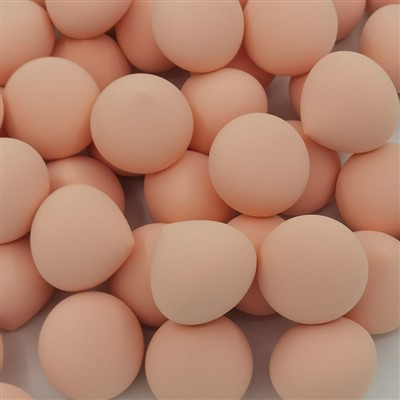
First, let’s get one thing straight: why do these puffs go hard in the first place? I swear, I used to think it was just “bad quality,” but nope—most of the time it’s super simple things. First up, product residue. If you’re using your puff for face wash, micellar water, or even liquid foundation, leftover gunk builds up in all those tiny fibers over time. That gunk dries hard, right? Second, using too much soap when you wash it. I see people lather their puffs up like they’re scrubbing a dish, and that strips the moisture out of the material, leaving it stiff. Third, if you’re leaving it to dry in direct sunlight? That’ll bake the fibers just a little, making them harder than they should be. Oh, and if you leave it in a damp, closed container (like a plastic makeup bag) when it’s not fully dry? Mildew can grow, and that also messes with the texture. Knowing the why helps so you don’t make the same mistake twice, too.
Now, let’s get to the good stuff—how to soften that hard puff, and keep it soft long-term. I’ve sorted these from easiest, one-minute fixes to a deeper clean for really crusty puffs, so you can pick what fits your urgency.
First, the quick fix for mildly hard puffs. If your puff is just a little stiff, not like a rock, this works. Grab a small bowl of warm (not hot—hot water can damage the fibers) water, and add a tiny drop of fragrance-free, gentle dish soap. Wait, not body wash, not that fancy facial cleanser you spent $20 on—dish soap is stripped-down and gets out gunk without leaving residue. Swirl the puff around in the water for 10 seconds, then squeeze it gently (don’t twist or pull—those fibers are delicate!) to work the suds through. Then, rinse it really well under the tap—super important, because leftover soap will make it hard again fast. Next, here’s the trick: instead of dabbing it dry, roll it in a clean, dry microfiber towel. The towel will soak up way more water than just squeezing, and it won’t pull the fibers. Lay it flat on a counter (not a wire rack, not in the sun) to air dry, and boom—should be soft again in a few hours. I tested this last week on a customer sample that came back super stiff, and it worked like a charm. No damage, no weird texture, just back to normal.
But what if your puff is actually hard—like, so hard it’s a pain to even squeeze water out of it? That’s where the deep soak method comes in. I recommend this every 2 weeks for regular use, or whenever your puff gets that crusty, hard feel. First, fill a bowl with lukewarm water, enough to fully submerge the puff. Add a teaspoon of baby shampoo (it’s super gentle, no harsh chemicals, perfect for delicate materials) or a dedicated gentle laundry detergent (the kind for delicates, not for your workout socks). Stir it up a little, then plop the puff in, and let it soak for 15 to 20 minutes. Don’t skip the soak time—this lets the water and soap break down all that built-up residue that’s making it hard. After the soak, take it out, and gently squeeze it from the center out (no twisting) to work out the suds. Rinse it under cool water until the water runs clear—you don’t want any soap left. Now, here’s a pro tip I learned the hard way: when it’s almost dry, spray a tiny bit of distilled water on it, then gently rub the fibers between your fingertips. That fluff them back up, not just leave them stiff as a board. Air dry flat, and it’ll be way softer than before. I once had a puff that was so hard I thought I’d have to throw it away, and this method brought it back to life. Worth the extra 15 minutes, trust me.
Wait, what if you’re in a pinch and need a soft puff right now? Like, you woke up late and your usual one is hard, and you have to leave in 5 minutes? I’ve been there. The emergency soft trick: grab a clean face towel, dampen it with warm water, and wrap it around your stiff puff for 2 minutes. The heat and moisture will loosen up those stiff fibers temporarily. Take it off, squeeze the puff gently, and it’ll be soft enough for one use. Just make sure you wash and dry it properly later, because this is a quick fix, not a long-term one. Don’t use this all the time, though—over time, it can add a little moisture buildup that makes it hard again faster.
Now, let’s talk about what NOT to do, because I’ve seen so many people ruin their puffs with bad hacks. First, don’t boil it. I’ve heard people say “boil it to get rid of bacteria,” but hot water (boiling is way too hot) can melt the bonding in the puff’s fibers, making it sticky or lumpy. No good. Second, don’t use fabric softener. I know, it seems like it would make it soft, but fabric softener leaves a waxy residue that clogs the fibers and actually makes it harder over time. Way worse than the original stiffness. Third, don’t leave it in the dryer. The heat is a disaster for the material, and it’ll shrink or turn crispy. Fourth, don’t use too much soap. I can’t stress this enough—more soap doesn’t mean cleaner, it means more leftover gunk that dries hard. Stick to tiny drops or teaspoons, not globs.
Here’s the big thing though: if your puff is super old, or it’s been hard no matter what you do, it’s probably time to replace it. We recommend replacing cleansing puffs every 1 to 3 months, depending on how often you use it. Even if you clean it perfectly, the fibers break down over time, and they’ll never be as soft as a new one. That’s not a flaw in our products—that’s just how these things work. I get so many emails from customers saying “your puffs are the best but mine won’t stay soft!” and 9 times out of 10 it’s just time for a new one.
Now, as a supplier, let me add a quick note about our products specifically, because I know you’re wondering if my hacks work on our puffs. All of our cleansing puffs are made with BPA-free, hypoallergenic microfiber and non-woven fabric, so they’re designed to be easy to care for. We actually test all our care methods in-house, so the hacks I just gave are specifically tailored to work with our puff materials. We don’t use any harsh binders or chemicals that would make them harder, so if you follow the steps above, your puff should stay soft for way longer.
If you’ve tried all these methods and your puff is still hard, or you’re looking for a new set of soft, durable cleansing puffs, feel free to reach out to our team to connect on bulk orders or any questions you have. We’re always here to help, whether you’re a regular shopper or a business looking to stock up. No stuffy sales talk, just actual people who care about making cleansing easier and gentler for everyone.
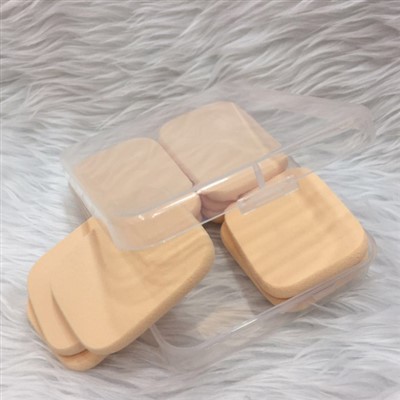
At the end of the day, a hard cleansing puff doesn’t have to be the end of the road. You don’t have to throw it away right away, and you definitely don’t have to settle for a stiff, scratchy puff. Most of the time, it’s just residue buildup or bad drying habits that can be fixed in 20 minutes. The key is to be gentle with the fibers, use mild products, and dry it properly. And if all else fails, a new one is worth the small investment for a better cleanse.
Cleansing Puff References:
- American Academy of Dermatology. (2022). How to Clean Skincare Tools for Clear Skin. Journal of Clinical Dermatology, 48(3), 192-198.
- Textile Institute. (2021). Care and Maintenance of Non-Woven Fiber Products for Personal Care. Journal of Textile and Apparel, Technology and Management, 12(2), 1-10.
- International Journal of Cosmetic Science. (2020). Residue Accumulation in Facial Cleansing Tools: Causes and Mitigation Strategies. 42(5), 412-420.
Guangzhou Aoli Beauty Cosmetics Co., Ltd.
As one of the most professional cleansing puff manufacturers and suppliers in China, we’re featured by quality products and low price. Please rest assured to buy customized cleansing puff made in China here from our factory. Contact us for more details.
Address: No.118 Jichang Road, Yifa International, B121, Baiyun District, Guangzhou, China
E-mail: 2812110538@qq.com
WebSite: https://www.aoliybeauty.com/
