Hey everyone, it’s Jake from the Feeding and Discharging Systems team – you know, the folks who’ve been keeping manufacturing lines running smooth for over a decade. Lately, I’ve been fielding way too many calls from plant managers saying the same thing: “Our feeding and discharging systems are sucking way too much power, and my utility bill’s making me sweat bullets.” Dude, I get it. We’ve all been there, staring at a monthly energy cost that’s higher than it should be, wondering where all the juice is going. The funny part? Most of these issues aren’t from brand-new, over-engineered gear – they’re from tiny, fixable stuff on even the oldest setups. Today, I’m breaking down the actual, actionable ways to cut your feeding and discharging system’s energy use without ripping out your entire line or breaking the bank. Let’s dive in. Feeding and Discharging System
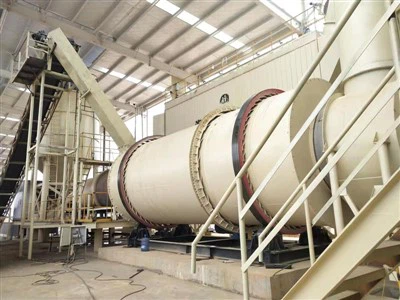
First off, let’s get one thing straight: feeding and discharging systems aren’t just “load and unload.” They’re dynamic, moving parts – conveyors, screw feeders, hoist systems, maybe even those fancy vibrating feeders that shake stuff into place – and every single one of them wastes energy if they’re not tuned right. I had a customer last quarter, a small food processing plant in the Midwest, who thought their 10-year-old screw feeder was working fine. Turns out, the flights were worn so bad it was skipping 20% of the product, meaning the motor was running at 120% load just to do half the job. That’s like driving a car with the parking brake on – all that energy going nowhere fast. So step one, and I swear it’s the most overlooked one: stop running your system at maximum capacity 24/7. Most plants set their feeders to “full speed” on day one and never touch them, even if they’re only processing half their maximum output on any given shift. It’s like cranking your thermostat to 90 in winter and leaving it there – unnecessary.
Here’s the thing about motor efficiency: feeding systems rely on electric motors for 70-80% of their energy use, right? If your motor’s the wrong size for the job, that’s a huge waste. We see this all the time – someone bought a 15HP motor because it was on sale, but their actual load only needs 5HP. That’s 10HP of wasted power every single hour. We call that “over-motoring,” and it’s the quiet energy killer no one talks about. But it’s not just size – it’s the type of motor too. A lot of older plants still use standard induction motors, but if you swap those out for high-efficiency or even premium-efficiency motors, you can cut energy use by 10-15% on average. Wait, but don’t just take our word for it – we retrofitted a part fabrication shop’s feeding system last year, swapped three over-sized induction motors for premium ones, and their electric bill dropped by $1,200 a month. That’s $14,400 a year, just from motor swaps. Crazy, right? And it’s not even that expensive – we work with shops that can do a full motor swap for a fraction of what most plant managers expect.
Next up: load optimization. I know, I know, this sounds like some fancy engineering term, but it’s super simple. Your feeding and discharging system only uses the energy it needs to move product from point A to point B, right? If you’re feeding too much material at once, the system has to work harder to move it, and if you’re feeding too little, it’s spinning in empty space. Both are wastes. So how do you fix this? We use something called “variable frequency drives” (VFDs) for almost all the systems we sell now, and if you don’t have them, you need to get them. VFDs let you adjust the motor speed based on actual load, not just a fixed setting. For example, if your screw feeder is running empty during a line changeover, the VFD can slow it down or shut it off, instead of letting it spin at full speed. We had a battery plant that was running their discharging conveyor at constant speed even when there were no pallets to unload – installing VFDs cut their conveyor energy use by 35% in three months. Another trick here: calibrate your feed rate to match your downstream process. If your packaging line only needs 500 units an hour, don’t run the feeder at 1,000 units an hour. It’s basic math, but most plants skip this because they’re worried about downtime if they slow it down too much. Small adjustments = big energy savings, no downtime.
Don’t sleep on maintenance, either. I’ve been doing this long enough to know that when a plant puts off maintenance, energy use goes up faster than product output. Let’s take conveyor belts, for example – if they’re misaligned, they have to work harder to stay on the rollers. If they’re covered in dust or debris, that adds friction, which means more energy to move the same load. Same with screw feeders: if the flights are worn, as I mentioned earlier, or if the hopper is clogged, the motor has to strain more to push product through. Last year, a grain elevator client called us panicking because their feeding system was using 25% more energy than the month before. We showed up, took a look, and the conveyor rollers were seized up – some hadn’t been replaced in 7 years. We swapped the rollers, aligned the belt, and their energy use dropped back to normal that same week. The fix? $800 in parts and an hour of labor. Way cheaper than a $5,000 monthly electric overcharge. So make maintenance a monthly (not yearly) thing: check alignment, clean out hoppers, lubricate moving parts, replace worn components before they break. It’s not just about avoiding downtime – it’s about saving energy.
Wait, what about the less obvious stuff? Like air leaks, if you use pneumatic feeding or discharging systems? A lot of plants have pneumatic feeders that leak air through old hoses or faulty valves, and that’s a massive waste. Compressed air systems can lose 20-30% of their air to leaks, and that’s all energy that’s being used for nothing. We had a pharmaceutical plant with pneumatic discharge chutes – they thought the energy use was normal until we did a quick air leak test. We found 12 small leaks in hoses and two faulty check valves. Fixing those leaks cut their compressed air energy use by 18%. That’s another $900 a month, easy. And for those using vibrating feeders – I know they’re great for handling fragile products, but if the vibration frequency is too high, that’s wasted energy. Tune the frequency to match the product and load, not just max it out. A lot of these systems have adjustable frequencies, but no one ever changes them after installation. Small tweak, big win.
Another thing: process integration. Feeding and discharging systems don’t exist in a bubble. If your upstream process is over-producing and your downstream is under-consuming, the feeding system has to store and move extra product, which means more runs, more starts and stops, more energy. We work with plant teams to sync the feeding system with the whole line – like, if your baking line starts, the feeder kicks on at 60% speed; if the packaging line goes down, the feeder stops until it’s back up. That way, you’re not running the system when no one needs product. I had a snack food client that was running their feeding conveyor non-stop during their shift, even though their packaging line only needed product for 8 hours a day. We set up a sync between the two systems, so the feeder only runs when the packaging line is ready, and their energy use dropped by 28% in two months. No new gear, no big changes – just coordinating the flow.
Now, let’s talk about common mistakes I see all the time. First, buying the cheapest system on the market, then wondering why energy bills are high. We’ve had clients who went with a no-name feeder from a overseas supplier, saved $2,000 upfront, but their energy use was 25% higher than a quality system would be. Over 5 years, that’s $30,000 in extra energy costs – way more than they saved on the initial purchase. Second, not training the operators. Operators are the ones running the system every day, and if they don’t know how to adjust speed, change settings, or spot small issues like misaligned belts, you’re leaving energy savings on the table. We do 30-minute operator training sessions with every new client, free of charge, because we’ve seen how much that helps. Last year, a tire plant told us after training their operators, they found that the shift team was running the feeder at full speed even when processing smaller tire sizes, and adjusting that cut their energy use by 10% right away.
And hey, if you already have a feeding and discharging system, it’s not too late to upgrade. You don’t have to replace everything at once – we do retrofits that add up over time. For example, if you have an old conveyor, you can add VFDs and new rollers instead of buying an entire new system. If you have a screw feeder with worn flights, instead of replacing the whole feeder, you can replace the flights for a fraction of the cost. We work with plants of all sizes, from small bakeries to big auto parts factories, and our goal isn’t to sell you a whole new system – it’s to help you save energy and money on the one you already have.
Wait, let’s get real for a second. I know a lot of plant managers are tight on budget, especially right now with energy costs being crazy. The good news is most of these energy-saving steps don’t require a huge upfront investment. Adjusting settings, doing monthly maintenance, fixing air leaks – all of that is basically free, except for a little time. Motor swaps and VFD installations might cost a bit, but the payback is usually within 6-12 months, which is way better than most other plant upgrades. We recently did a retrofitting project for a metal stamping plant, and their payback on the VFDs and motor swaps was 8 months. That’s quick cash back in their pocket.
Another point: going a little deeper with data. A lot of new feeding systems have built-in energy monitors now, right? They track how much power the system uses per hour, per run, even per load. If you’re not using that data, you’re missing out. You can see when energy use spikes, and figure out why – is it a roller that’s seized? Is the feed rate too high? Is there an air leak? We help our clients set up these monitors and review the data every quarter to tweak settings. It’s like having a report card for your energy use, and it’s way more accurate than guessing. A cardboard box plant we work with noticed their energy use went up every Wednesday, and after checking the data, they found their shift team was running the discharging conveyor at full speed even when they only had half the usual boxes to ship on Wednesdays. Adjusting that one day’s setting saved them $500 a month.
I know this is a lot, but at the end of the day, reducing energy use in feeding and discharging systems isn’t rocket science. It’s about paying attention to the little stuff: don’t run gear when you don’t need to, match your motor and speed to your actual load, keep things maintained, and sync the whole line. I’ve seen clients save thousands, even tens of thousands, a year just from these small changes, without sacrificing productivity or safety.

If you’re tired of throwing money at high energy bills for your feeding and discharging system, we can help. We don’t do one-size-fits-all solutions – we’ll come out to your plant, take a look at your setup, talk to your team, and give you specific, actionable steps to cut your energy use without breaking the bank. No sales pitches, no jargon, just real advice that works. Whether you need a quick maintenance check, a retrofit, or a full system design, we’ve got your back. Just reach out to our team to set up a time to chat. We can even do a quick energy audit on your current system for free, no strings attached. You’ve got enough on your plate – let us handle the energy stuff so you can focus on running your plant.
Air Classifiers References
- U.S. Department of Energy. (2022). Energy Efficiency Guidelines for Industrial Conveying and Material Handling Systems. Industrial Technologies Program.
- Manufacturing Extension Partnership (MEP). (2023). Reducing Energy Use in Food and Beverage Processing Equipment. National Institute of Standards and Technology.
- International Organization for Standardization (ISO). (2021). ISO 50001: Energy Management Systems – Requirements with Guidance for Use.
- Energy Star. (2022. Industrial Motor and Pump Efficiency: A Guide for Facility Managers. U.S. Environmental Protection Agency.
Jiangsu Haike Environmental Tech Co., Ltd.
As one of the most professional feeding and discharging system manufacturers and suppliers in China, we’re featured by quality products and good service. Please rest assured to wholesale customized feeding and discharging system at competitive price from our factory. Contact us for quotation.
Address: No.1, Wei’er Branch Road, Shanggang Industrial Park, Jianhu County, Yancheng City, Jiangsu Province, China
E-mail: 17388487000@163.com
WebSite: https://www.jshkhbwm.com/
