If you’ve ever stood in front of a aging distribution box on a job site or helped a customer troubleshoot a tripped circuit in an old commercial building, you’ve probably wondered the same thing: Can a distribution box actually be upgraded, or is it just better to yank the whole unit out and start over? For years, I heard that same question from electricians, facility managers, and small business owners who came to my shop looking for a fix. I’m the operations lead at a mid-sized distribution box supplier—we’ve been making and upgrading these units for 18 years, so I’ve seen almost every scenario. The short answer is yes, most distribution boxes can be upgraded, but it’s not a one-size-fits-all job that you can handle on a lunch break. It depends on your unit’s age, the local electrical code in your area, and what you’re actually trying to fix or improve. Let me walk you through what that process actually looks like, the common mistakes we see, and when it’s worth considering an upgrade vs. a full replacement. Distribution Box
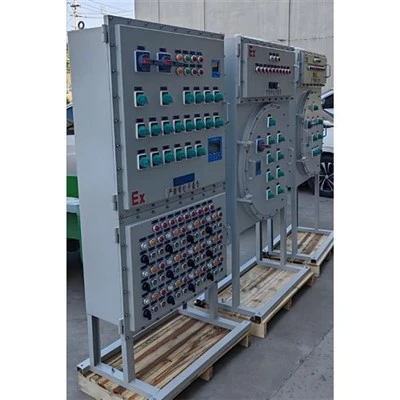
First, let’s get clear on what “upgrading a distribution box” actually means. Most people use the term interchangeably with swapping out a breaker or tightening a loose wire, but a real upgrade usually means modifying or replacing core parts of the box to make it safer, more efficient, or capable of handling more power than it was designed for. For example, if your 15-year-old residential box only has 12 circuits and you want to add a Level 2 EV charger and a whole-home solar setup, that’s an upgrade. If your 20-year-old commercial box has rusted metal components and keeps tripping circuits randomly, that’s also an upgrade. The goal is to extend the life of your existing unit without the full cost of a total replacement, which can run into thousands of dollars for commercial spaces.
When I started in this industry, I thought upgrades were just a way for suppliers like us to make extra sales. But over time, I’ve seen how much sense they make. Last year, we worked with a small grocery store in suburban Ohio that had a 1998 distribution box powering their refrigeration units, checkout counters, and walk-in freezers. The box was in good physical shape—no rust, no dents, and the main bus bar was still intact—but it only had 20 circuit slots, and they needed four more to add a new coffee bar and expand their produce section. A full replacement would have meant closing the store for two days, pulling out the entire unit, and running new wiring. We worked with their licensed electrician to upgrade the box: we installed new breakers rated for higher amperage, replaced the outdated bus bar to handle the extra load, and added modular cover plates to fit the new slots. The job only took half a day of downtime, and the store saved almost $8,000 compared to a full replacement. That’s the kind of win that makes upgrades worth talking about.
But here’s the catch: not every distribution box is eligible for an upgrade. The biggest factor is age and compliance with current national electrical codes. The National Electrical Code (NEC) updates every three years, and a lot of older boxes don’t meet modern safety standards. For example, pre-2008 residential boxes often don’t have arc-fault circuit interrupter (AFCI) or ground-fault circuit interrupter (GFCI) protection, which are now required in most living spaces and high-traffic areas. If your box is more than 25 years old, chances are its internal wiring is made of smaller gauge wire that can’t handle modern power demands, or it has ungrounded neutral buses that pose a shock risk. In those cases, even if you can swap out breakers, the core unit isn’t safe to upgrade. We see this all the time in older rental properties, where landlords try to patch old boxes instead of investing in safety. Last quarter, a property manager came to us with three 1990s residential boxes that kept causing fires in unit bathrooms. The boxes had aluminum wiring, which is prone to overheating when not properly torqued. We tried to work with their electrician to upgrade the breakers to handle copper wiring, but the box’s internal frame wasn’t rated for the current load, so a full replacement was the only option. That’s a key point to remember: an upgrade is only feasible if the box’s core structure, bus bar, and wiring are still in good condition and meet current code.
Another common reason people consider upgrading their distribution box is to improve energy efficiency. Many older boxes have wasteful components that draw extra power or cause voltage drops. For example, a box with outdated circuit breakers that have high internal resistance can waste up to 5% of the power flowing through it. When we work on efficiency upgrades, we usually recommend replacing old thermal-magnetic breakers with digital smart breakers. These breakers let you monitor power usage in real time, set circuit-specific energy limits, and even turn off circuits remotely—great for businesses that want to cut utility costs or homeowners with solar setups that need to manage peak power. A few months ago, we worked with a startup co-working space in Austin that had a 10-year-old box drawing 12% more power than it should. We upgraded all their breakers to smart units, re-torqued the bus bars, and added a power monitoring module. Their energy bill dropped by 18% in the first three months, and they were able to adjust power settings for different workspaces to avoid overloading the system. That’s a practical upgrade that’s hard to justify with a full replacement, since it’s focused on tweaking existing components rather than starting fresh.
Now, let’s talk about the process of upgrading a distribution box, because it’s not something a homeowner should do on their own. We always recommend working with a licensed electrician, and we have a team that works directly with electricians across the country to make the upgrade process as smooth as possible. First, the electrician will do an inspection: they’ll test the box’s bus bar for corrosion, check the gauge of the internal wiring, and verify that the main breaker can handle the total load the space needs. If the box passes that inspection, the next step is planning the upgrade. That includes picking the right components: breakers rated for your specific amperage, modular slots if you need more circuits, and safety features like GFCI or AFCI receptacles if required by code. For commercial jobs, we also offer pre-wired bus bars that reduce installation time, which is crucial for spaces that can’t afford long downtime. The actual upgrade usually takes between 2 and 6 hours, depending on the number of circuits and the complexity of the load. One thing we emphasize to every customer is that the upgrade must be inspected by your local electrical authority after installation—even if the work is done correctly, code compliance requires a sign-off, and skipping that step can lead to fines or issues with insurance down the line.
Of course, there are times when upgrading just doesn’t make sense. If your distribution box is more than 30 years old, has significant rust or structural damage, or fails the initial inspection, replacement is the only safe option. We also recommend replacement if you’re expanding your space by 50% or more, because even a well-upgraded old box might not handle the new load. For example, a small café that’s adding a second kitchen is probably better off with a new box rated for higher amperage, rather than trying to cram too many new circuits into an old unit. The same goes if your insurance provider has noted safety issues with your existing box—they may require a full replacement to cover claims in the future. We always tell customers to get a second opinion from a trusted electrician before deciding either way, because the cost difference between an upgrade and a replacement isn’t always as big as people think when you factor in downtime and code compliance fees.
I’ve seen a lot of myths over the years about distribution box upgrades. The biggest one is that you can just swap out the old breakers for new ones and call it an upgrade. That’s not true—swap-outs are a quick fix, but a real upgrade involves modifying core components to improve safety, capacity, or efficiency. Another myth is that all upgrades are more expensive than replacements. For residential spaces with 15-20 circuits, an upgrade usually costs between $1,500 and $3,000, while a full replacement is closer to $3,000 to $5,000. For commercial jobs, the savings are even bigger, since downtime is a major cost. A quick note: if you’re considering an upgrade, make sure any components you buy are UL-listed or meet your local electrical standards. We’ve seen cheap, unrated parts online that fail safety tests, and putting those in a distribution box is a recipe for fire or electrical damage.
At the end of the day, the decision to upgrade or replace your distribution box comes down to three things: safety, cost, and practicality. If your box is relatively new, in good shape, and you just need more circuits or better safety features, an upgrade is almost always the best choice. If it’s old, damaged, or can’t handle the load you need, replacement is the only way to stay safe and compliant. As someone who’s spent 18 years building and servicing distribution boxes, I’ll say this: I’ve seen way too many people cut corners on their electrical systems to save a few bucks, and it almost always leads to bigger problems down the line. Whether you’re a homeowner, a small business owner, or a facilities manager, don’t wait until your box starts tripping circuits or giving off a burning smell to look into upgrades. Get a professional inspection early, so you can plan for any changes before they become an emergency.

If you’re ready to talk through your distribution box upgrade needs, we’re here to help. Our team can answer questions about component compatibility, code requirements, and cost estimates, and work with your electrician to make sure the job is done right. Reach out to our sales team to start a conversation about your project today.
Control Cabinet References
- National Electrical Code (NEC) Handbook, 2023 Edition, National Fire Protection Association.
- Electrical Safety Foundation International (ESFI), “Distribution Box Safety and Upgrades”, 2022.
- U.S. Department of Energy, “Energy Efficiency Improvements for Commercial Electrical Systems”, 2021.
- International Electrotechnical Commission (IEC), “Low-Voltage Switchgear and Controlgear Assemblies”, 2019.
Guangdong Baihao Electric Co., Ltd.
As one of the most professional distribution box manufacturers and suppliers in China, we also support customized service. Please feel free to wholesale discount distribution box in stock here from our factory. Quality products and low price are available.
Address: 201, 2nd Floor, Building 3, No.1, Honggang Section, Lihe Road, Lishui Town, Nanhai District, Foshan City
E-mail: jiang_baisi@126.com
WebSite: https://www.gd-baihao888.com/
