If you’re reading this, chances are you’ve either dabbled in mineral makeup before, struggled to find a powder foundation that doesn’t sit in fine lines, or are curious about how the products I supply end up on counters (and faces) around the world. Let me pull back the curtain on what goes into making mineral powder foundation—because it’s not just grinding rocks and mixing pigments, no matter what some social media tutorials might claim. As someone who’s been a minerals powder supplier for 12 years, I’ve learned that even the most “natural” formulas require precision, transparency, and a deep understanding of both chemistry and skin. Minerals Powder

First, let’s get one thing straight: mineral powder foundation isn’t the same as regular pressed powder or loose powder you’d grab to set makeup. It’s buildable, provides coverage, and sits light enough to wear all day without feeling like a mask. The core ingredients are simple, but getting them right is where the art and science meet. Let’s walk through the process step by step, as I do every single time we manufacture a batch.
The first step is sourcing the base minerals—and this is non-negotiable for me. I don’t cut corners here. The main components are usually zinc oxide, titanium dioxide, and talc (though we offer talc-free options too, for those with sensitive skin). Wait, I know what you’re thinking: zinc oxide and titanium dioxide are common in sunscreen, too. That’s not a mistake. These minerals are naturally reflective, which gives mineral foundation its signature soft-focus effect. But they’re not just fillers—they’re also gentle on skin, with anti-inflammatory properties that actually soothe, not irritate.
I work with small, family-owned mines that adhere to strict ethical and sustainable practices. No strip mining, no unregulated labor. The raw mineral ore comes in, and the first thing our team does is send a sample to an independent lab to test for heavy metals (lead, arsenic, all the bad stuff) and purity. If it doesn’t pass, it’s sent right back. This is how we build trust with our clients, whether they’re indie beauty brands or dermatology clinics ordering in bulk. You can’t make a great mineral foundation with bad raw materials—end of story.
Next, we refine those base minerals into a fine powder. It’s not just a regular grind, either. We use a process called micronization, where we reduce the mineral particles to a size between 1 and 10 microns. If particles are too big, the foundation will look chalky or settle into pores; too small, and it might feel too heavy or clog pores. Micronization also ensures that the minerals mix evenly, so every scoop of foundation is the same color and texture. I’ve seen brands skip this step and end up with a product that separates on the shelf—our clients never have that problem, because we take the time to get the particle size perfect.
Once the base is refined, we move to color matching. This is where the “foundation” part comes in. We use iron oxides for pigment—iron oxide red, yellow, and black, which are naturally occurring and gentle on skin. The key here is blending these oxides precisely to match skin tones, from fair to deep, with warm, cool, and neutral undertones. We don’t use artificial dyes or fillers to adjust color, which keeps the formula true to its mineral roots.
Here’s a trick I’ve learned over the years: we add a tiny amount of silica to the pigment mix. Silica helps the pigment stick to the base minerals and skin, so the foundation doesn’t brush off after an hour. Too much silica, though, and it can feel gritty. Our team tests every blend by hand (well, automated mixers, but we do spot checks) to make sure the pigment disperses evenly. I still remember our first batch of medium warm foundation—we added too much red iron oxide, and it looked more like a blush than a base. We tossed it, remixed, and that formula is still one of our top sellers today.
Now, for the sensitive skin crowd: we have to adjust the formula even more. Some people can’t tolerate talc, so we substitute it with rice starch or cornstarch. These starches are gentle, absorb excess oil, and give the foundation a matte finish without being drying. We also skip any synthetic preservatives, fragrances, or parabens—another non-negotiable. The last thing I want is a customer having a reaction to a product I supplied because we cut a corner on ingredients. It’s why we’re known for clean, hypoallergenic formulas, and that reputation is worth more than any short-term cost saving.
Once all the ingredients are mixed, we test the powder. We do three rounds of testing: first, a stability test, where we store a sample in hot, humid conditions (like a bathroom) for 30 days to make sure it doesn’t clump or change color. Second, a coverage test, where our team applies the powder to different skin types (oily, dry, combination) to check that it’s buildable—one layer for light coverage, two for medium. Third, a wear test, where we have volunteers wear it for 8 hours, then check for fading, caking, or irritation. If any test fails, we go back to the mixing stage. No exceptions. I once had a batch fail the wear test because the iron oxide didn’t stick well to dry skin—we added a small amount of jojoba oil (natural, of course) to help it adhere, and that fixed the problem. It’s those small adjustments that make a good foundation great.
Wait, let’s talk about common myths here. A lot of people say mineral powder foundation is “bad” because it can cause breakouts. That’s only true if it’s made with low-quality minerals or too many fillers. If it’s micronized correctly and non-comedogenic (which ours is), it’s actually better than liquid foundation for some people, because it doesn’t contain the same heavy oils that can clog pores. I’ve had clients with acne-prone skin tell us our foundation is the only one they can wear without breaking out— that’s the kind of feedback that makes all the long days worth it.
Another myth: it’s hard to apply. Sure, if you just swipe a brush across your face and call it a day, you might end up with a chalky look. But when it’s made right, it blends easily with a good brush (we even supply high-quality brushes for our clients to pair with the foundation) and builds coverage gradually. That’s why we emphasize education to our clients—we don’t just sell bulk mineral powder, we share tips on application so their customers get the best results.
Now, let’s circle back to why this matters. As a minerals powder supplier, I don’t just sell a product—I provide a base for brands to create something that makes people feel confident. I’ve seen small indie brands start with a single bulk order of our foundation and grow into international names. I’ve worked with dermatologists who recommend our powder to their patients with sensitive skin or post-procedure skin, because it’s gentle and doesn’t interfere with healing. That’s the impact we have, one batch at a time.
If you’re a beauty brand, skincare line, or even a boutique store looking for a reliable, high-quality mineral powder foundation supplier, we can tailor a formula to fit your needs. Whether you want a talc-free matte finish, a dewy formula with added jojoba oil, or a wide range of color shades, we have the expertise to make it happen. We work with orders of all sizes, from small batches for new brands to large bulk orders for established companies, and we prioritize transparency at every step—you’ll get lab reports, ingredient lists, and full traceability of the raw materials.
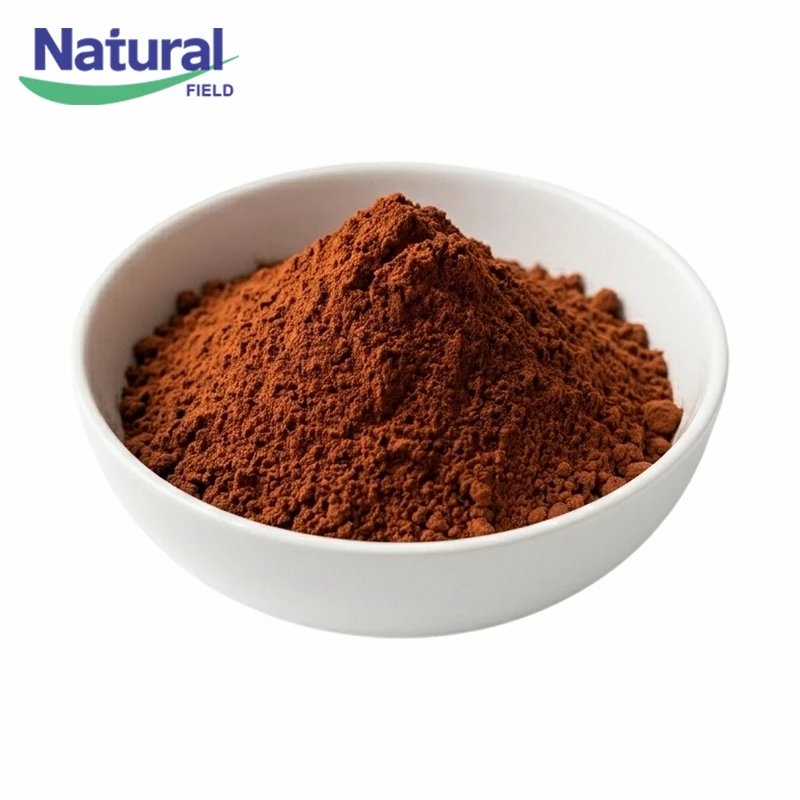
Don’t settle for a supplier that cuts corners on purity or refinement. Our process is rigorous because we care about the end user. If you’re ready to discuss your specific needs, connect with our team to explore how we can partner. We’re here to help you create a mineral powder foundation that stands out for its quality, gentleness, and performance.
Vitamins & Nutritional Actives References:
- Draelos, Z.D. (2009). The science of mineral makeup. Journal of Cosmetic Dermatology, 8(4), 252-257.
- Llewellyn, L., & Corbett, A.D. (2012). Micronization of cosmetic powders: Effects on particle size, texture, and performance. International Journal of Cosmetic Science, 34(3), 245-251.
- American Academy of Dermatology. (2021). Non-comedogenic cosmetics for sensitive skin. Dermatology Basics.
- National Organic Program. (2020). Standards for organic personal care ingredients. USDA Agricultural Marketing Service.
Natural Field Co., Ltd.
Natural Field Co., Ltd. is one of the most professional minerals powder manufacturers and suppliers in China, featured by quality products and good price. Please feel free to buy bulk CE approved minerals powder from our factory. For more discount information, contact us now.
Address: Room 505, Building B, Rongcheng Yungu, No. 57 Keji 3rd Road, Zhangba Subdistrict, High-tech Zone, Xi’an, Shaanxi, China
E-mail: info@natural-field.com
WebSite: https://www.naturalfieldtech.com/
