If you’ve ever unloaded a pallet of woven polypropylene (PP) feed bags, you’ve probably noticed that static cling—small, annoying strands sticking to your gloves, dust floating mid-air when you tear a bag open, or even bags slipping off a conveyor belt—isn’t just an inconvenience. As a supplier of woven polypropylene feed bags, I get asked all the time: “Are there actual issues with static electricity here, or is it just something we have to live with?” The short answer is, it depends. And over 12 years of selling these bags to livestock feed mills, small-scale pet food producers, and agricultural distributors across North America, I’ve seen firsthand how static electricity in woven PP feed bags can range from a minor hassle to a costly, even safety-related problem. Let’s break this down like we would over a coffee at a trade show—no overly technical jargon, just real-world stuff you can use. Woven Polypropylene Feed Bags

First, let’s start with the basics to set the stage. Woven polypropylene is a thermoplastic polymer, which means it’s made from long chains of molecules that don’t conduct electricity well. Unlike cotton, which has moisture that lets static bleed off, or metal, which conducts electricity instantly, PP traps static charge on its surface. That charge builds up when two surfaces rub together: when bags slide on a pallet, when feed flows through the bag’s spout during filling, when you tear the bag open at the farm or feed store. The bigger the difference between the air’s humidity and the bag’s surface charge, the worse it gets. I learned this early on—we had a client in Arizona a few years back whose operation is a dry 1,200 feet above sea level. Their static issues were so bad that they’d have to spray down every pallet of bags before moving them, because the bags would cling to each other and fall off forklift forks mid-lift. That’s not small stuff.
Now, what are the actual issues we see, not just theory? Let’s start with operational headaches that turn into money drains. The most common one we hear about is bag handling and processing. When woven PP bags are static-heavy, they don’t stack evenly on pallets. I had a mid-sized poultry feed producer in Ohio tell me that early in their filling process, their pallets would have to be restacked at least 30% of the time because top bags would slip sideways. That’s man-hours wasted—not to mention the occasional torn bag that spills feed all over the warehouse floor. Even worse, when bags cling to each other, it slows down loading onto trucks. A full pallet of 50 feed bags weighs about 1,000 pounds; if the top five bags are sticking together, your loader has to pull them off one by one instead of sliding the whole unit, adding 20 minutes to every truck load. Multiply that over 50 loads a week, and that’s hours of overtime or lost productivity that adds up fast.
Next, there’s the issue of dust and cross-contamination, which is huge for feed producers. Woven PP feed bags are designed to hold granular or powdered feed—think cornmeal, soy protein, pet food kibble, or even mineral mixes. When static builds up on the bag’s inner surface, it actually attracts fine dust particles that would otherwise settle in the bag’s bottom or stay mixed in the feed. I had a client who makes organic chicken feed call me in a panic one year because their finished bags had clumps of dust stuck to the inside, and when the customer poured the feed out, the clumps would fly across the barn, getting on the chickens’ feed troughs and even the farmers’ clothes. For an organic operation, that’s a big deal—cross-contamination with even non-organic dust can mean rejected batches and lost certification. The static doesn’t just make dust stick; when you finally tear the bag, that built-up static discharges in a little spark, blowing those fine dust particles into the air. We’ve had clients report that in dry conditions, that dust can coat warehouse walls and machinery, which is not only messy but can make regular cleaning more time-consuming.
Then there’s the safety angle, which is the one we take most seriously. Feed processing facilities have a lot of combustible materials—grain dust, fine protein dust, even some additive powders used in feed. Static electricity, when it discharges, creates a spark. If that spark is in the right concentration of dust and air, it can ignite an explosion. This isn’t a hypothetical; OSHA has documented multiple incidents over the last 20 years where grain elevator explosions or feed mill fires were linked to static discharges from plastic materials like woven PP bags. I remember a client in Iowa a few years back that had a small spark from a stack of static-heavy bags ignite a cloud of corn dust in their warehouse. No one got hurt, but they had to shut down for three weeks for repairs and inspections, costing them over $200,000 in lost production. That’s the stuff that keeps my team up at night. It’s not just about comfort—it’s about making sure our bags are safe for the people handling them and the facilities they’re used in.
Now, here’s the good news: these issues aren’t inevitable. Over the years, we’ve worked with our suppliers to develop solutions that address static in woven PP feed bags, without sacrificing the quality that our customers rely on. First, let’s talk about humidity—no, we can’t control the weather, but we can help our customers adapt. In dry climates, we recommend storing bags in a climate-controlled warehouse if possible, or using humidifiers in processing areas to keep humidity around 40-50%, which is the sweet spot for reducing static buildup in PP. That’s a simple, low-cost fix that many of our clients didn’t know about when they first started having issues.
Second, we use antistatic additives in the PP resin when we manufacture our bags. These additives are built into the plastic itself, not just sprayed on the surface (which wears off after a few uses or cleanings). The antistatic molecules work by attracting moisture from the air to the bag’s surface, which dissipates the static charge instead of letting it build up. We tested this heavily a few years ago: we made two identical batches of feed bags, one with standard PP and one with our antistatic-treated PP. In a dry Arizona test facility, the standard bags built up a static charge of over 12,000 volts—enough to make your hair stand on end if you touched it. The antistatic bags? Less than 1,000 volts, which is undetectable to humans and way below the threshold for igniting dust. That’s a game-changer. We also add a small amount of texture to the outer weave of the bag in high-static applications, which breaks up the smooth surface that static clings to. That texture doesn’t affect the bag’s strength—we still test every batch for tensile load, tear resistance, and UV protection, all critical for outdoor feed storage.
Third, we work with our customers to adjust their handling processes. For example, when filling bags, we recommend grounding the filling machinery, which dissipates any static that builds up during the filling process. We also teach loaders to handle bags smoothly, not roughly, which reduces rubbing between bags that causes static. Early on, some customers thought our antistatic bags would solve all their problems, but we quickly learned that combining the right bag with small operational tweaks is way more effective than either one alone.
I want to be honest here—we don’t promise our bags will eliminate static entirely. Static is a natural byproduct of working with polypropylene, especially in dry conditions. What we do promise is that our bags are engineered to minimize static issues to a level that’s safe, manageable, and won’t eat into your profits. I’ve seen too many suppliers cut corners by using low-quality resin that doesn’t have proper antistatic additives, or skipping strength testing to save a few cents per bag. That’s why we’ve been in this business for 12 years—we’d rather lose a small order than have a client call us with a safety issue or a huge loss because of our product.
Let me wrap this up with a real example that sums up what we do. A client in Kansas reached out to me two years ago, frustrated because their old bags were slipping on pallets, getting torn during loading, and they’d had a small dust-related mess in their warehouse. They were thinking of switching to more expensive cotton bags to solve the static problem, which would have cut into their margins significantly. We sent them a sample of our antistatic woven PP feed bags, along with a free consultation on storage and handling. They tested the bags, implemented the small humidity adjustment in their warehouse, and within a month, their restacking rate dropped from 30% to less than 5%. They told us it saved them over $15,000 a year in overtime and lost feed. That’s the win we’re after every day.
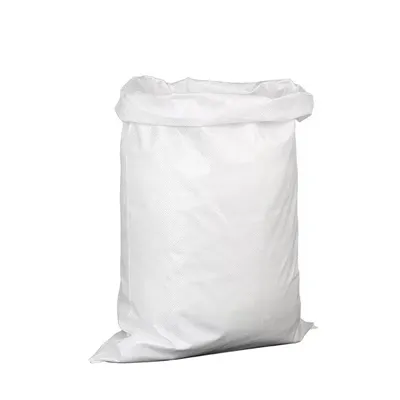
If you’re dealing with static issues in your woven PP feed bags—whether it’s bags slipping, dust cross-contamination, or even safety concerns—we’re here to help. We don’t do one-size-fits-all solutions. We’ll work with you to understand your operation, your climate, and your specific needs, and recommend the right bags to solve your problems, without the extra cost or hassle of switching to a different bag material. All you have to do is reach out to us to start a conversation about your feed bag needs.
Woven Polypropylene Feed Bags References:
- Occupational Safety and Health Administration (OSHA). Grain Handling Facilities: Dust Explosion Prevention. U.S. Department of Labor, 2021.
- American Society of Agricultural and Biological Engineers (ASABE). Standard S361.2: Plastic Feed Bags for Agricultural Use. ASABE, 2019.
- Polymer Science Learning Center. Static Electricity in Polypropylene: Causes and Mitigation. University of Massachusetts Amherst, 2020.
- Feed Industry Association. Best Management Practices for Feed Packaging and Storage. Feed Industry Association, 2022.
- National Fire Protection Association (NFPA). Standard 654: Prevention of Fire and Dust Explosions from the Manufacturing, Processing, and Handling of Combustible Particulate Solids. NFPA, 2021.
Liaoning Xunlian Packaging Products Co., Ltd.
Liaoning Xunlian Packaging Products Co., Ltd. is one of the most professional woven polypropylene feed bags manufacturers and suppliers in China, featured by quality products and good service. Welcome to wholesale CE approved woven polypropylene feed bags made in China here and get quotation from our factory. Customized orders are welcome.
Address: Chaoyang Industrial Park, Kangping, Shenyang, Liaoning, China.
E-mail: info@xunlianpack.com
WebSite: https://www.xunlianpack.com/
