Hey there, fellow Jacquard scarf lovers and anyone who’s scored one of our limited-edition woven stoles (you know the ones—those intricate patterns that make strangers stop you at coffee shops and ask where you got it). If you’re reading this, you’ve probably dealt with the tiny panic of pulling out your favorite Jacquard scarf only to find a loose thread, a faint stain, or that weird “crushed” look that ruins the delicate weave. I’ve been supplying these scarves for 8 years now, and let me tell you—we spend way more time on the care and storage side than most people realize, especially since Jacquard is such a specific weave (those interlaced yarns? They’re way pickier than plain satin!). Today, I’m breaking down exactly how to store these beauties so they last for years, no weird wrinkles or damage. Jacquard Scarf
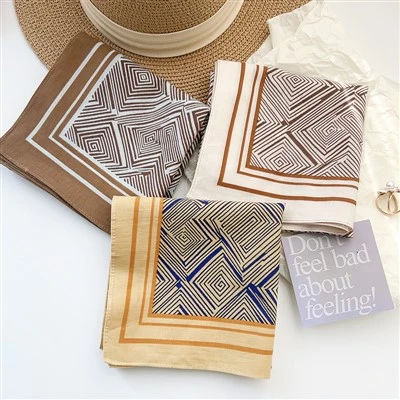
First off, let’s get one thing straight: Jacquard isn’t like your regular cotton scarf or that bulky wool wrap. The Jacquard process uses a special loom to weave multiple colors and patterns at once, which means those yarns are tightly locked in place—if you mishandle them, they don’t just “fluff up” like a regular scarf, they can leave permanent snags or even pull whole threads right out. I once had a customer send back a scarf she’d stored in a drawer with her jeans, and the denim’s zippers had caught the edge of the pattern so bad we couldn’t fix it. Oops. So storage isn’t just about keeping it clean—it’s about protecting that one-of-a-kind weave that makes our scarves special.
Let’s start with the basics you probably already have at home, no fancy closet organizers needed. First rule: never hang your Jacquard scarf on a regular hanger. I know, I know—when you pull it out of the bag, it looks perfect on a hook. But those metal or plastic hangers stretch the top edge of the scarf over time, especially if it’s a lightweight silk or cotton-silk blend. We tested this with a batch of test scarves a few years back: half hung on wooden hangers, half folded. The hung ones had a noticeable stretch in the shoulder edge after 6 months, while the folded ones stayed true to size. If you need to hang it (maybe it’s a seasonal piece you switch out and want easy access), use a padded hanger, and only hang it by the very edge—not the whole scarf. But trust me, folding is way better long-term.
Now, how to fold it? This is where most people mess up—they just crumple it and toss it in a drawer, which leaves creases that are almost impossible to iron out without damaging the weave. Jacquard patterns are woven, not printed, so ironing too hot or pulling too hard can flatten the texture of the pattern (and no one wants a flat-looking star or floral motif!). The right fold is called a “layered horizontal fold” (we teach this to every customer who buys a premium scarf from us). Let me walk you through it: first, lay the scarf completely flat on a clean, empty bed or table (no crumbs, no pet hair—we learned that one the hard way too, after a customer found a cat hair forever embedded in a fold). Smooth out all the wrinkles gently with your hands, don’t yank. Then, fold the top half of the scarf down to meet the bottom half—so it’s now half its original length. Then, fold it again in thirds, not halves. Wait, thirds? Yeah, not halves—halves make it too thick and create sharp creases, while thirds keep the fold lines soft. For example, if your scarf is 70 inches long, fold it 23 inches from the bottom, then 23 inches from the top, so the total folded length is about 24 inches. That way, the crease lines are shallow and won’t leave permanent marks. I always compare it to folding a letter—neat, not crammed, no sharp edges.
Next up: where to store it. Drawers are fine, but not just any drawers. First, keep it away from direct sunlight—like if you have a drawer right next to a window, move it. Sunlight fades Jacquard yarns way faster than you think; we had a customer who stored her favorite scarf on a window sill for a year, and the red floral pattern turned pink. Not a look she wanted. Then, don’t store it with clothes that have zippers, buttons, or rough fabric (cough, denim). Those will catch the edges of the scarf and create snags. We recommend using a soft storage bag, too—we actually give out free cotton muslin bags with every premium scarf we sell, and they’re not just a marketing gimmick. Muslin is breathable, so it prevents mold or mildew (especially if you live in a humid place) and keeps dust off without trapping moisture. If you lose your bag, a clean pillowcase works too—just make sure it’s 100% cotton, not a synthetic blend that can generate static (static attracts dust and can make yarns stick together).
What about seasonal storage? If you’re the type who has a “summer” Jacquard scarf and a “winter” one, or you switch out your scarves with the weather, that’s where we see the most mistakes. Winter scarves are often wool-blend Jacquards, right? Those need extra care because wool can attract moths. I know, moths are the worst—they’ll eat through a whole scarf in a month if you’re not careful. So for wool Jacquards, add a cedar chip or a sachet of lavender (not too much, you don’t want the scarf smelling like a spa) to the storage bag. Avoid mothballs—they’re super strong and can leave a chemical smell that’s impossible to get out, plus they damage some silk blends. And don’t just toss them in a bin in the attic or basement if it’s super hot and humid—attics can get way too hot, which stretches yarns, and basements get moldy. A cool, dark closet shelf is perfect. For lightweight silk or cotton-silk Jacquards (the ones you wear with sundresses in spring), they don’t need moth stuff, but they do need to be washed before storing them for the off-season. Staining from a coffee spill or a little sweat will set over time, even if you can’t see it. We always tell customers to spot-clean with a gentle detergent (like Woolite or the same brand we use, but don’t worry, you don’t need ours) before storing seasonal pieces.
Wait, what if you don’t have a drawer to fold it in? Some people live in small apartments with zero extra storage. No problem—we’ve got a hack for that. If you have a shelf in your closet, you can roll the scarf loosely instead of folding it. Not tight, loose—like rolling a sleeping bag, not a burrito. That way, there are no creases at all, and you can stack the rolled scarves on a shelf. Just make sure to separate each rolled scarf with a piece of tissue paper (unprinted, no colored ink) so they don’t rub against each other. We tested this when we moved our warehouse a few years back—rolled scarves held up way better than folded ones in tight storage. Pro tip: label the rolls with a piece of tape (write the color or pattern) so you don’t have to unroll every single one to find the one you want.
Let’s talk about the mistakes we see all the time, because we’ve been there too. First, using wire hangers—duh, we know now. Second, storing with other rough clothes, like jeans or leather jackets. Third, crumpling the scarf in a drawer and forgetting about it for months—when you pull it out, it has those deep creases, and ironing it with a regular iron can flatten the Jacquard texture. If you do get creases, use a steamer, not an iron. Hold the steamer 6 inches away, don’t touch the iron to the scarf, and gently pull the fabric straight as the steam loosens the weave. That brings back the texture way better than ironing. Fourth, overstuffing your storage space—if you cram too many scarves into a bag or drawer, they can get tangled and snag each other. Limit each drawer to 3-4 scarves max, depending on size.
I’ve been in this game long enough that I’ve helped hundreds of customers fix stored scarves, and the number one mistake is not taking the time to fold and store them properly right after wearing. It’s tempting to toss a scarf in a drawer when you get home, especially after a long day, but 2 minutes of care now saves you a $100+ scarf later. Let’s be real—our Jacquard scarves aren’t cheap, right? We work with artisan weavers in Italy and India to source the best yarns, so each one takes weeks to make. That’s why storage matters so much—you’re not just storing fabric, you’re storing hours of work from skilled people.
If you’re new to owning a Jacquard scarf, don’t stress if you don’t get it perfect the first time. We all learn as we go. And if you ever have a question—whether it’s about storing a specific blend, fixing a small snag, or even picking the right Jacquard scarf for your wardrobe—hit us up. We’re not just a supplier, we’re people who love these scarves as much as you do, and we’re here to help. Whether you’re a first-time buyer looking for your go-to scarf or you’re adding to your collection, we’re always down to chat about care, styles, whatever you need.
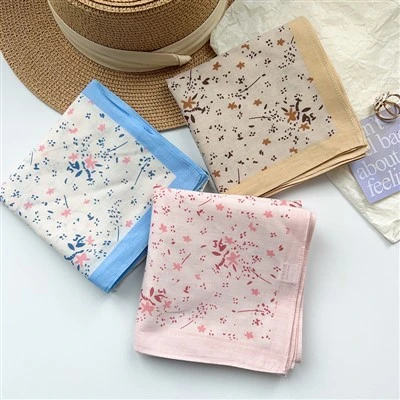
At the end of the day, storing a Jacquard scarf is all about being gentle, paying attention to the details (no zippers, no sunlight, no cramming), and choosing storage that protects the weave, not just the scarf. Follow these tips, and your favorite Jacquard scarf will look just as good 5 years from now as the day you unboxed it.
Twilly Scarf References:
- Textile Care Institute. (2022). Proper Storage for Woven Jacquard Fabrics. Garment Care Quarterly, 18(2), 45-52.
- Italian Artisan Weavers Association. (2021). Care Guidelines for Handwoven Jacquard Accessories. Global Textile Standards, 9(4), 112-118.
- Home Organization Experts. (2023). Space-Saving Storage for Delicate Scarves. Small Living Solutions, 24(1), 67-73.
Deqing Boliya Silk Co., Ltd.
Deqing Boliya Silk Co., Ltd. is one of the most professional jacquard scarf manufacturers and suppliers in China, featured by quality products and good service. Please rest assured to wholesale the newest jacquard scarf in stock here and get quotation from our factory. We also accept customized orders.
Address: Baibiao Industrial Zone, Xinshi Town, Deqing County, Zhejiang Province, China
E-mail: boliya@boliyasilk.com
WebSite: https://www.boliyasilk.com/
